


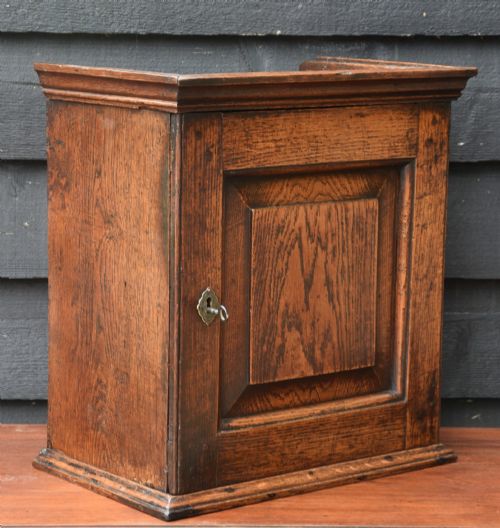
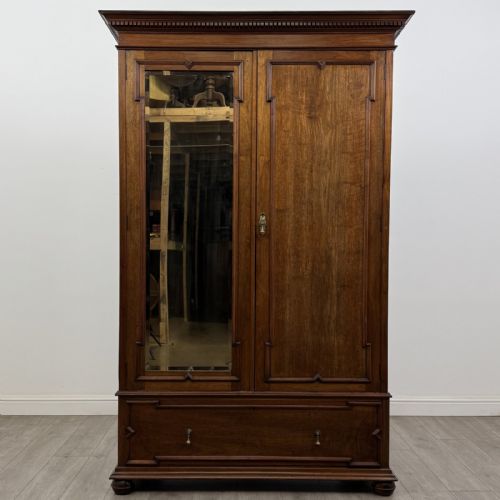
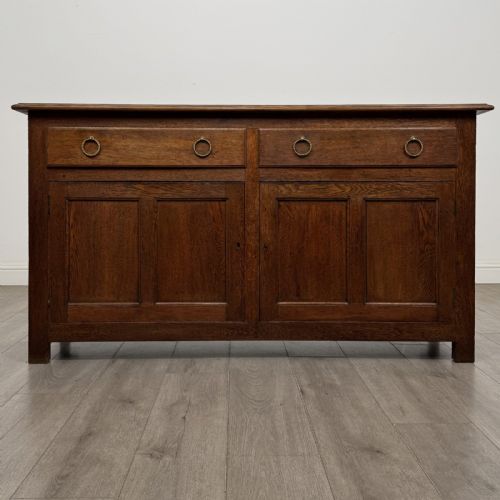
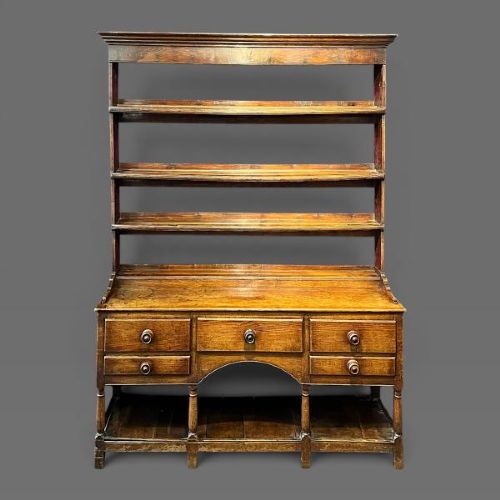
Early Wooden Cupboard
An early wooden cupboard brings honest timber and utility into a room, spanning centuries of craft from rustic pine to polished mahogany.
Early Wooden Cupboard
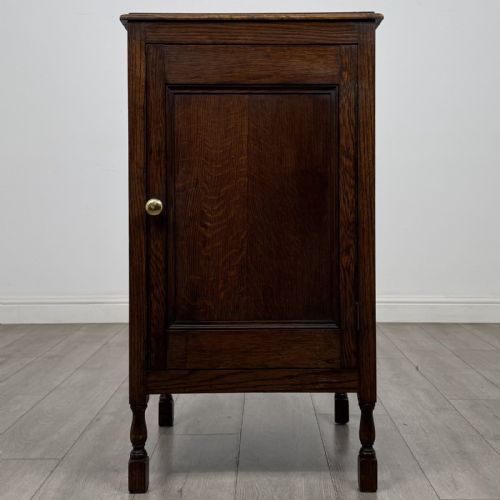
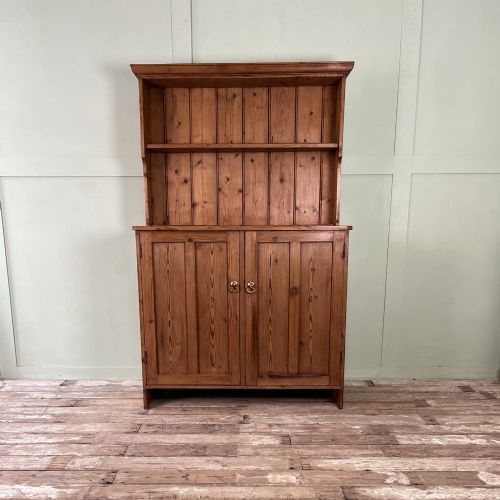
An early wooden cupboard satisfies the search for practical storage built from solid timber across past centuries. Buyers find functional pieces ranging from compact spice cupboards to substantial dressers and bookcases.
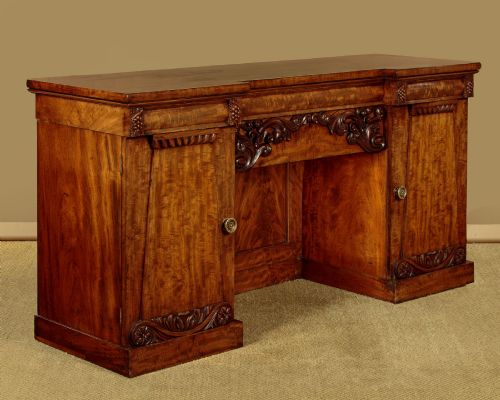
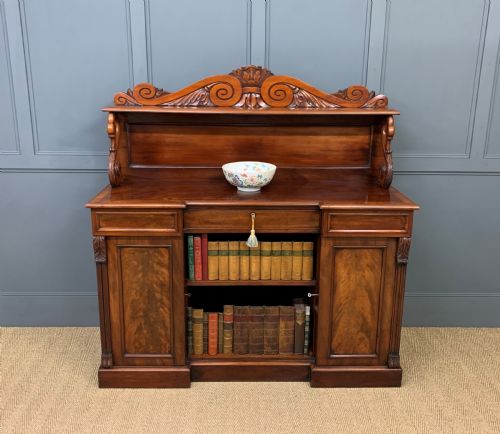
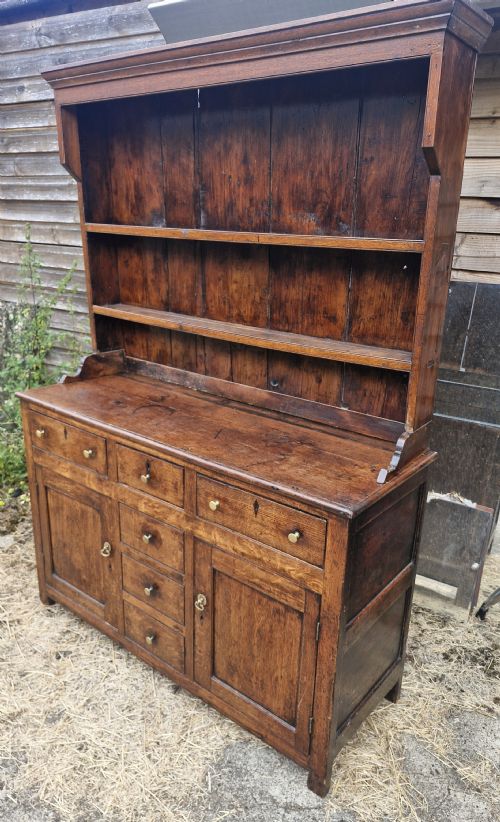
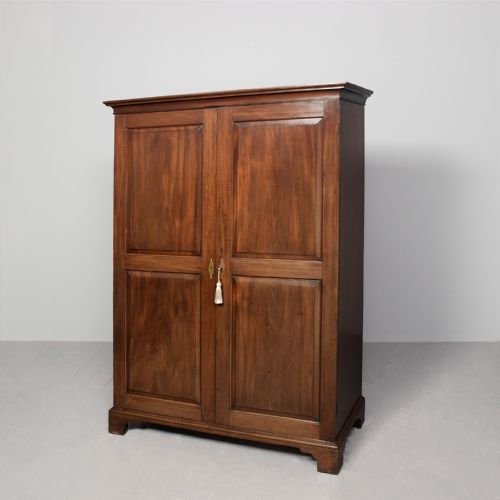
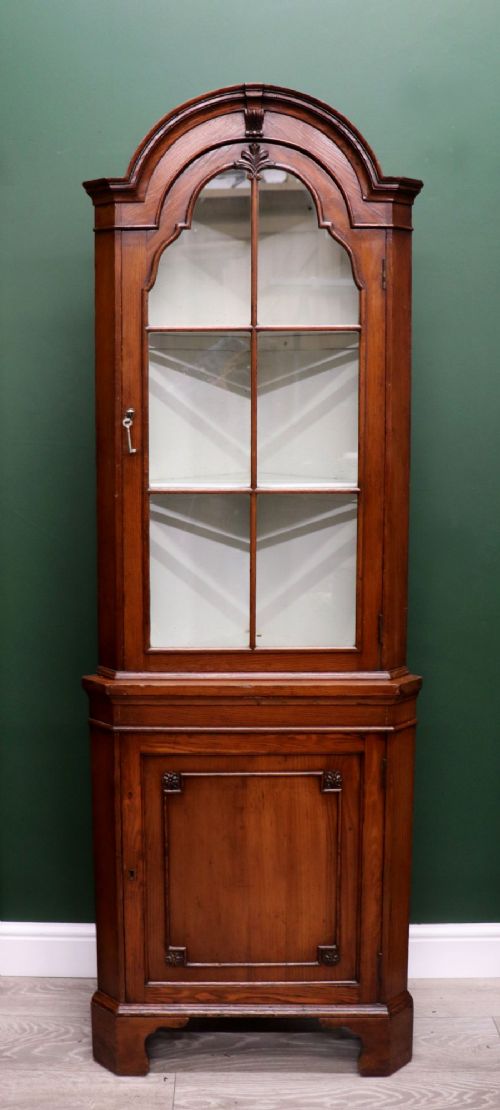
The selection centres heavily on eighteenth and nineteenth-century examples alongside early twentieth-century interpretations. Oak, pine, and mahogany dominate the offerings, appearing in forms such as corner cabinets, chiffoniers, and linen presses.
Origin varies from English country houses to Scandinavian folk art traditions. Pieces reflect specific regional needs, utilising local woods like walnut and fruitwoods alongside imported flame mahogany veneer.
How they were made
Joinery relies on traditional methods such as mortise and tenon joints, dovetailing, and sturdy pegging to hold solid timber frames together. Cabinetmakers selected woods like oak for robust utility and mahogany for finer reception rooms.
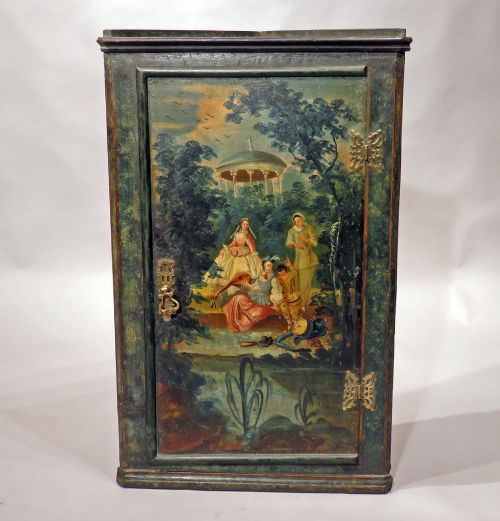
Surface finishes include hand painting, applied folk art decoration, marquetry, and clear wax polish that lets the grain speak. Brass and iron hardware, from hinges to escutcheons, secures doors and drawers.
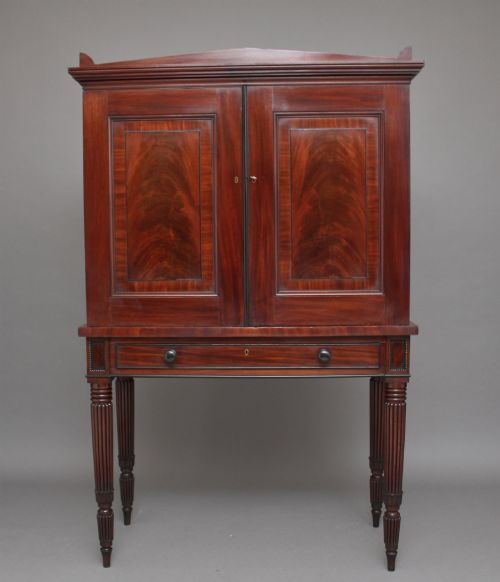
Veneering techniques applied thin slices of flame mahogany or walnut over secondary woods to create dramatic grain patterns on larger surfaces like chiffoniers and presses.
Early Wooden Cupboard Retail Price Guide 2026
Typical asking prices for early wooden cupboard among the pieces listed under this phrase on Sellingantiques today, from the lower quarter to the upper quarter. They describe what is for sale here now, not the wider market.
Listings span oak, pine, mahogany, walnut, and flame mahogany veneer across eighteenth, nineteenth, and early twentieth-century periods.
What varies in quality
The choice of primary timber and the selection of veneer set the visual standard for each piece. Fine grain patterns in flame mahogany or carefully figured oak distinguish superior examples from plain utility items.
Structural integrity depends on the precision of the joinery and the survival of original backs, panels, and hardware. Superior execution shows in the crispness of carved details, inlay work, and hand-painted folk art.
Pietro Ferrario·Heals
The Early Wooden Cupboard Glossary
- Chiffonier
- A low sideboard or cabinet with shelves or drawers, popular during the nineteenth century. It often includes enclosed storage below a raised superstructure.
- Spice cupboard
- A small wall-hanging or table-top cabinet with a panelled door enclosing multiple tiny drawers. These were traditionally used in seventeenth and eighteenth-century kitchens for valuable spices.
- Flame mahogany veneer
- Thin sheets of mahogany sliced from the point where a branch joins the trunk. This produces a fiery, undulating grain pattern prized in cabinetmaking.
- Welsh dresser
- A large kitchen or dining room furniture piece combining open plate racks above with cupboards and drawers below. Oak is the traditional timber for these regional pieces.
- Escutcheon
- A flat plate of brass or iron surrounding a keyhole. It protects the surrounding wood from wear and often adds decorative detail.
Early Wooden Cupboard: Frequently Asked Questions
Where were spice cupboards kept?
Spice cupboards were typically hung on kitchen walls or placed on tabletops within easy reach of the hearth. Their internal drawers kept expensive seasonings secure from dampness and pests.
Over time, many migrated to parlours or halls as decorative objects once spices became common household goods.
How do I care for antique pine?
Antique pine responds best to natural beeswax applied sparingly with a soft cloth and buffed gently. Avoid placing pine pieces near direct heat sources or strong sunlight, which dries out the timber.
Regular dusting prevents grime accumulation while preserving the patina built up over centuries of use.
What is a linen press?
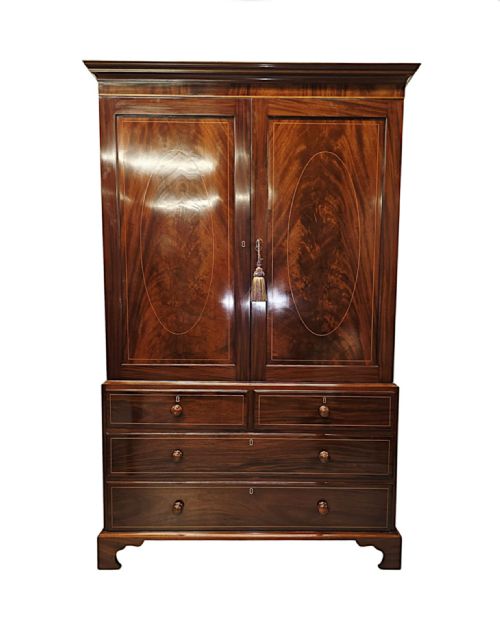
A linen press is a tall cabinet featuring upper doors enclosing sliding trays for folded textiles, paired with drawers below. They were essential for storing household linens flat before modern closets became standard.
Georgian and Victorian examples often utilise high-grade mahogany with panelled doors to anchor bedroom storage.
How do corner cabinets fit?
Corner cabinets make efficient use of unused ninety-degree junctions in dining rooms, halls, or studies. Floor-standing models anchor a room, while hanging versions mount securely to wall studs.
Their triangular footprint provides generous shelving depth without protruding far into walking space.