



Early Victorian Miniature Portrait
An early victorian miniature portrait captures intimate likenesses on small scales, offering collectors a direct glimpse into nineteenth-century personal history.
Early Victorian Miniature Portrait
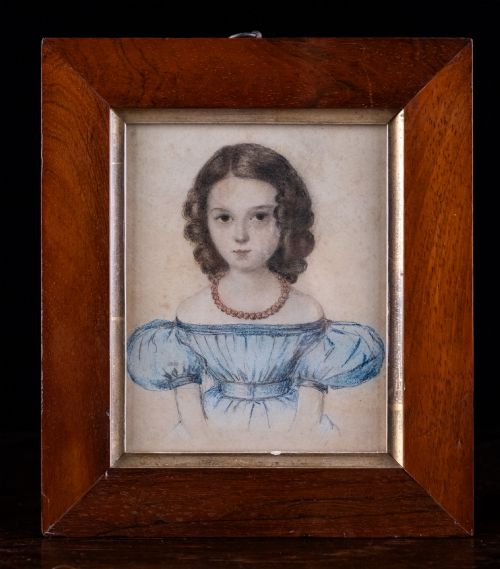
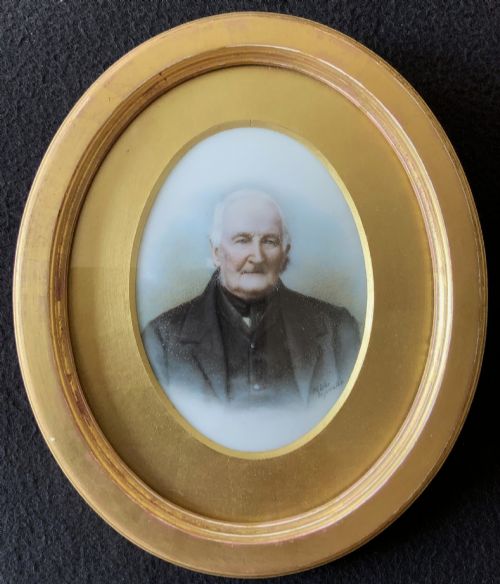
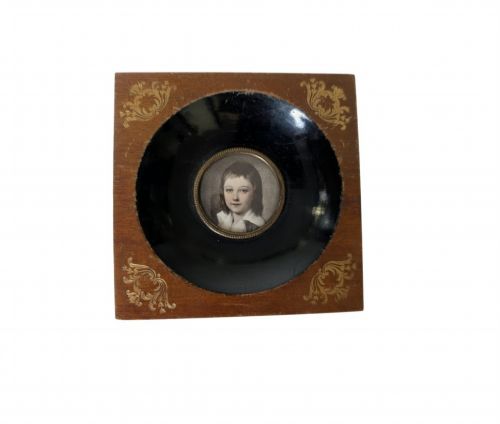
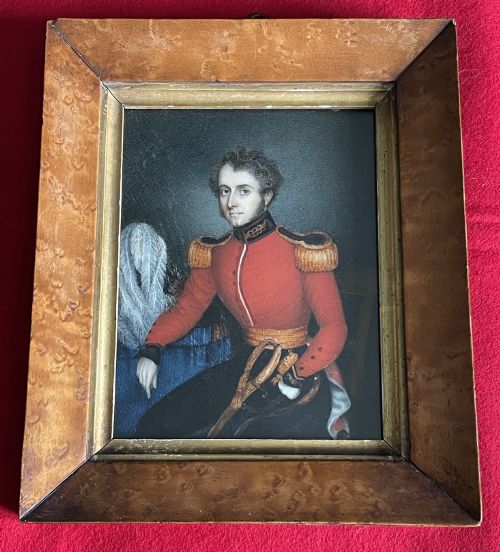
An early victorian miniature portrait presents small-scale likenesses, often depicting individuals from the nineteenth century in delicate detail. These works capture specific subjects, ranging from military officers and children to ladies and gentlemen, rendered with remarkable precision.
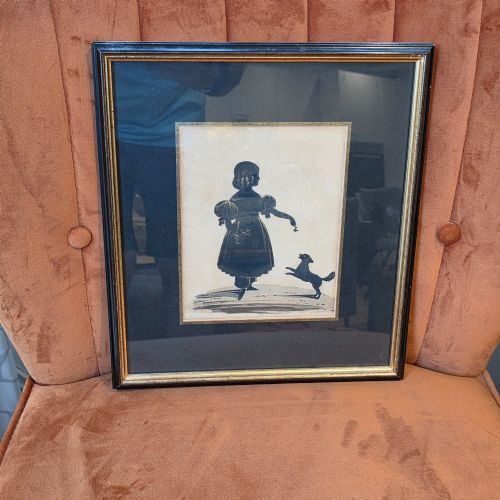
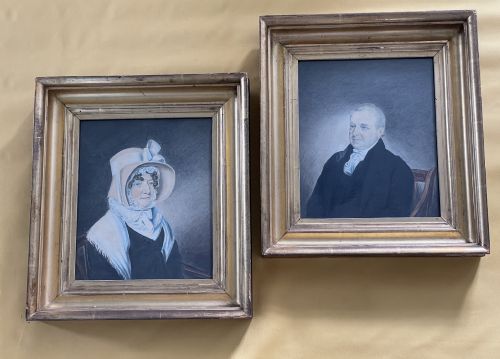
The pieces appearing on this page encompass various formats, including watercolour paintings on paper or glass, cut paper silhouettes, and framed works. Examples include profile portraits of young ladies, depictions of named sitters like John MacKenzie or Charles Phillips, and pairs housed in period frames.
Makers and artists working in this tradition include William James Hubard, J Bizo, Skeolan, and circles associated with figures such as William Egley. These portraits frequently utilise materials characteristic of the period, such as ebonised wood, maple, and giltwood frames.
Materials and Techniques
Artists painted these miniature portraits primarily using watercolour applied to paper, card, or glass, capturing fine facial expressions and clothing details on a diminutive scale. Some works employ cut paper combined with watercolour, creating stark, elegant silhouettes like those produced by Hubard and Skeolan.
Makers housed these delicate artworks in distinctive period surrounds, utilising ebonised wood, maple, rosewood, brass, and gold leaf. The combination of protective glass and sturdy wooden framing ensured the survival of these fragile watercolours and silhouettes over the centuries.
Early Victorian Miniature Portrait Retail Price Guide 2026
Typical asking prices for early victorian miniature portrait among the pieces listed under this phrase on Sellingantiques today, from the lower quarter to the upper quarter. They describe what is for sale here now, not the wider market.
The inventory records profile portraits of children, ladies, and military officers, alongside signed works and named sitters from the Georgian and Victorian eras.
Assessing Quality and Execution
The preservation of the original materials significantly influences the standing of a piece, particularly the condition of the watercolour pigments and the integrity of the period frame. Signed works or those attributed to known practitioners command greater attention due to documented provenance and superior draughtsmanship.
William James Hubard·J Bizo·William Egley·Skeolan
The Early Victorian Miniature Portrait Glossary
- Miniature painting
- A small-scale portrait executed with fine detail, usually on paper, card, ivory, or glass. These portable artworks were often commissioned to commemorate family members or loved ones.
- Silhouette
- A portrait represented as a solid shape of a single colour, usually black, matching the outline of the subject's profile. They were created by cutting paper or painting directly onto a background.
- Ebonised wood
- Timber treated to resemble ebony, frequently used for nineteenth-century picture frames. This dark finish provided a high-contrast border that highlighted the delicate tones of the miniature within.
- Watercolour
- A paint consisting of pigment suspended in a water-based solution, favoured for its translucent qualities. It served as the primary medium for miniature portraits during the nineteenth century.
Early Victorian Miniature Portrait: Frequently Asked Questions
What is an early victorian miniature portrait?
An early victorian miniature portrait is a small-scale painting or silhouette created during the nineteenth century, depicting individuals with intimate detail. These artworks served as personal keepsakes and tokens of remembrance.
Subjects ranged from named gentlemen and military officers to children and ladies, often preserved in original frames made of ebonised wood, rosewood, or maple.
How were these miniature portraits displayed?
Makers housed these portraits in specialised frames designed to protect the delicate watercolour or cut paper surfaces. Many featured glass covers and dark wooden surrounds to enhance the visual focus on the sitter.
Owners typically hung them on parlour walls in groups or placed them on surfaces as personal mementos of family members and associates.
What materials were used in these frames?
Frames for these portraits commonly incorporate ebonised wood, maple, rosewood, brass, and gold leaf. These materials reflect the prevalent interior aesthetics of the nineteenth century and provide structural protection for the artwork.
Original frames often remain paired with their portraits, offering clues to the period and origin of the piece.