








Early Twentieth Century Sign
An early twentieth century sign carries industrial history into a modern room, bringing bold lettering and honest utility straight from the street or shop floor.
Early Twentieth Century Sign
When you search for an early twentieth century sign, you are looking at practical commercial artefacts that survived from trading floors, railway platforms and high street shops. The single recorded example in the archive is an enormous advertising piece produced for a well-known ink maker, showing how businesses communicated their names to the public through durable metal and painted finishes.
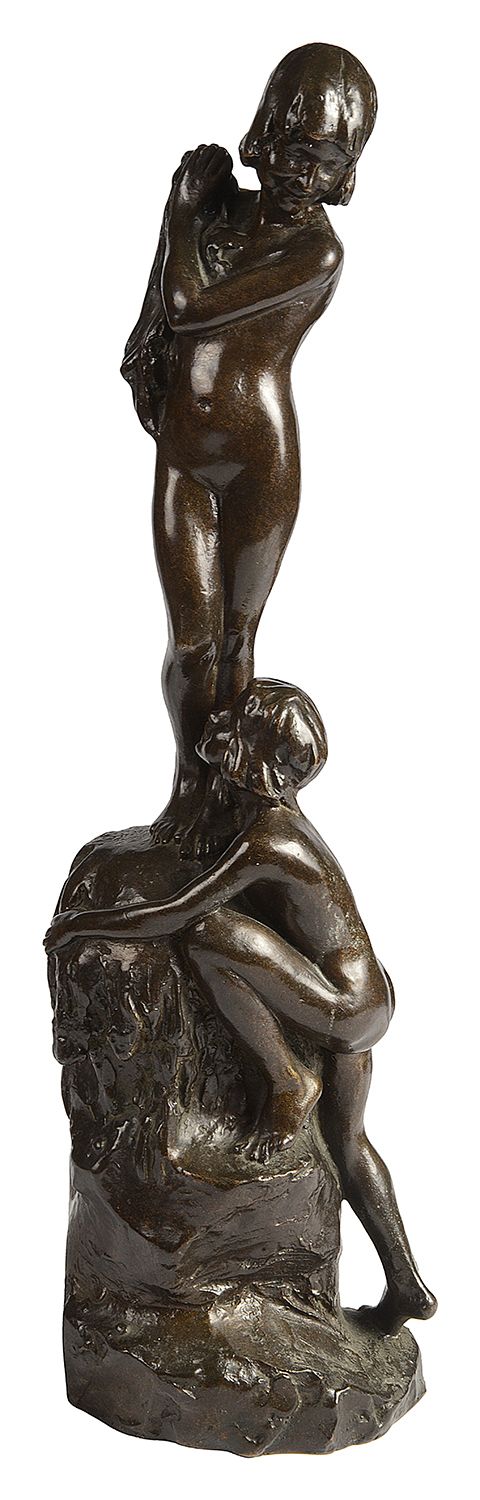
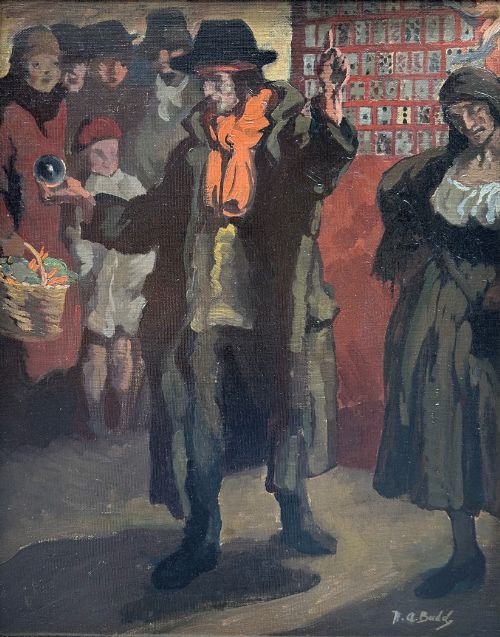
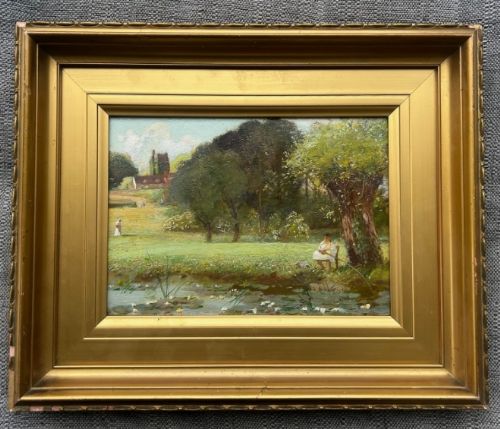
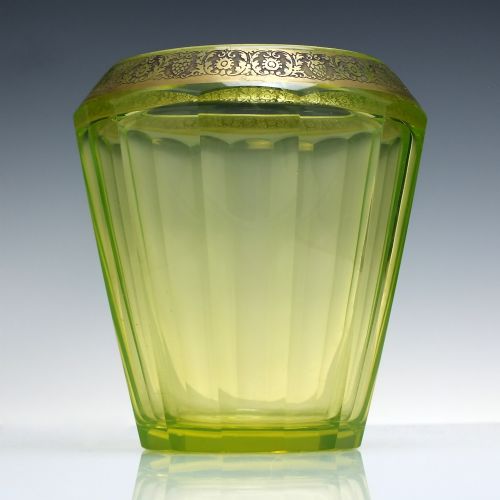
While the current listings on this page draw heavily from fine art, sculpture and decorative glass rather than surviving metal advertising boards, the underlying principle remains the same. These pieces reflect a period when commercial identity and everyday visual culture were rendered by hand through traditional manufacturing methods.
Materials and construction
Commercial signage and related functional items from this era relied on robust substrates such as heavy iron or treated wood to withstand the elements. Lettering and imagery were applied using durable enamel, signwriting paints or embossed techniques designed to last decades outdoors.
Makers utilised traditional signwriting brushes, stencils and kiln-fired enamelling processes to ensure vibrant colours remained legible under harsh conditions. The resulting surfaces often show minor wear, which comes directly from decades of exposure to working environments.
Even giant ink thermometers needed to keep track of the weather while quietly convincing passers-by to buy writing supplies.
Assessing quality
Quality in commercial signage rests on the clarity of the lettering, the complexity of the design and the proportion of original surface finish that remains intact. Pieces with crisp typography and bold, uncluttered graphics typically represent the better end of manufacturing from the period.
The degree of original patination also dictates the appeal of a piece, where factory touch-ups or later repainting detract from the historical integrity. A strong survivor retains its authentic weather-worn character without losing the legibility of its original commercial message.
Loetz Witwe·Moser Vaseline Glass·Stephen's Ink
The Early Twentieth Century Sign Glossary
- Enamel
- A durable glassy coating fused to metal at high temperatures to protect the surface and provide vivid colour. It was widely used on outdoor advertising boards because it resists fading and corrosion.
- Signwriting
- The traditional craft of painting letters and designs by hand without the aid of modern digital printing. Skilled practitioners used specialised long-haired brushes to achieve clean, consistent lines.
- Patina
- The natural surface change, wear and mellowing that occurs over decades of handling and exposure. On a commercial board, this indicates genuine age rather than artificial distress.
- Embossing
- A technique where metal or paper is raised into relief to create a three-dimensional effect. This method added depth and tactile presence to early brand messaging.
Early Twentieth Century Sign: Frequently Asked Questions
How were early advertising signs displayed?
These boards were typically mounted directly onto exterior shop fronts, gable ends or interior railway station walls to catch the eye of passing pedestrians and commuters. They needed sturdy mounting brackets to support their heavy metal frames against wind and weather.
Many survived precisely because they were bolted securely to permanent structures, remaining in place long after the original shops closed down.
How do I clean an old metal sign?
Dust the surface gently with a soft, dry cloth to remove loose debris without disturbing fragile painted or enamelled areas. Avoid harsh chemical cleaners, abrasive pads or soaking, which can strip away the original finish and underlying protective patina.
If stubborn grime remains, use a mild soap solution on a damp cloth, testing a small hidden corner first before proceeding across the whole piece.
Are these signs weatherproof today?
While originally designed to withstand decades outdoors, surviving examples have aged and often developed vulnerable spots where rust or paint flaking can accelerate. Hanging them inside a home or sheltered porch protects them from modern pollution and persistent moisture.
Exposing fragile vintage enamel or painted iron to continuous rain outdoors will risk further deterioration of the original material.
How can I tell the age of a sign?
Dating relies heavily on the typography style, corporate logos, spelling conventions and the specific manufacturing materials used in the construction. Comparing the font style and branding against historical trade catalogues provides the most reliable guide to the decade of production.
The weight and type of metal substrate also offer clues, as manufacturing standards shifted significantly between the Edwardian era and the interwar years.