




Early Twentieth Century Oil
Early twentieth century oil paintings capture the changing light and daily life of the era through expressive brushwork.
Early Twentieth Century Oil
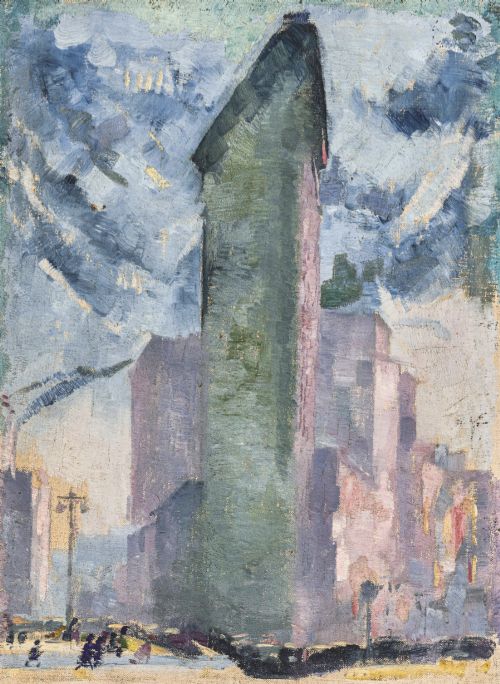
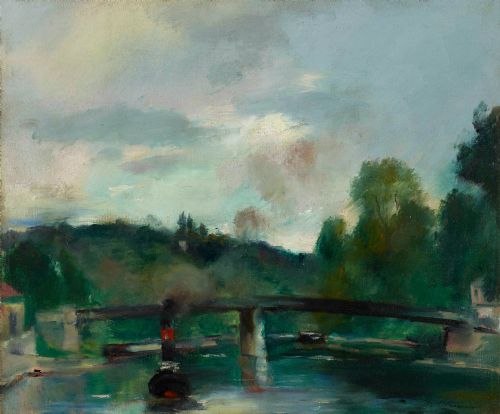
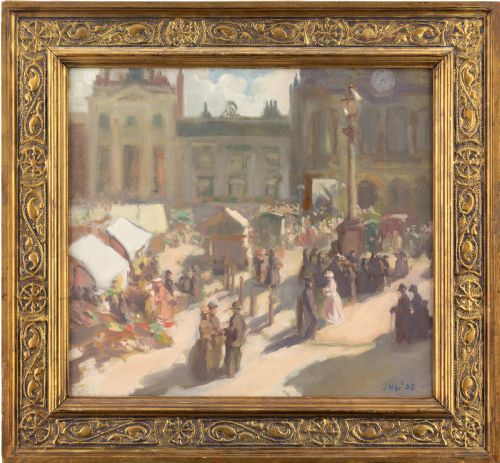
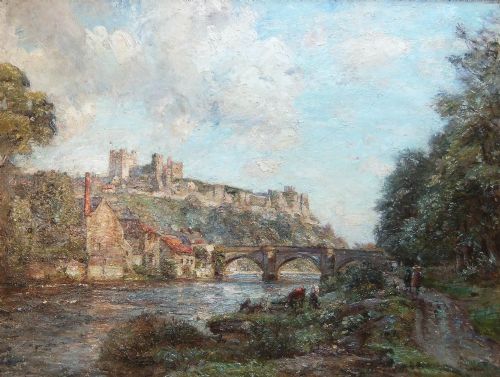
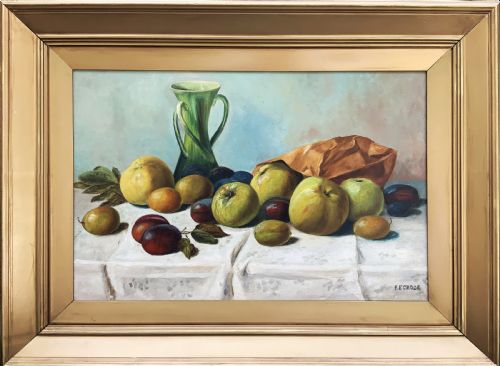
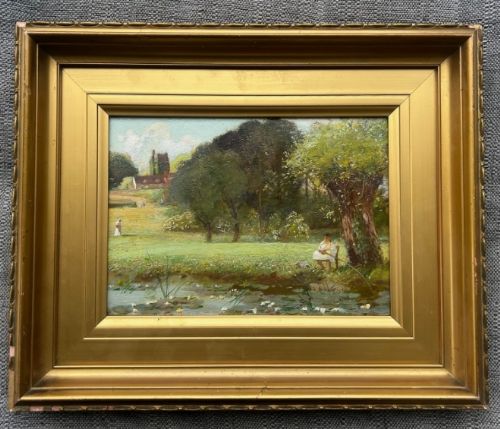
Early twentieth century oil paintings encompass landscapes, portraits, genre scenes, and coastal views created during the Edwardian period and the decades immediately following. These works reflect stylistic shifts from traditional academic realism toward impressionism and post-impressionism.
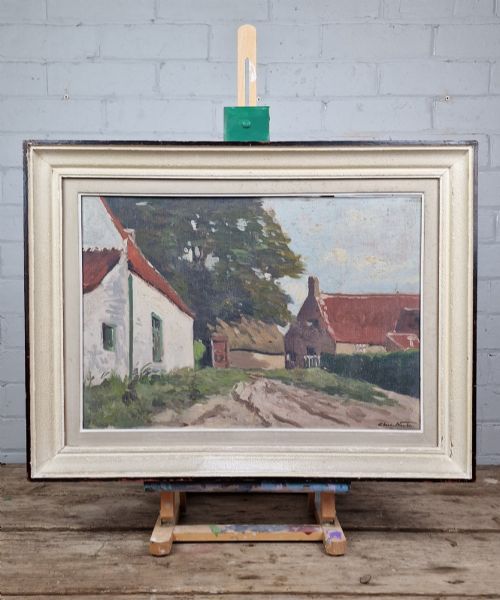
Buyers browsing this selection frequently encounter framed landscapes depicting rural British and French scenery, alongside characterful portraits and townscapes. Canvas and wood panel serve as the principal supports for these historical pigments.
Materials and Techniques
Artists of this period applied oil paint primarily to prepared canvas or wood boards, utilising heavy brush strokes and varied impasto to build texture. Giltwood frames frequently complement the works, preserving the visual presentation of the period.
The combination of traditional oil mediums and ground supports allowed painters to capture atmospheric effects outdoors or refine detailed portraits within the studio.
Recorded styles span British Impressionism, Post-Impressionism, Art Nouveau, and early twentieth-century realism.
Assessing Quality and Execution
Quality in these oil paintings rests upon the confidence of the brushwork, the handling of light, and the compositional balance achieved by the artist. Strong examples demonstrate deliberate tonal control and a distinct personal style rather than purely mechanical reproduction.
The preservation of the original paint surface and the condition of the supporting canvas or wood panel also influence the overall standard of the surviving work.
Charles Houben·Herbert Ashwin Budd·Alfred Wolmark·Henri Ottmann·John Hodgson Lobley·Herbert Royle·Antoine Calbet·Sir David Murray·Friedrich von Kaulbach·Jules Rambo·William Grant Murray·Florence Hess·Paul Schier·Andrew Young·William Lambert Bell·Richard Geiger·Owen Bowen·Ernest Higgins Rigg·William Savage Cooper·Nora Munro Summers·A. Michaelis·Fred Stead·Augustus William Enness·John A.A. Berrie
The Early Twentieth Century Oil Glossary
- Impressionism
- A style of painting that emphasises loose brushwork and the accurate depiction of changing light. This approach gained wide traction among European and British artists during the late nineteenth and early twentieth centuries.
- Impasto
- The process of laying down paint thickly on a canvas so that it stands out from the surface. Artists utilised this technique to create tactile depth within landscapes and still lifes.
- Giltwood
- Timber carved and coated with gold leaf or a gold-coloured finish to form decorative picture frames. Many period paintings retain their original giltwood surrounds.
- Provenance
- The documented history of ownership surrounding a work of art. Clear provenance helps verify the authenticity and background of a listed painting.
Early Twentieth Century Oil: Frequently Asked Questions
How do I care for an oil painting?
Keep the artwork away from direct sunlight and dramatic fluctuations in temperature or humidity to protect the canvas and paint layers. Dust the surface gently with a soft, dry brush without applying cleaning liquids.
Ensure the painting hangs securely away from direct heat sources such as radiators to prevent the wood panel or canvas from warping over time.
Are these paintings supplied with frames?
Many listings include period frames, such as giltwood surrounds, which complement the age and style of the artwork. Frame styles vary depending on the original presentation chosen by the artist or early owner.
Review the individual description and photographs to confirm whether a specific frame accompanies the painting.
What subjects are common in these works?
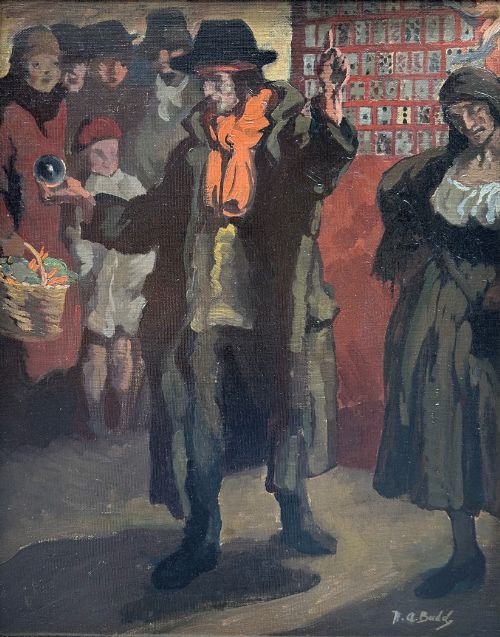
Landscape scenes depicting rural valleys, coastal harbours, and townscapes appear frequently among these listings. Portraiture and genre scenes illustrating everyday figures also form a significant portion of the available selection.
Artists during this era frequently recorded local topography and pastoral views across Britain and continental Europe.
How can I identify the date of a painting?
Signatures, exhibition labels, and dated inscriptions on the reverse of the canvas or wood panel often provide direct evidence of creation. Stylistic markers such as impressionistic brushwork or Edwardian costume also assist in dating the piece.
Reference materials and documented biographies of listed artists help narrow down the active working period.