

Early Sketch
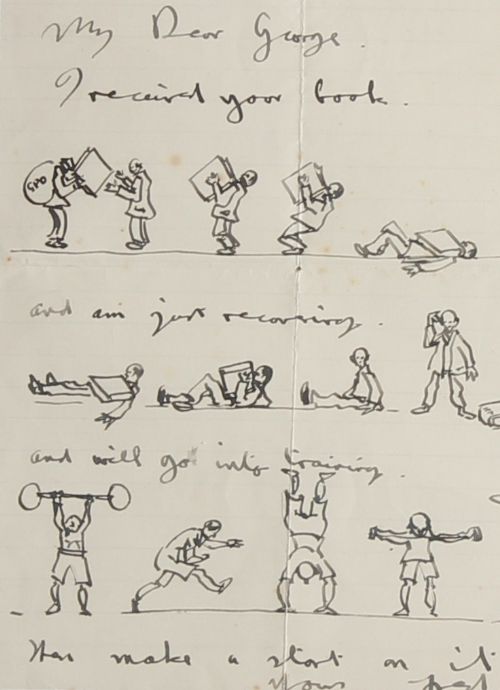
When you search for an early sketch, you encounter original works on paper capturing initial thoughts in pencil, ink, or charcoal across centuries.
Early Sketch
An early sketch represents the foundational stages of artistic composition, capturing a direct and unvarnished moment from the hand of the artist. When searching for an early sketch, you find works executed on paper spanning from the eighteenth century through the twentieth century.
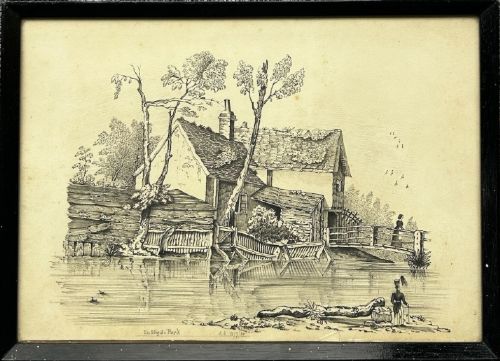
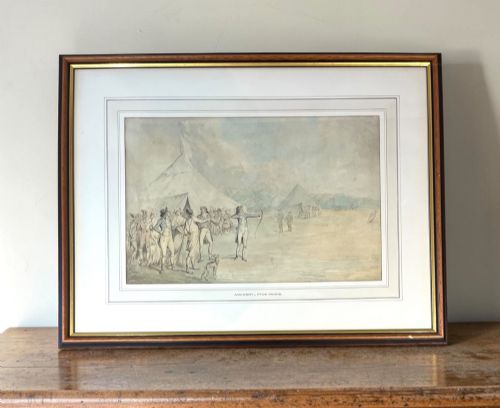
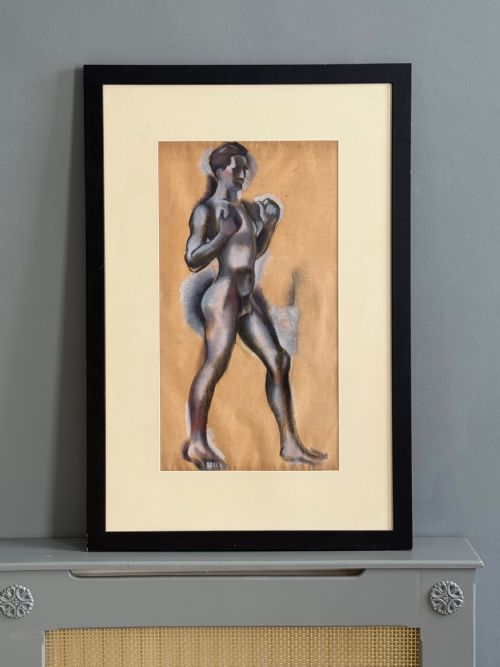
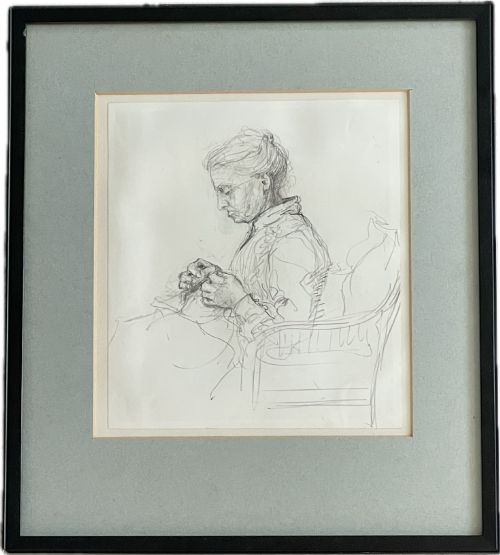
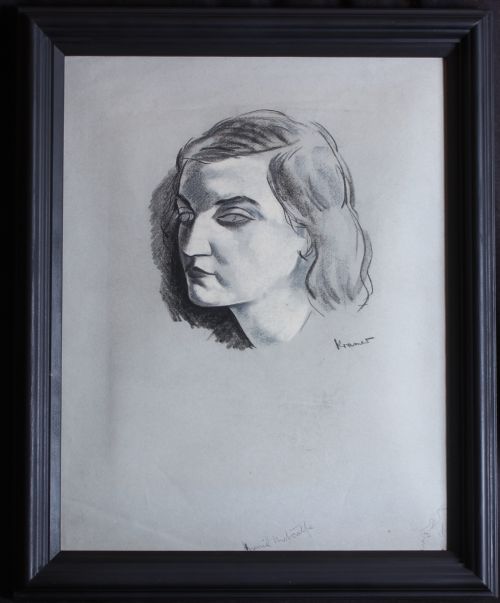
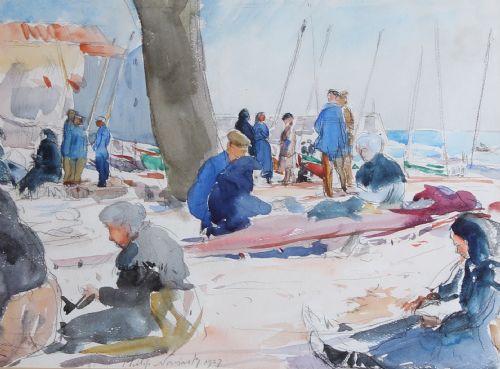
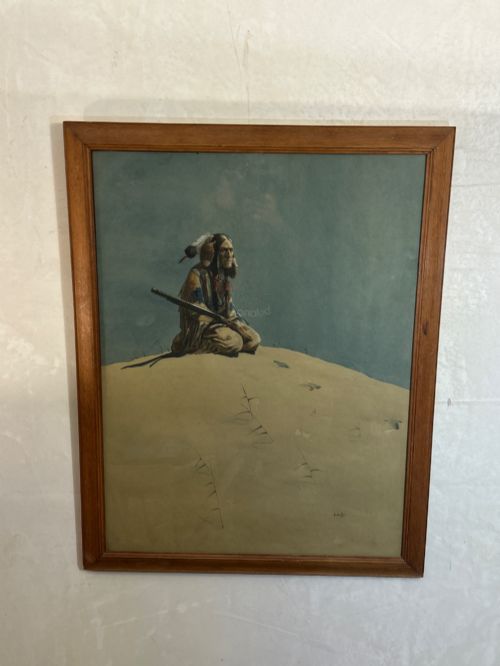
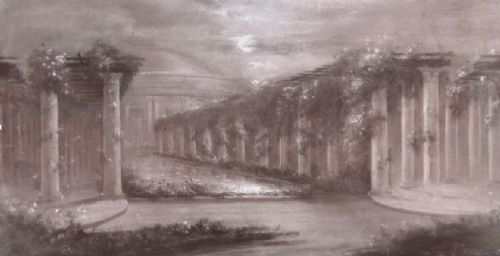
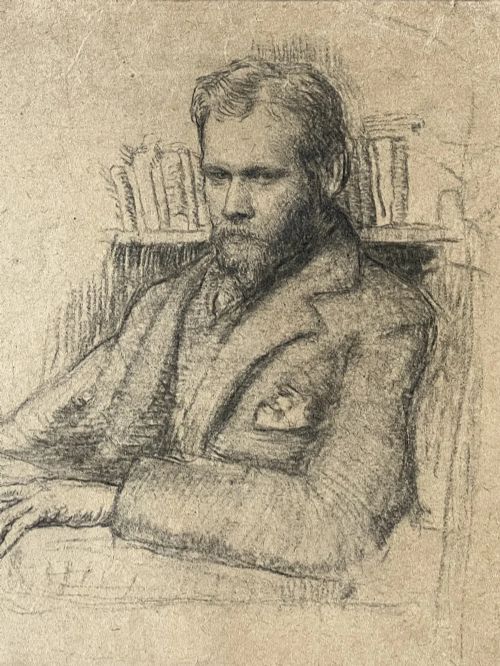
The selections available here range from rapid landscape watercolours and architectural studies to detailed portrait drawings in pencil and charcoal. These pieces often serve as preparatory works for larger paintings or stand alone as intimate records of observation.
Materials and Techniques
Artists utilise simple, direct mediums such as graphite pencil, charcoal, and ink on paper surfaces to set down their immediate impressions. Many of these works incorporate washes of watercolour or pastel to build tone and colour swiftly.
Support materials vary from standard artist papers to sheets attached to canvas stretchers, reflecting the practical methods employed in studios and during field excursions.
Early Sketch Retail Price Guide 2026
Typical asking prices for early sketch among the pieces listed under this phrase on Sellingantiques today, from the lower quarter to the upper quarter. They describe what is for sale here now, not the wider market.
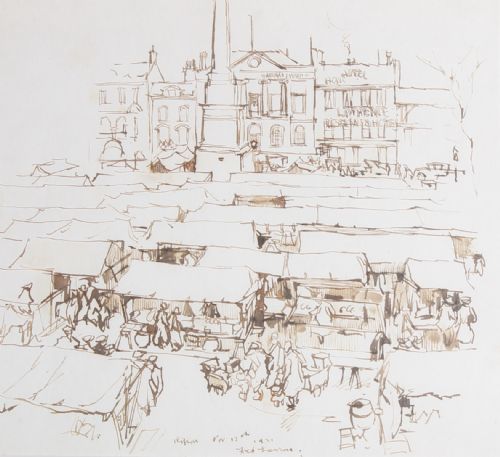
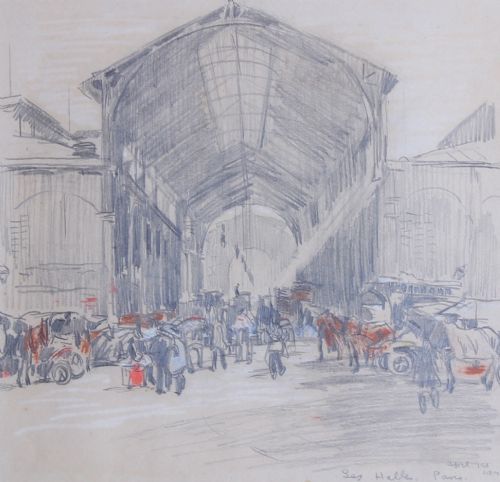
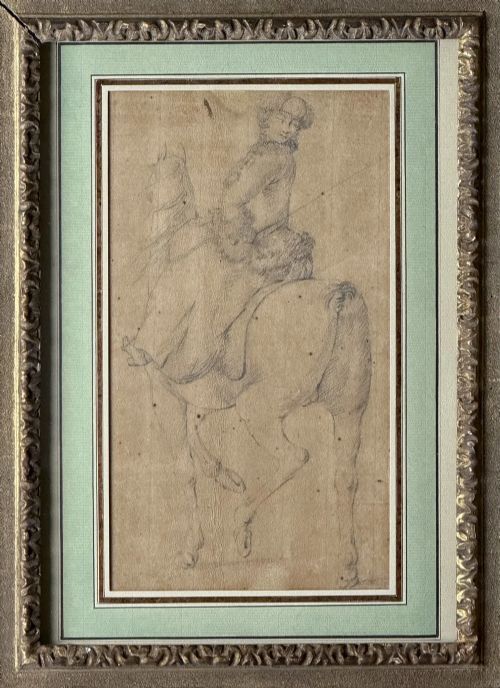
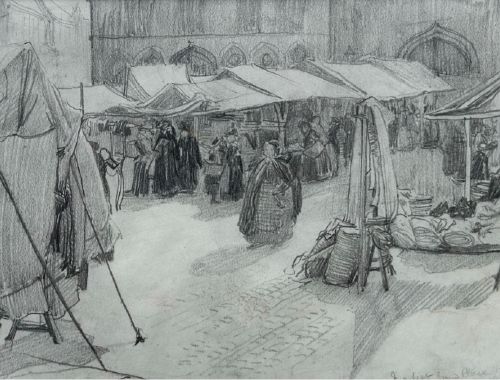
Several drawings preserve the hurried hand of artists recording local street scenes, bustling city squares, and resting horses on quiet afternoons.
Assessing Quality
The distinction between ordinary and exceptional works rests on the confidence and economy of the line. Superior examples demonstrate a secure command of proportion and atmosphere achieved with minimal strokes.
Provenance and association with known artistic circles elevate certain pieces, whilst the expressiveness of the draughtsmanship remains the primary measure of a successful sketch.
Philip Naviasky·Jacob Kramer·Fred Lawson·John Hassall·Augustus John·Alfred Wolmark·Herbert Johnson Harvey·Demetrios Galanis·J D Fergusson·Winifred Eugene Ballard·Sir Francis Leggatt Chantrey·Johan Noah Bemmel·Maurice Asselin·Reginald G. Eves·Dame Laura Knight
The Early Sketch Glossary
- Graphite
- A form of carbon used in pencils to create marks ranging from hard grey lines to deep black tones. It forms the basis of most traditional sketching.
- Wash
- A thin, transparent layer of diluted watercolour or ink applied to paper to create smooth areas of tone or colour. It often supports foundational pencil lines.
- Charcoal
- A dry drawing material made from burnt organic matter, producing rich, velvety black lines that smudge easily for shading. Artists employ it for vigorous life studies and atmospheric scenes.
- Post-Impressionism
- An art movement following Impressionism where artists extended the style while rejecting its limitations, often using vivid colours and distinct brushwork. It heavily influences twentieth-century works on paper.
- Draughtsmanship
- The skill or technique of drawing, particularly regarding accuracy of line and perspective. High levels of skill are evident in finished preparatory studies.
Early Sketch: Frequently Asked Questions
What defines an early sketch?
An early sketch is an original preparatory drawing or direct observation executed on paper using media such as pencil, ink, or charcoal. These works record the initial ideas of an artist before the creation of a finished painting.
Such pieces date across multiple centuries, offering insight into historical artistic techniques and domestic or landscape subjects.
How should I frame a delicate work on paper?
Works on paper require conservation-grade mounting to ensure the sheet does not touch the glass directly. Using acid-free mats protects the delicate media from deterioration over time.
Keeping drawings away from direct sunlight prevents fading in both ink and watercolour components.
Are these drawings preparatory studies or finished works?
Many items function as direct preparatory studies for larger oil paintings or murals, capturing rapid poses and compositions. Others are complete artistic statements intended to stand alone as original works of art.
Both types share a spontaneity that distinguishes them from heavily worked studio paintings.
How do I identify the period of an unsigned sketch?
Dating relies on the examination of the paper type, watermark, and the specific drawing implements utilised by the artist. Stylistic conventions and framing materials also provide strong clues to the era of creation.
Comparative analysis with documented works from known art movements helps narrow the decade of production.