

Early Portrait Painting
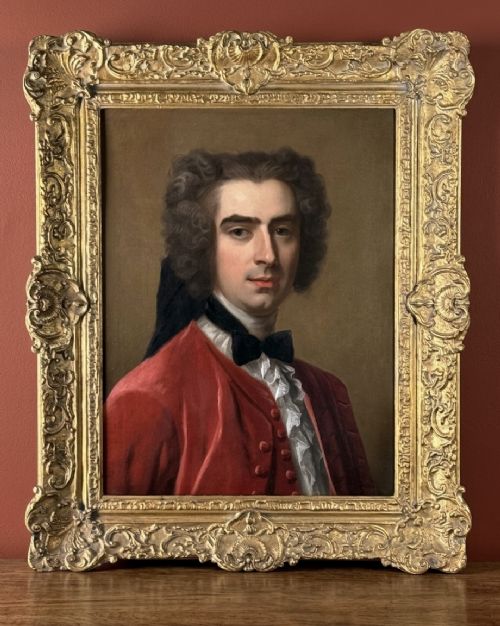
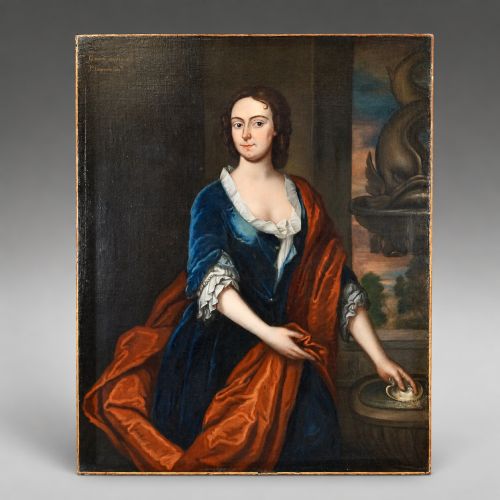
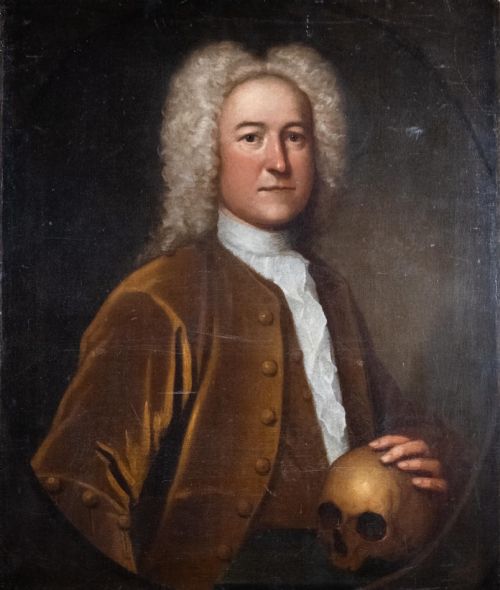
When handling early portrait painting, you encounter centuries of faces rendered in oil and watercolour that capture individual identity with striking directness.
Early Portrait Painting
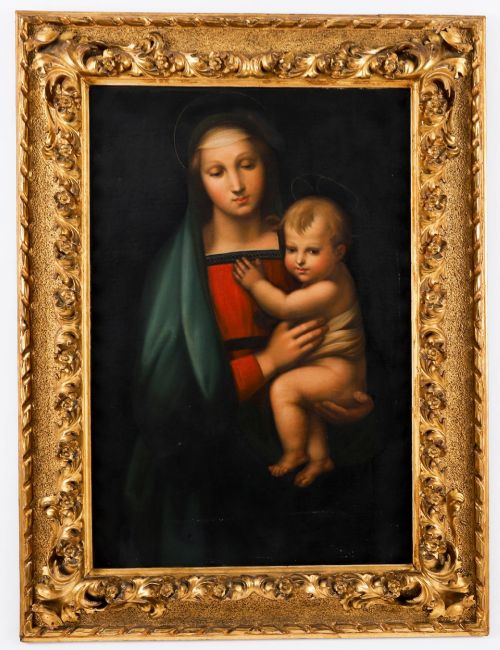
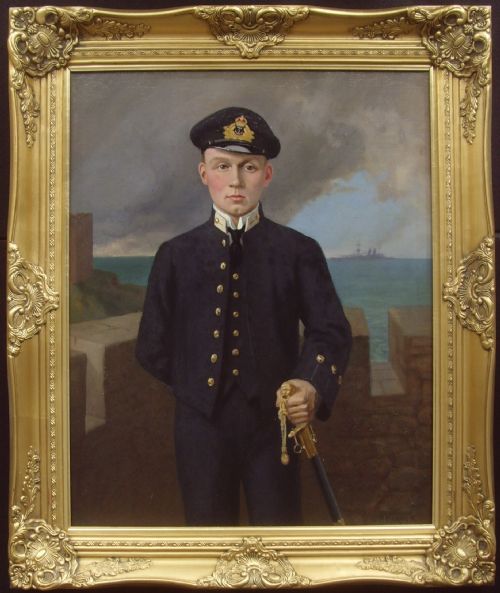
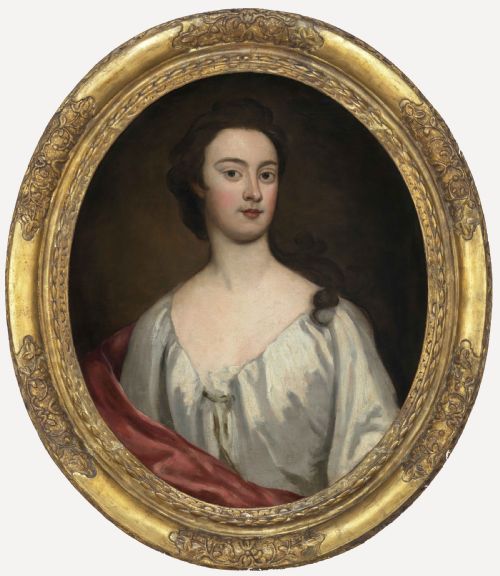
Early portrait painting covers centuries of artistic representation, primarily focusing on individual likenesses captured across the seventeenth, eighteenth, and nineteenth centuries.
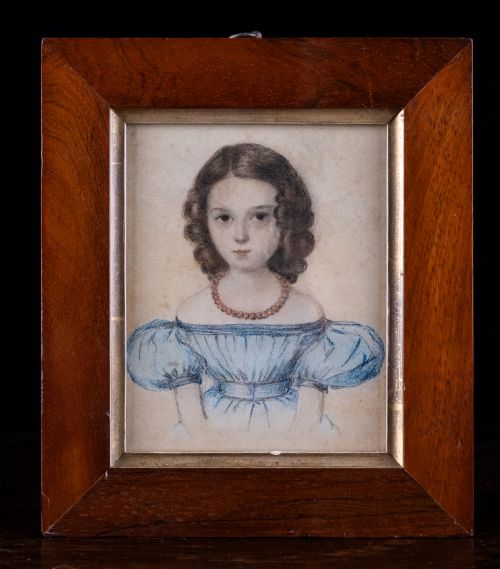
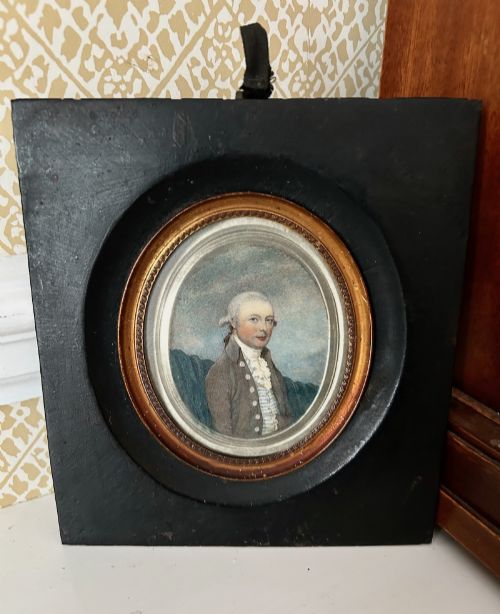
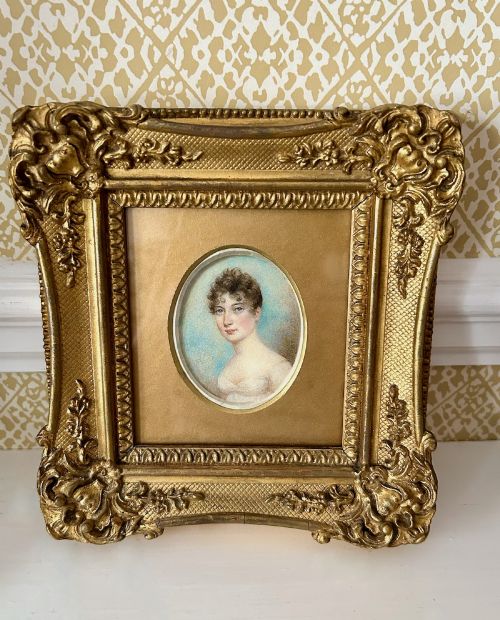
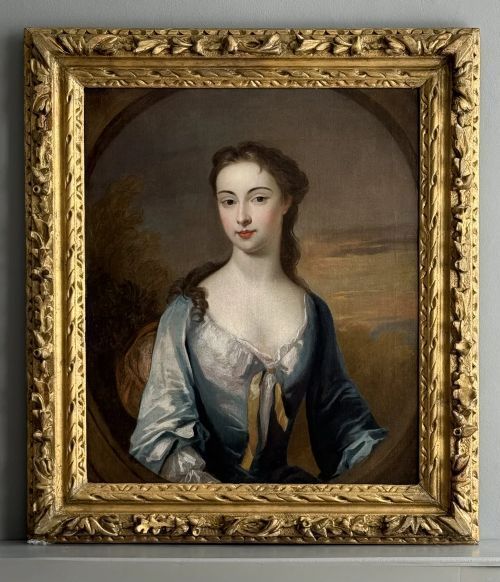
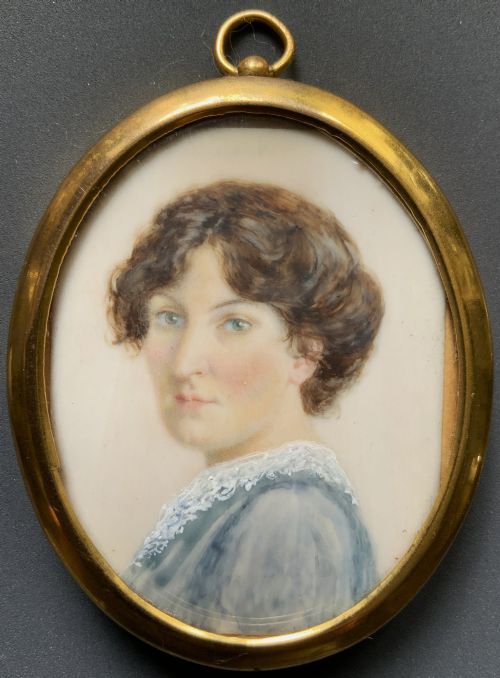
A buyer examining early portrait painting on this page will most frequently encounter works executed in oil on canvas, alongside smaller portrait miniatures on paper or glass.
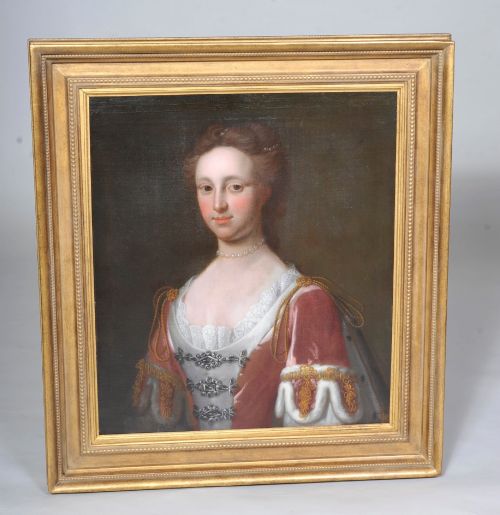
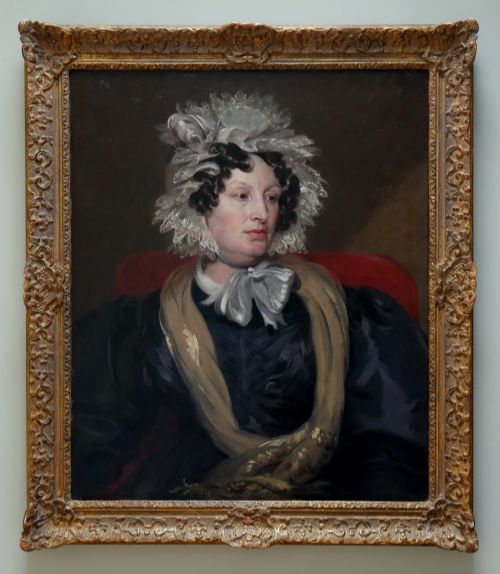
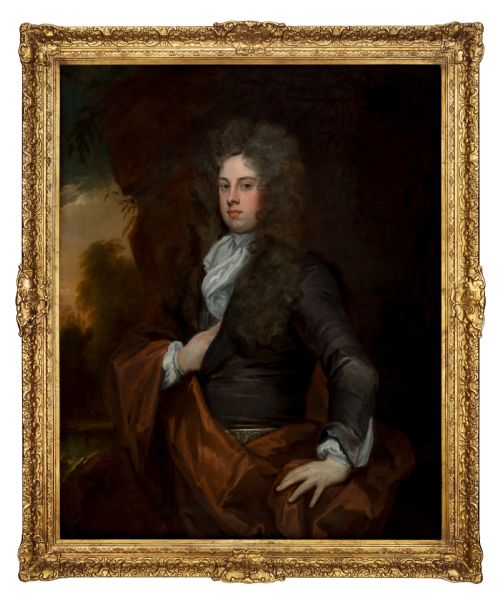
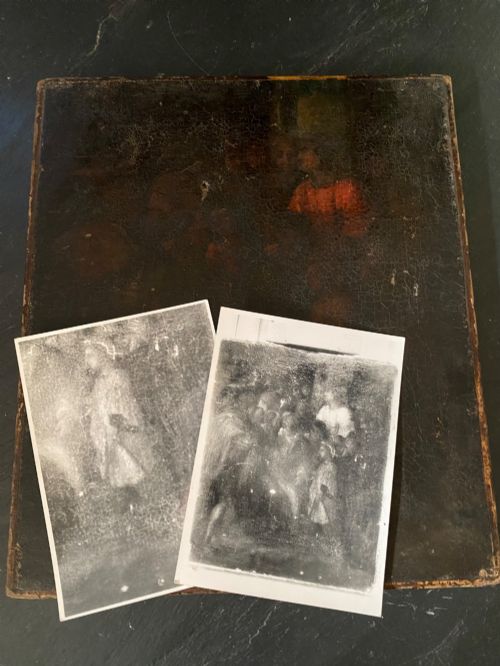
The subjects range from aristocratic sitters and military officers to composers and anonymous ladies in contemporary dress, reflecting the social history of their respective periods.
Materials and methods
Artists typically applied oil paint to stretched canvas, building rich colour through layered glazes, while portrait miniatures frequently utilised delicate watercolour on paper or glass.
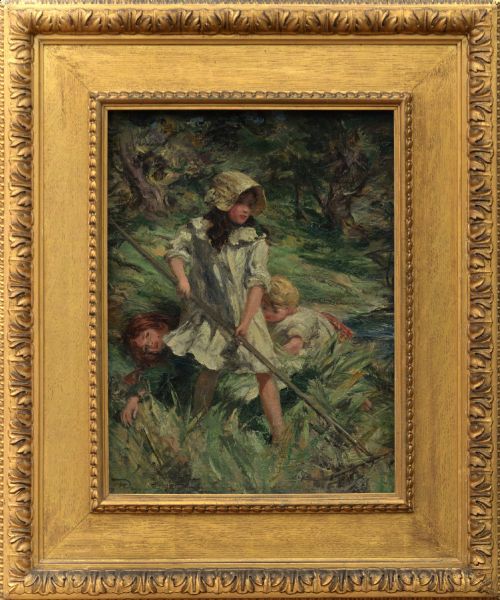
Frames play an integral role in presentation, with period pieces often housed in carved and gilded wooden giltwood surrounds that complement the artwork.
Early Portrait Painting Retail Price Guide 2026
Typical asking prices for early portrait painting among the pieces listed under this phrase on Sellingantiques today, from the lower quarter to the upper quarter. They describe what is for sale here now, not the wider market.
Listings feature works spanning from the seventeenth century through to the Edwardian era, utilising oil paint, watercolour, and pastel.
Distinguishing quality
The skill of the brushwork in capturing facial expression and anatomical proportion dictates the distinction between masterwork and routine workshop production.
The preservation of the original paint surface and the absence of heavy overpainting determine the integrity of an early portrait painting.
Charles Jervas·Michael Dahl·Thomas Murray·Frederick Buck·Jeremiah Davison
The Early Portrait Painting Glossary
- Oil on canvas
- A traditional painting medium where pigments are suspended in drying oils and applied to a woven fabric support. This combination allows for rich blending and deep tones.
- Portrait miniature
- A small-scale painting capturing a person's likeness, often created on ivory, vellum, paper, or glass. These portable items were frequently kept as personal mementoes.
- Giltwood
- Wood that has been coated with a thin layer of gold leaf or gold powder. This finish is commonly found on antique frames.
- Manner of
- A term used when a work is executed in the style of a particular master but not necessarily by their hand or immediate workshop. It denotes stylistic affinity rather than direct attribution.
- Baroque
- An artistic style prevalent from the early seventeenth century into the mid-eighteenth century, characterised by dramatic movement, deep shadow, and grand scale.
Early Portrait Painting: Frequently Asked Questions
How do I date an early portrait painting?
Dating relies heavily on the sitter's costume, hairstyle, and the construction of the canvas stretcher. Secondary clues include the framing style and any inscriptions on the reverse.
Comparison with documented works by known artists or contemporary regional schools helps narrow the timeframe further.
What is the difference between an oil painting and a miniature?
Oil paintings on canvas are larger works designed to be hung prominently on walls, allowing for broad brushstrokes and rich textures. Portrait miniatures are intimate, highly detailed works on a small scale, often painted on paper or glass.
Miniatures were typically intended to be worn, carried, or kept within private domestic spaces.
How should I care for an antique canvas?
Keep paintings away from direct sunlight, high humidity, and rapid temperature fluctuations to prevent the canvas from slackening and the paint from cracking. Avoid using liquid cleaners on the paint surface.
Dusting should be done very gently with a soft, dry brush, leaving deeper conservation to professional restorers.
Why do some portraits lack a known artist attribution?
Many historical portraits were produced by regional painters, workshop assistants, or itinerant artists who did not sign their work. Over centuries, signatures can also be lost during cleaning or relining.
Such pieces are often categorised by school and period rather than a specific individual creator.