


Early Oak Chair
When you search for an early oak chair, you meet centuries of solid timber working, from seventeenth-century wainscot seats to twentieth-century office furniture.
Early Oak Chair
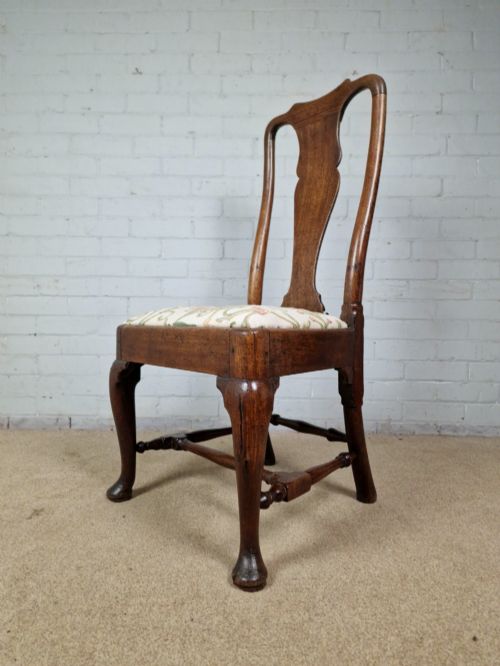
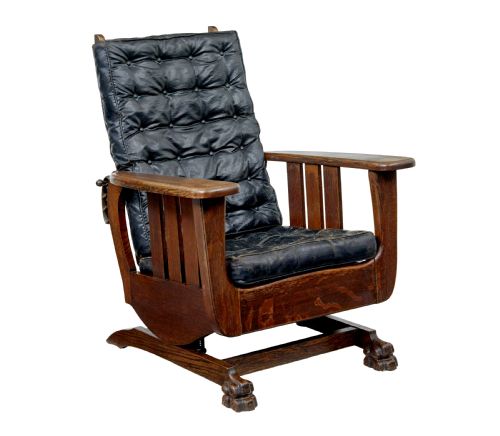
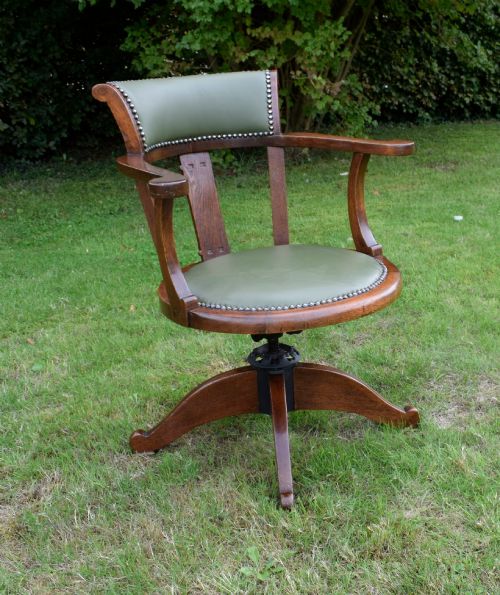
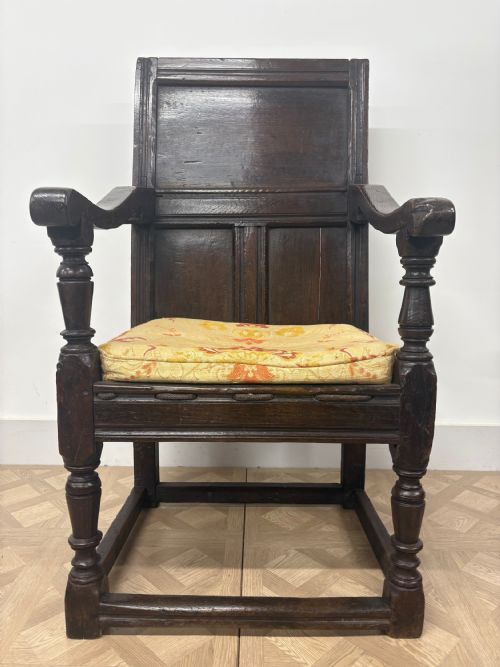
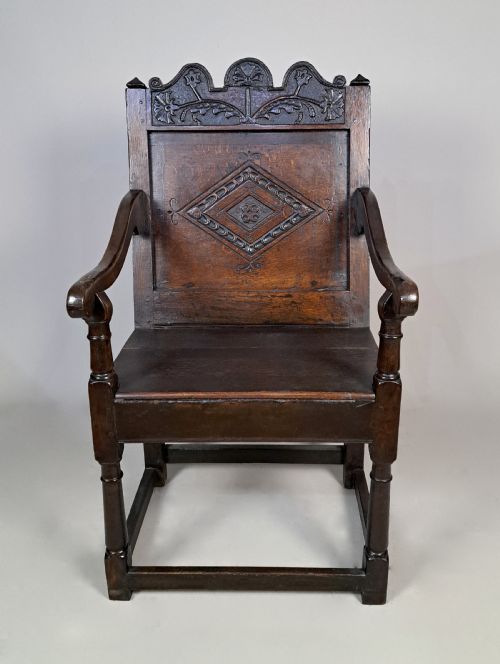
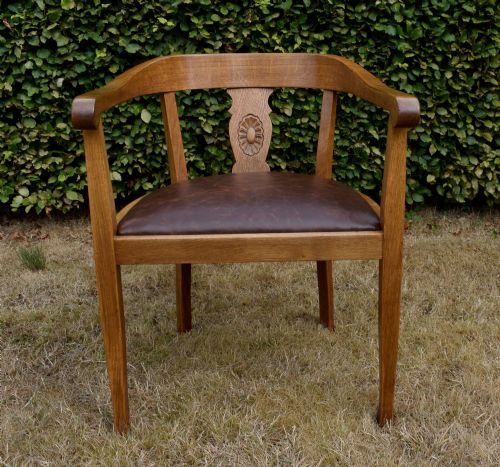
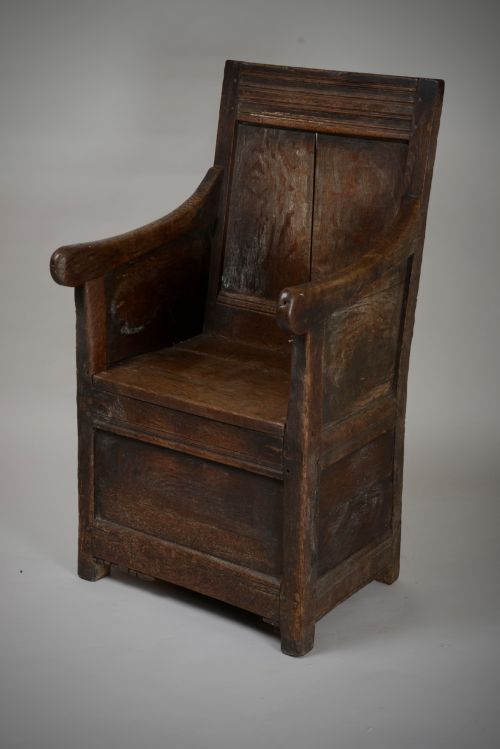
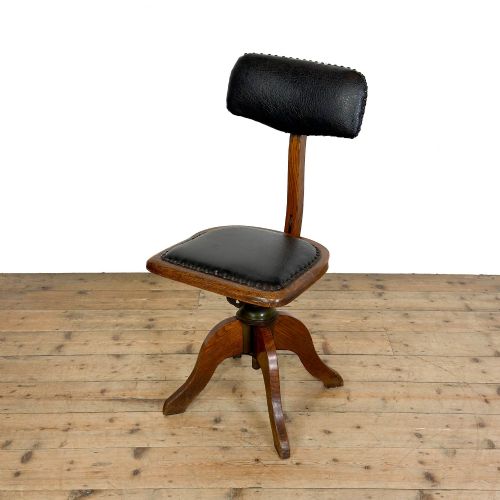
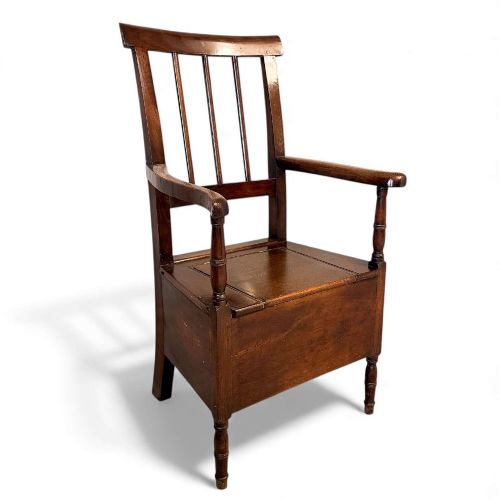
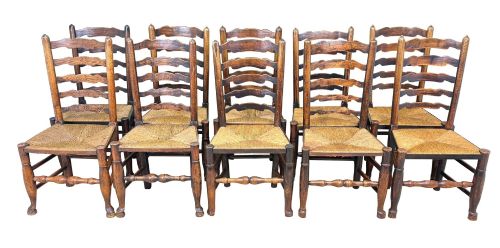
An early oak chair spans several distinct eras of British and European domestic life, bridging the heavy joined furniture of the seventeenth century and the lighter vernacular and industrial seating of the nineteenth and twentieth centuries. Buyers encounter robust wainscot armchairs bearing panelled backs alongside spindle-backed country dining chairs, Windsor forms, and early twentieth-century swivel desk chairs.
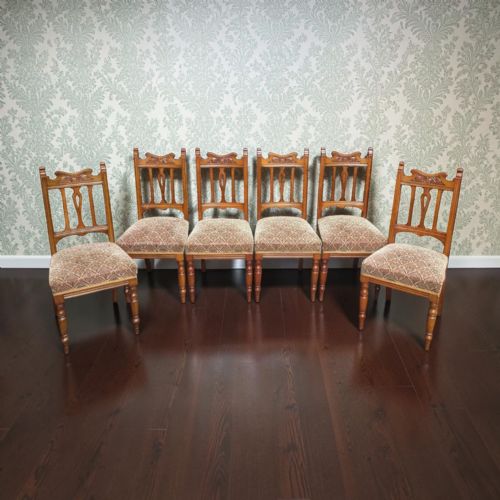
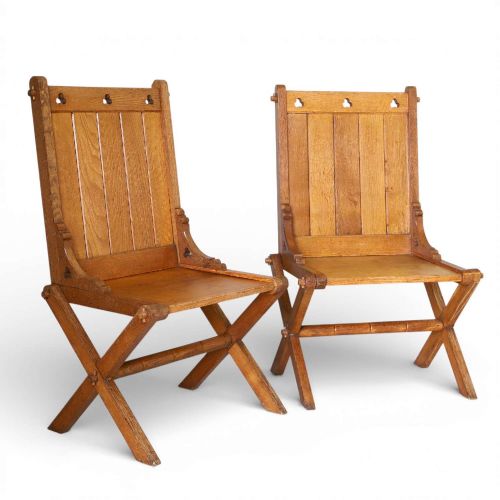
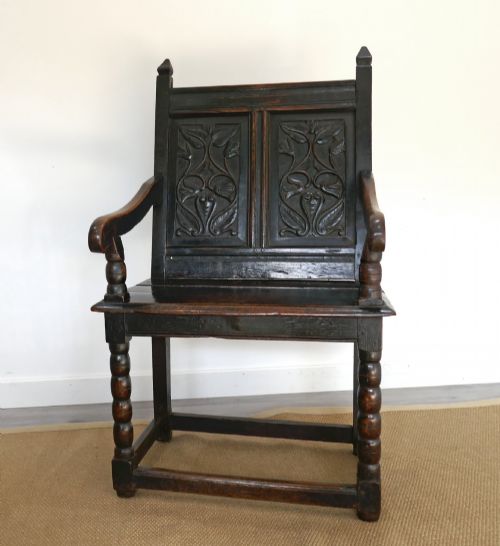
The heavier seventeenth-century examples typically originate from regional workshops in Lancashire, Cheshire, Yorkshire, or Wales, featuring pegged joinery and carved crest rails. Later iterations shift toward functional utility, encompassing Arts and Crafts lounge seating, Edwardian dining sets, and workshop chairs equipped with iron or brass hardware.
Whether seeking a high-backed dining seat, a low fireside armchair, or a revolving office chair, the selection preserves the enduring utility of domestic timber. Each form reflects the specific domestic or working requirements of its era, from the formal hall to the busy industrial office.
How they were made
Makers built early seating using solid oak timbers, frequently supplemented by secondary woods such as elm for seats and ash or beech for spindles and stretchers. Construction relied upon pegged mortise and tenon joints in the earlier periods, ensuring structural rigidity without relying on metal fasteners.
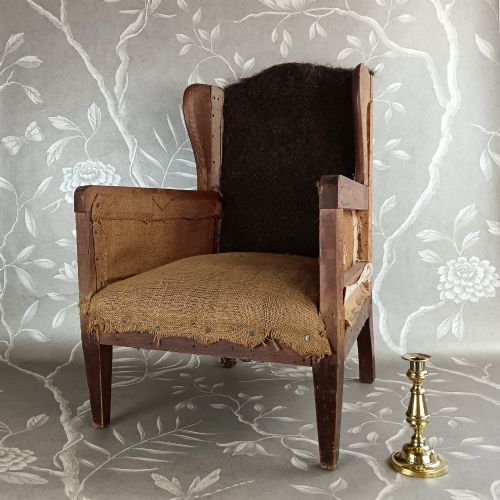
Seating areas ranged from solid timber planks and woven rush to leather, fabric, and horsehair stuffing held by brass upholstery tacks. These varied materials reflect the shifting demands for comfort across three centuries of domestic and commercial design.
Several chairs feature built-in library steps, proving that ancestors also hated getting up for a book.
What varies in quality
The integrity of an early oak chair depends heavily on the extent of original timber retained and the honesty of its construction. Pieces retaining their original pegged joints, uncompromised block feet, and untouched patination command greater appreciation than those assembled from mismatched older components.
Carving execution defines the upper tier of seventeenth-century wainscot examples, where crisp relief work on the back panel distinguishes master workshops from provincial copyists. In later office and Windsor seating, smooth mechanical movement and structural balance separate utilitarian survival from fine craftsmanship.
Surface treatment significantly influences character, as dry, un-waxed timber with natural wax accumulation holds more integrity than heavily stripped or over-polished surfaces. The presence of original upholstery foundations or authentic leather hide further elevates the historical standing of surviving examples.
The Early Oak Chair Glossary
- Wainscot
- A heavy wooden armchair featuring a solid panelled back and panelled seat base, typical of seventeenth-century domestic interiors. These chairs were prestige items in early households.
- Rush
- Dried marsh grass twisted into cords and hand-woven to form flexible, resilient seat pads. This material appears frequently on country vernacular and Arts and Crafts seating.
- Stretcher
- A horizontal wooden brace connecting the legs of a chair to provide structural rigidity. They often show wear marks from the feet of successive occupants.
- Bobbin framed
- Furniture constructed with decorative turnings resembling reels or bobbins threaded together. This style gained popularity during the seventeenth century and saw revival periods later.
- Windsor
- A chair constructed with a solid wooden seat into which the legs and back spindles are independently tenoned. These forms developed strong regional variations across Britain.
- Pegged joinery
- A method of securing mortise and tenon joints by driving a wooden dowel through the interlocking members. This technique avoided metal nails and allowed timber to move naturally.
Early Oak Chair: Frequently Asked Questions
How do I date a wainscot chair?
Dating relies upon examining the construction methods, tool marks, and regional carving styles evident on the panelled back. Seventeenth-century examples utilise pegged frame construction with heavy oak boards.
Secondary woods and hardware additions often point toward later restorations or provincial vernacular copies made in subsequent centuries.
Are early oak chairs comfortable to use daily?
Seventeenth-century panelled chairs offer upright, firm seating designed for posture rather than lounging. They suit hallways, studies, or accent placement.
Twentieth-century oak office and swivel chairs provide ergonomic support, while upholstered armchair variants offer softer cushioning for living spaces.
How should I clean an antique oak finish?
Dust surfaces gently with a soft, dry cloth to prevent accumulation in carved crevices and mouldings. Avoid modern silicon-based polishes that seal the timber.
Feed dry timber occasionally with traditional beeswax applied sparingly and buffed thoroughly to maintain the natural lustre.
What is the difference between a side chair and an armchair?
Armchairs feature structural elbow rests integrated into the front posts or side rails, indicating primary seating for heads of households or guests. Side chairs lack arms, allowing them to tuck neatly around dining tables.
Both forms share identical regional construction methods and period stylistic traits.