


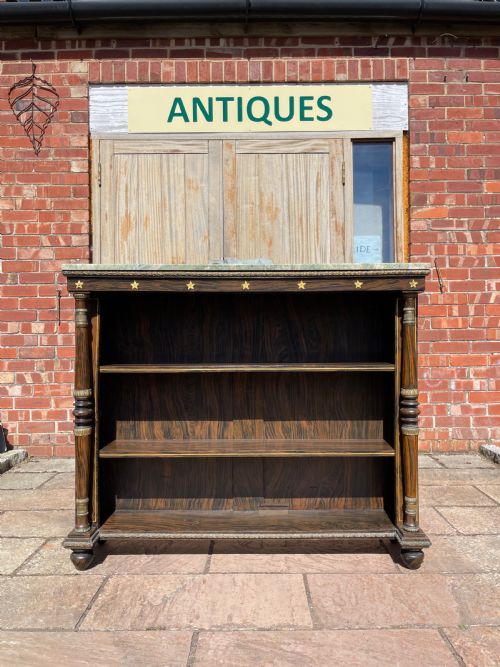


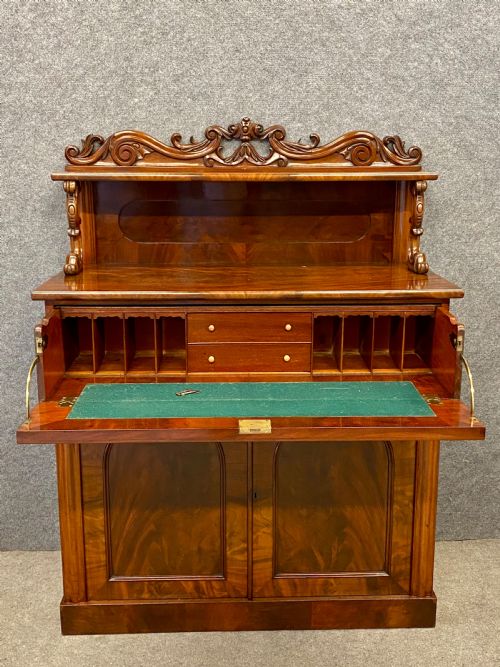
Early Nineteenth Century Cabinet
An early nineteenth century cabinet brings substantial timber and architectural form into a room, offering both display space and practical storage.
Early Nineteenth Century Cabinet
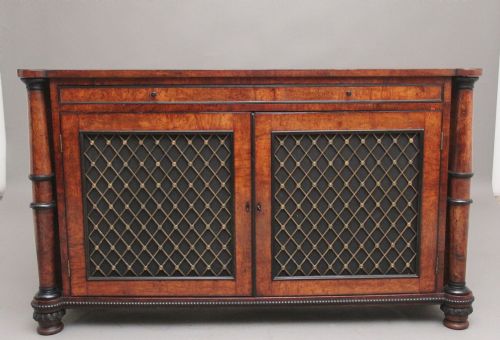
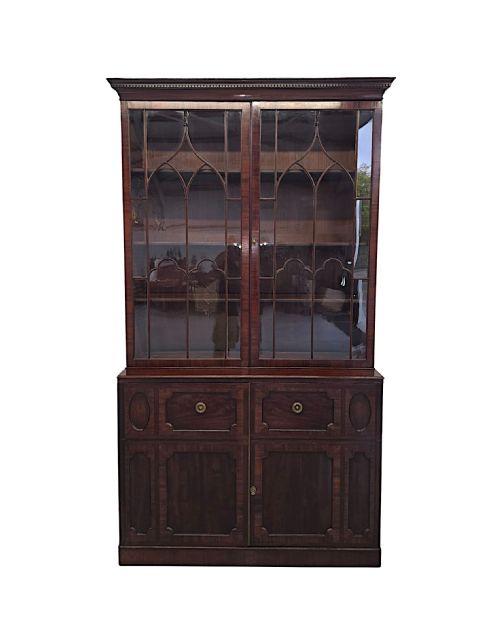
An early nineteenth century cabinet encompasses a diverse group of storage furniture, including side cabinets, bookcases, secretaires, and cupboards designed during periods such as the Regency, Georgian, and William IV eras. Buyers searching this phrase typically encounter pieces built from dense hardwoods like mahogany and oak, often featuring specialised forms such as pedestal bedside cupboards, tall bookcases, and architectural chiffoniers.
The construction of these pieces spans British workshops as well as continental styles including French Provincial and Biedermeier, showing a strong reliance on classical proportions. Alongside large case pieces, the category accommodates smaller table cabinets mounted with brass and leather, demonstrating how varied the scale of functional storage was during this time.
Materials and Construction Methods
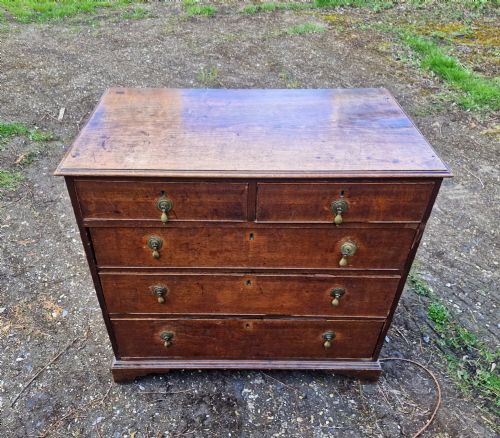
Cabinetmakers of this era relied heavily on solid timbers and figured veneers, utilising mahogany, oak, pollard oak, and satin birch to create rich surface patterns. Brass mounts, gilt-brass details, and marble tops frequently appear on finer examples, adding structural weight and visual contrast to the wood.
Secondary techniques recorded in these pieces include simulated paint finishes, red lacquer, and carved gilt surfaces seen on imported or exotic forms. Joinery focused on sturdy carcase construction, housing drawers and shelving designed for daily utility within domestic interiors.
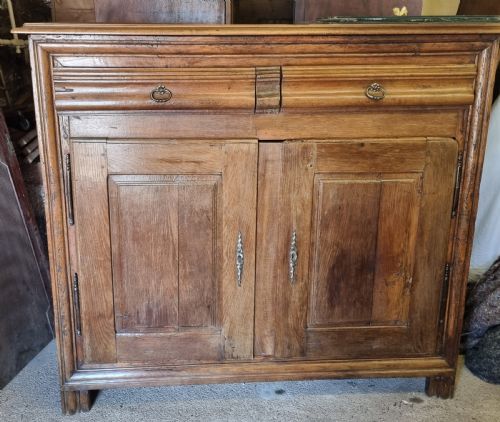
Housemaid cupboards remind us that early nineteenth-century domestic service required heavy oak doors to hide the cleaning gear.
Distinctions in Quality and Execution
Quality in an early nineteenth century cabinet rests on the selection of timber veneers and the crispness of architectural details such as columns, brass mounts, and carved elements. Superior pieces display thoughtful grain matching across large drawer fronts and doors, whereas simpler vernacular examples rely on plain timber surfaces and straightforward joinery.
The sophistication of the internal mechanism also marks the difference between standard storage and masterwork design, particularly in secretaire drawers and fitted bookcase interiors. Workshop attribution and regional style further separate utilitarian housemaid cupboards from sophisticated urban cabinet work.
C.J. Mason·S. Jamar
The Early Nineteenth Century Cabinet Glossary
- Regency
- A style period dating roughly from the early nineteenth century characterised by classical lines, architectural motifs, and classical restraint. It draws heavily on ancient Greek and Roman design vocabulary.
- Secretaire
- A desk form incorporated into a cabinet or chest, featuring a drop-front writing surface that conceals small drawers and pigeonholes. It provides dual utility as storage and a writing place.
- Biedermeier
- A Central European style from the first half of the nineteenth century prioritising clean lines, utilitarian comfort, and minimal ornamentation over excessive carving. It highlights the natural grain of timbers like birch and mahogany.
- Chiffonier
- A low cabinet or sideboard developed in the nineteenth century, frequently fitted with shelves or a raised gallery back for displaying small objects. It serves as a compact storage unit for living spaces.
- Pollard Oak
- Timber taken from trees that have been pollarded, producing a gnarled, highly figured grain pattern prized for decorative veneering. It creates striking mottled patterns on cabinet doors and drawer fronts.
Early Nineteenth Century Cabinet: Frequently Asked Questions
What is a secretaire cabinet?
A secretaire cabinet combines standard drawer or cupboard storage with a fold-down writing flap that conceals internal compartments.
This built-in desk function allowed owners to write letters without needing a separate standalone piece of furniture in the room.
Where were these cabinets used?
These cabinets served various domestic functions in drawing rooms, libraries, bedrooms, and hallways across the home.
Larger bookcases and side cabinets held books and display items, while smaller bedside cupboards and table cabinets kept personal belongings close at hand.
Are these cabinets made of solid wood?
Most pieces combine solid structural framing with decorative timber veneers applied to drawer fronts and door panels.
This method allowed craftsmen to display striking wood figures like pollard oak and satin birch while maintaining stability in the carcase.