



Early Modern Artwork
Early modern artwork brings together distinctive period visions, ranging from expressive portraits to quiet landscapes.
Early Modern Artwork
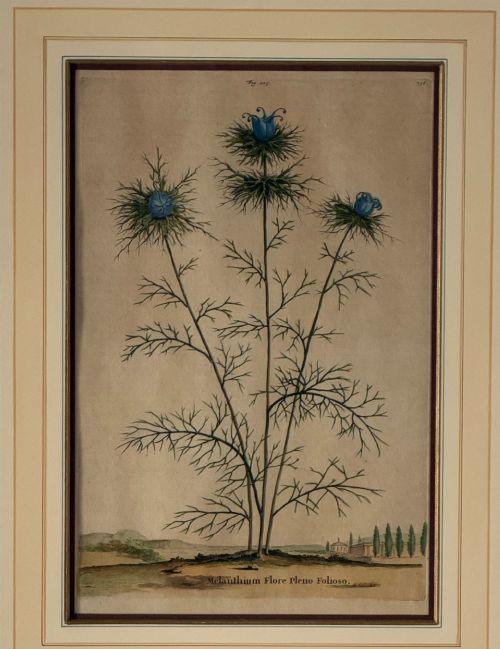
Early modern artwork encompasses paintings, drawings, and framed textiles spanning from the seventeenth century through the mid-twentieth century. When you search for early modern artwork, you encounter varied expressions including Modern British movements, Cubism, and British Impressionism.
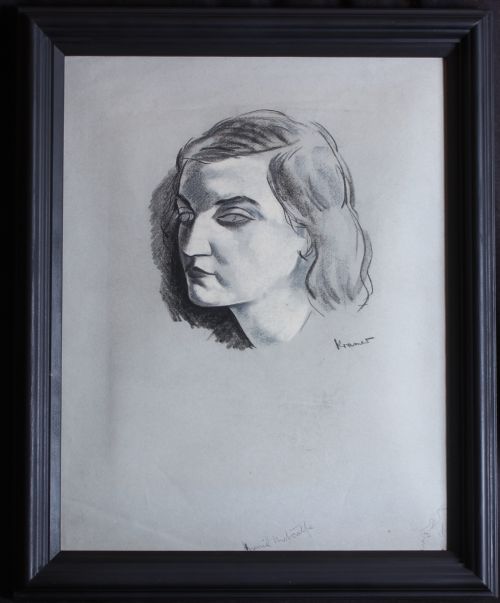
The selections on this page frequently highlight works on paper and oil paintings executed on wood panel or canvas. Examples range from intimate portrait drawings in ink and watercolour to sweeping Welsh landscapes and early career works.
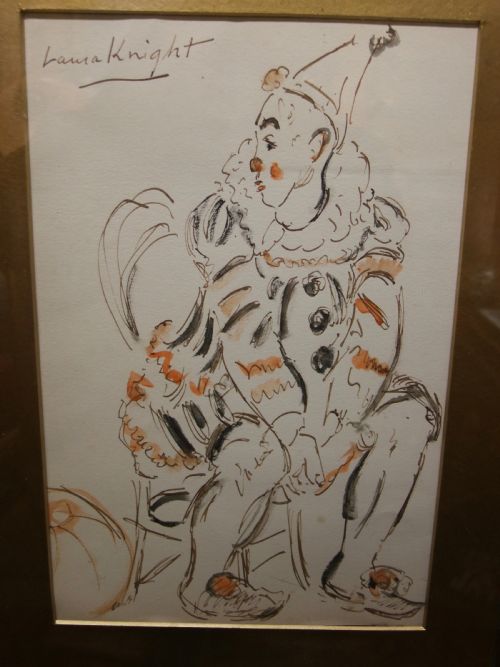
Mid-century pieces sit alongside earlier creations, showing how artists captured subjects like snowy winter scenes, churchyards, and theatrical performers. These diverse forms provide a tangible link to the evolving aesthetic priorities of their respective decades.
Materials and technique
Makers utilised traditional supports such as paper, wood panel, and canvas to ground their compositions. Pigments and media applied include oil paint, watercolour, ink, charcoal, and pencil.
Artists combined fluid washes with precise line work in works on paper, while oil painters built texture and depth on wood panels and canvases. Framed textiles from the seventeenth century demonstrate structured weaving and tapestry techniques.
Early Modern Artwork Retail Price Guide 2026
Typical asking prices for early modern artwork among the pieces listed under this phrase on Sellingantiques today, from the lower quarter to the upper quarter. They describe what is for sale here now, not the wider market.
Listings feature works spanning from the seventeenth century through the 1960s, executed in oil, watercolour, ink, and tapestry.
Distinctions in quality
Quality rests in the assuredness of the hand and the clarity of the composition, distinguishing confident masterworks from tentative studies. The relationship between the medium and the chosen support dictates the overall visual impact.
Works that capture immediate atmospheric conditions or strong character portrayals demonstrate a higher degree of artistic success. The preservation of the paper, canvas, or panel further influences the enduring strength of the piece.
Jacob Kramer·Fred Lawson·Hubert Wellington·Joan Gillchrest·Jean Hippolyte Marchand·George Graham·Nora Munro Summers·Dame Laura Knight
The Early Modern Artwork Glossary
- Modern British
- A designation for art produced in Britain during the twentieth century that absorbed continental modernist influences. It embraces movements such as Cubism and British Impressionism.
- Works on paper
- A collective term for drawings, watercolours, and pencil studies executed on paper supports. These pieces often reveal the direct, unedited process of the artist.
- Wood panel
- A rigid wooden support used instead of canvas for oil paintings. This substrate provides a smooth, stable surface favoured by landscape and portrait painters.
- Avant-garde
- A descriptor for art that pushes the boundaries of existing aesthetic conventions. It is closely linked to experimental groups and radical stylistic shifts.
- Baroque
- A seventeenth-century stylistic period characterised by dramatic movement and rich detail. Pieces from this era often display elaborate ornamentation and deep tonal contrasts.
Early Modern Artwork: Frequently Asked Questions
What defines early modern artwork?
Early modern artwork encompasses visual creations spanning the seventeenth century to the mid-twentieth century. It captures shifts toward abstraction, modernism, and distinct regional painting traditions.
The category includes oil paintings, watercolours, pencil studies, and decorative textiles. Each piece reflects the material experimentation and stylistic movements of its specific decade.
How do I care for works on paper?
Works on paper require protection from direct sunlight to prevent the fading of watercolours and inks. Maintaining stable indoor humidity prevents warping and degradation of the paper support.
Framing with acid-free mounts ensures the paper remains undamaged over time. Keeping these pieces away from damp environments preserves the integrity of the drawing materials.
How can I distinguish period styles?
Period styles reveal themselves through brushwork, palette choices, and adherence to specific artistic movements. Seventeenth-century pieces focus on ornate textile weaving or baroque formality, while twentieth-century works lean into impressionist or cubist forms.
Examining the handling of oil paint on canvas or wood panel clarifies the technical approach of the era. Comparing signatures and known artist methodologies further anchors a piece in its historical moment.
Where were these pieces created?
The pieces originate from various European centres, with a strong representation of British artists and landscapes. Regional scenes range from Welsh valleys and Cornish churchyards to northern winter landscapes.
Continental influences also appear through avant-garde movements and continental textile production. This geographical spread highlights the diverse cultural exchange active during these periods.