



Early Looking Glass
An early looking glass brings centuries of craft to a wall, offering genuine period character and warm reflective depth.
Early Looking Glass
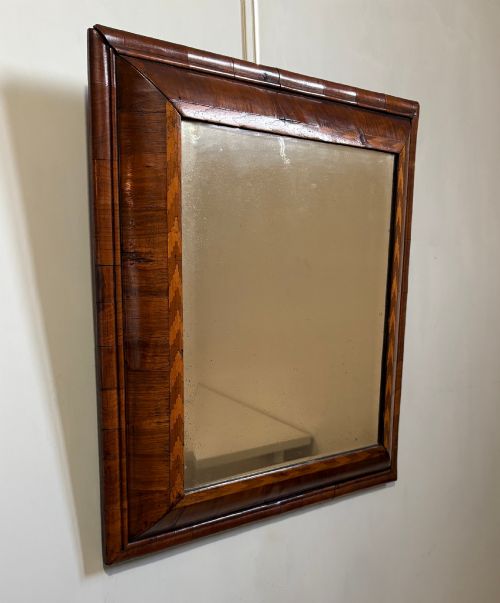
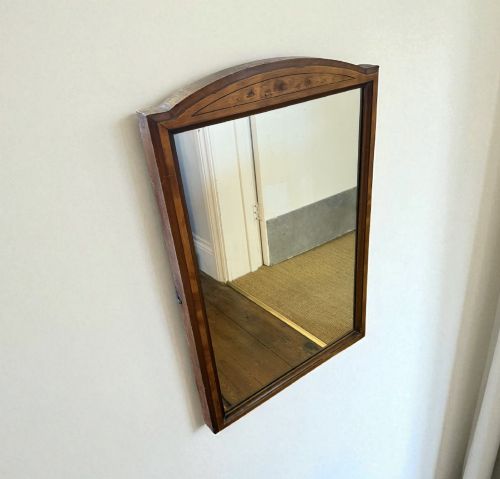
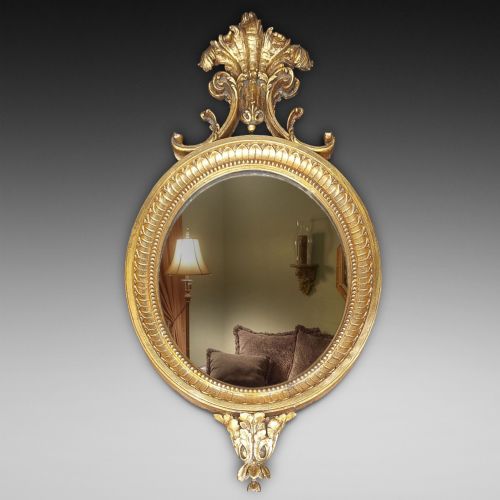
When you search for an early looking glass, you encounter wall mirrors spanning from the seventeenth century through the Victorian era and into the early twentieth century. These objects function primarily as wall mirrors, shaped by historical periods including Queen Anne, Georgian, Regency, Baroque, and Arts and Crafts styles.
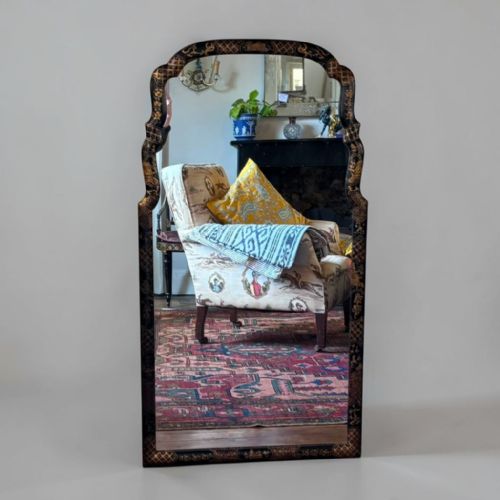
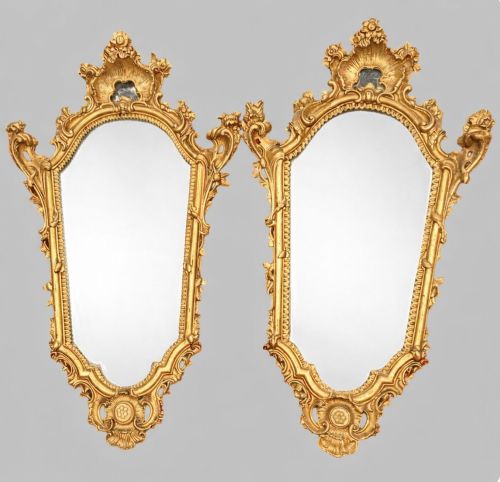
The most common examples on this page date from the eighteenth century and the Victorian period, frequently constructed in rich timber frames. You will find items displaying distinct regional designs such as Chinoiserie decoration or French Louis XV manners alongside traditional British forms.
Wall mirrors from these earlier eras serve as striking focal points in a room, combining functional reflection with ornamental woodwork. Their surviving frames demonstrate the evolving aesthetic preferences of past centuries, from simple oak to elaborate giltwood.
How they were made
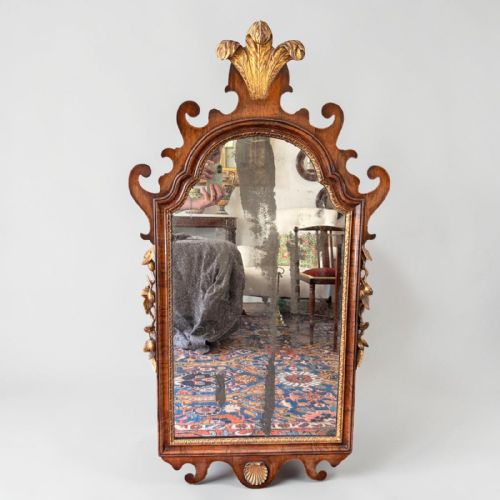
Maker workshops constructed these frames using timber such as walnut, oak, yew, and mahogany, often pairing the exposed grain with gesso and giltwood ornamentation. Craftsmen shaped and carved the wood by hand before applying surface treatments that ranged from silver gilt to polished timber.
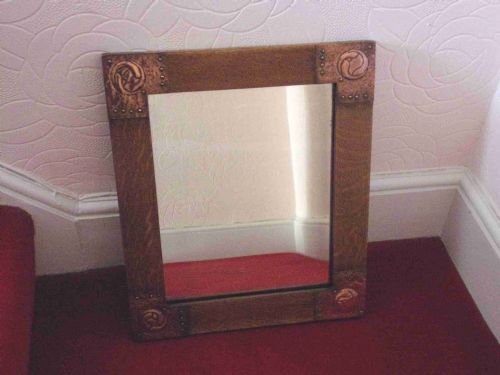
Mirror glass was set into these heavy frames, accompanied by specialist decorative elements like copper decorations featuring Celtic knots in later Arts and Crafts interpretations. The integration of glass and carved wood required precise joinery to support the weight of the reflective plate.
Early Looking Glass Retail Price Guide 2026
Typical asking prices for early looking glass among the pieces listed under this phrase on Sellingantiques today, from the lower quarter to the upper quarter. They describe what is for sale here now, not the wider market.
The listings span multiple centuries, uniting walnut, oak, yew, and mahogany pieces with giltwood and gesso finishes.
What varies in quality
The refinement of the carving separates standard examples from exceptional pieces, particularly in giltwood and gesso frames where depth and detail dictate the maker's skill. Crispness of line in walnut and mahogany mouldings shows the precision applied during construction.
The integrity of the original mirror glass and the preservation of early surface gilding significantly influence the character of the piece. Superior examples retain their historical materials harmoniously across both frame and reflective plate.
The Early Looking Glass Glossary
- Looking glass
- An historical term for a mirror, specifically those produced with traditional handmade glass plates and decorative frames.
- Giltwood
- Wood that has been coated with a thin layer of gold leaf or gilt, frequently seen on elaborate eighteenth and nineteenth century frames.
- Gesso
- A plaster-like mixture applied to wood frames as a smooth base for gilding and intricate relief carving.
- Chinoiserie
- A decorative style reflecting European interpretations of Chinese artistic traditions, popular in furniture and wall mirror design.
- Arts and Crafts
- A design movement valuing traditional craftsmanship and natural materials, often displaying hand-hammered metal details.
Early Looking Glass: Frequently Asked Questions
How do I hang an early looking glass safely?
These pieces possess substantial weight due to their timber frames and older glass plates. Secure fixings into wall studs or appropriate masonry anchors are essential to support them safely.
Professional mirror hangers often utilise specialised brackets distributed across the frame structure to balance the load evenly and protect the antique wood.
What periods do these mirrors cover?
The selection encompasses items from the seventeenth century through the Georgian and Regency eras, extending into Victorian and early twentieth century interpretations.
Each period brings distinct stylistic traits, ranging from Baroque exuberance to Arts and Crafts simplicity.
How do I clean an antique mirror glass?
Use a soft, dry cloth to gently remove dust from both the glass and the surrounding frame materials. Avoid harsh chemical cleaners that can damage historic gesso and gilt surfaces.
Moisture should be kept away from the edges of the mirror plate where the backing and silvering are vulnerable to deterioration.
Are the mirror plates original?
Older looking glasses frequently retain their original glass, which can exhibit minor oxidisation, foxing, and subtle distortions in the reflection. These natural ageing characteristics confirm the historical age of the object.
Replacements occur when earlier glass suffered irreversible damage over centuries of domestic use.