



Early Hanging Cupboard
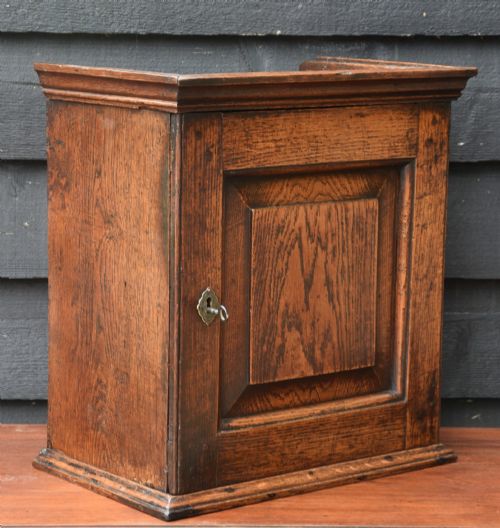
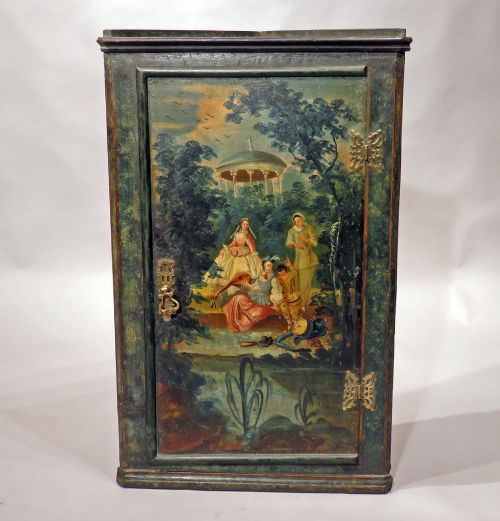
An early hanging cupboard solves the problem of domestic storage with panelled timber doors and wall-mounted proportions designed for domestic interiors.
Early Hanging Cupboard
An early hanging cupboard encompasses wall-mounted cabinets, corner cupboards, and spice cupboards designed to maximise interior space. These pieces serve domestic storage needs through compact wall attachments rather than freestanding floor placement.
The selections span from the seventeenth century through the nineteenth century, including Georgian, Queen Anne, and rustic farmhouse styles. Oak, walnut, mahogany, and painted pine form the primary structures found across these listings.
Corner variations and flat wall cabinets dominate the available forms, often featuring single panelled doors or glazed fronts. Regional examples extend from English oak pieces to French and Swedish painted pine formats.
How they were made
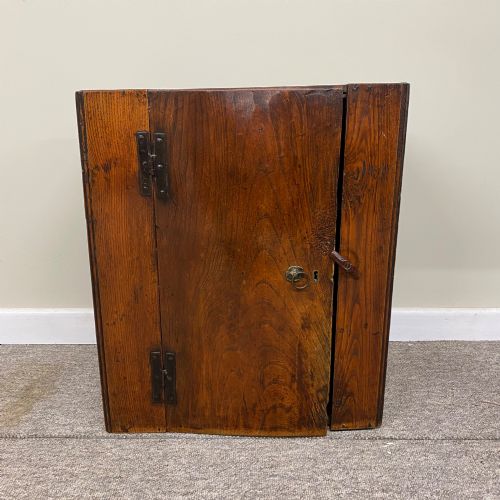
Carpenters constructed these cupboards using solid timbers like oak, walnut, and mahogany, frequently employing joined panels for doors and frames. Iron and brass hinges, alongside latches or locks, secure the hinged doors to the main body.
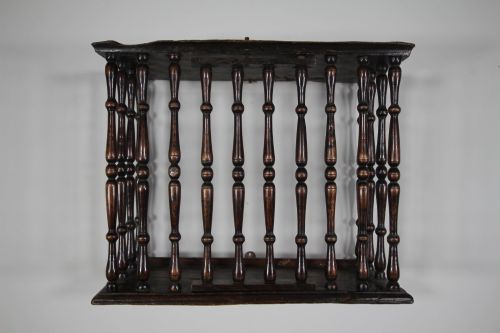
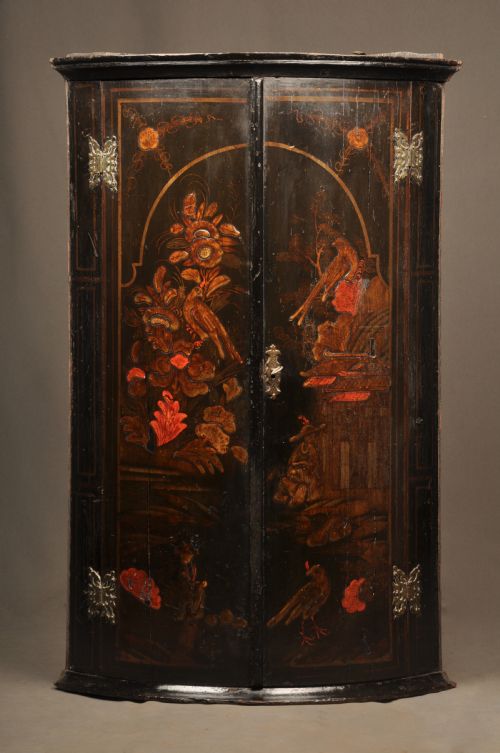
Surface treatments range from waxed natural grain and fruitwood inlay to painted finishes and japanning. Glazed sections utilise glass panes set into timber frames for display purposes within wall cabinets.
Early Hanging Cupboard Retail Price Guide 2026
Typical asking prices for early hanging cupboard among the pieces listed under this phrase on Sellingantiques today, from the lower quarter to the upper quarter. They describe what is for sale here now, not the wider market.
One tiny seventeenth-century oak spice cupboard has spent centuries guarding someone's expensive cinnamon.
What varies in quality
Construction methods determine the structural integrity, visible through the precision of dovetail joints, panel fitting, and timber selection. Superior examples maintain original hardware, hinges, and backboards without extensive modern replacements.
Surface finish distinguishes standard utilitarian pieces from more ambitious decorative items featuring japanning, fine inlay, or elaborate glazing bars. The crispness of carved details and the preservation of early painted surfaces alter the overall character.
The Early Hanging Cupboard Glossary
- Hanging cupboard
- A wall-mounted storage cabinet designed to be secured above floor level. These units save floor space in domestic rooms.
- Spice cupboard
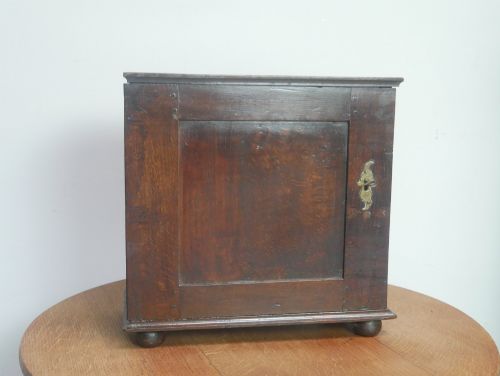
- A small wall-mounted cabinet traditionally fitted with internal drawers or compartments for storing valuable spices and small items. They often feature a single panelled door.
- Corner cupboard
- A cabinet specifically constructed with angled sides to fit directly into the corner of a room. Versions include both flat-fronted and bow-fronted door designs.
- Japanning
- A European imitation of East Asian lacquerwork popular on decorative furniture. It involves layered varnishes and painted motifs on a dark background.
- Livery cupboard
- A traditional storage cabinet used for keeping food, candles, or small provisions. Seventeenth-century examples often display robust timber framing.
Early Hanging Cupboard: Frequently Asked Questions
Where should I hang an early cupboard?
These cabinets suit solid brick or stone walls that can support the weight of dense timbers like oak or mahogany. Ensure appropriate fixings match the age and weight of the specific cabinet.
Kitchens, dining rooms, and hallways provide traditional contexts where wall storage remains practical and visually balanced.
How do I clean timber surfaces?
Dust regularly with a dry, soft cloth to prevent particulate buildup on old finishes. Avoid modern chemical sprays that can soften historic wax or lacquer.
Apply a traditional beeswax polish sparingly when the wood appears dry, buffing gently to maintain a natural lustre.
Can corner cupboards fit standard rooms?
Angled sides allow corner cabinets to utilise dead space where two walls meet at ninety degrees. Measure the wall clearance and door swing radius before installation.
Both flat and bow-fronted formats project differently into the room, altering the required surrounding clearance.
What is the difference between spice and wall cupboards?
Spice cupboards typically feature small internal compartments or drawers behind a single door for organising provisions. Standard wall cupboards offer open shelving or larger storage voids for tableware and household goods.
Both forms hang on walls, but their internal layouts reflect different domestic uses.