

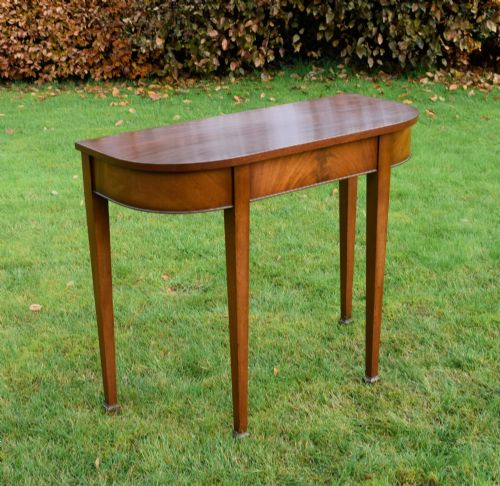
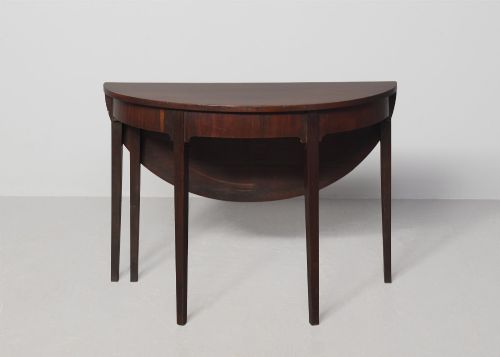
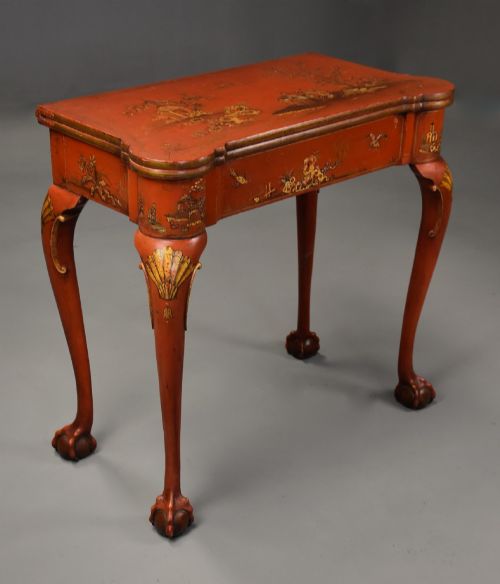
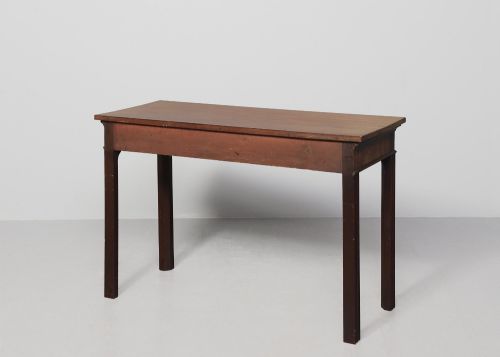
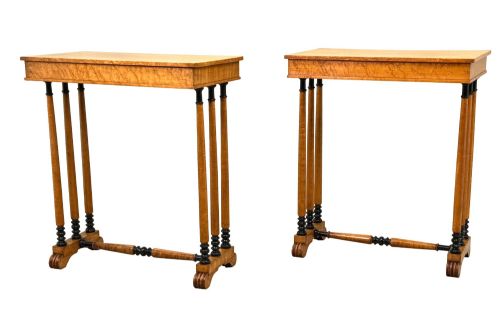

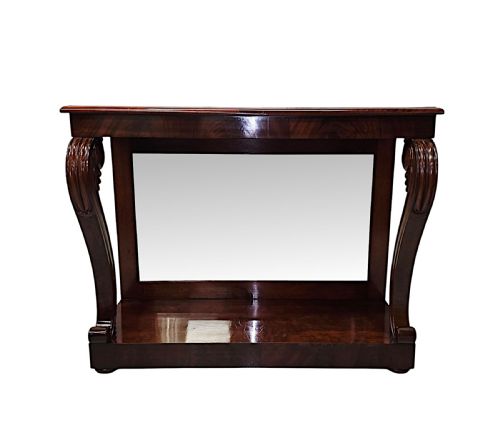
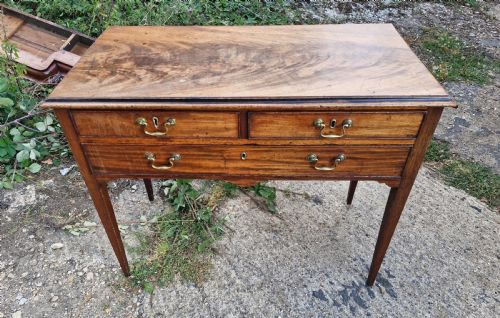
Early Georgian Console
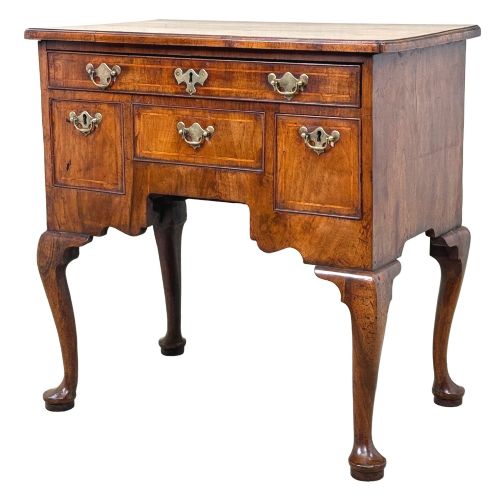
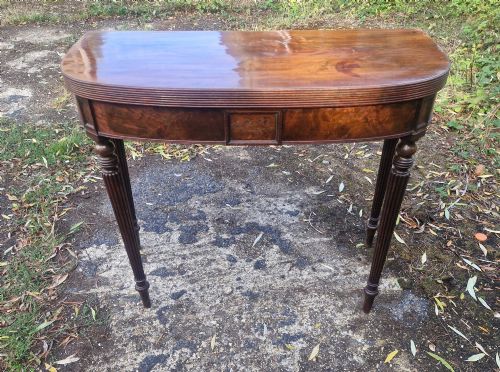
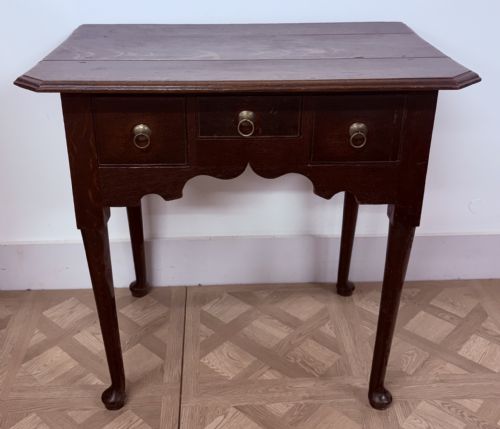
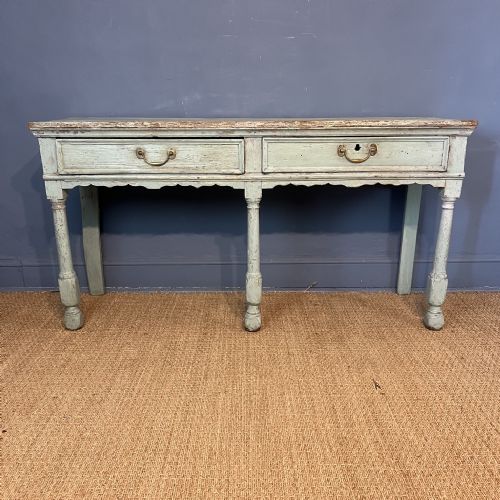
An early georgian console brings substantial 18th-century presence into a room, offering sturdy utility and rich timber grain.
Early Georgian Console
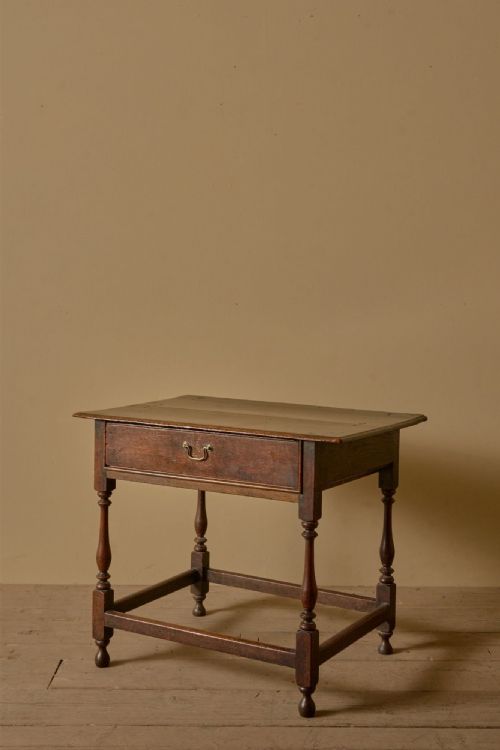
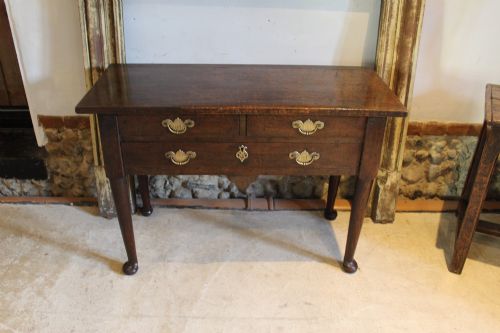
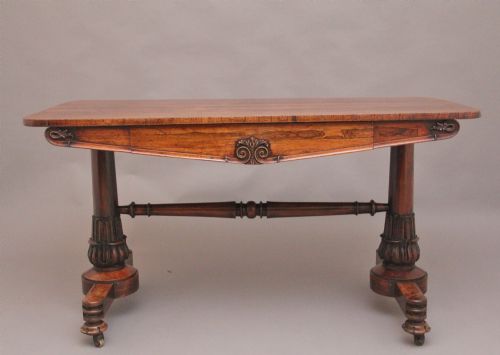
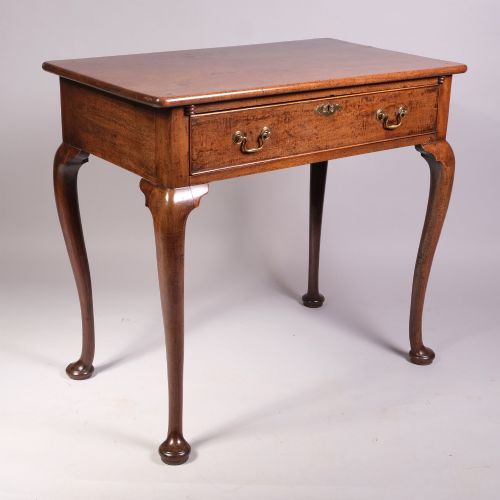
The selection includes oak, walnut, and mahogany examples spanning the Georgian, Queen Anne, and George periods. Buyers encounter both original 18th-century specimens and later interpretations built in matching styles.
How they were made
Cabinet makers built these tables using solid timbers like oak, walnut, and mahogany, often applying wood veneers and crossbanding to flat surfaces. Joints were typically pegged or pinned by hand to secure the structural frame.
Surfaces received finishes such as clear polish or red lacquer, highlighting the natural grain of woods like sycamore, pine, and satinwood. Drawer construction relied on traditional hand-cut dovetailing.
Early Georgian Console Retail Price Guide 2026
Typical asking prices for early georgian console among the pieces listed under this phrase on Sellingantiques today, from the lower quarter to the upper quarter. They describe what is for sale here now, not the wider market.
Several tables show signs of former dairy preparation and tavern life, having spent centuries covered in flour and ale.
What varies in quality
Quality rests upon the selection of figured timber veneers and the crispness of carved details on legs and aprons. Superior pieces display harmonious proportions and intact original structural components.
The integrity of the timber patina and the subtlety of crossbanding distinguish finer examples from simpler vernacular furniture. Construction methods visible inside drawers reveal the level of workshop care.
Gillows·Gillingtons of Dublin
The Early Georgian Console Glossary
- Crossbanding
- A strip of veneer run perpendicular to the main grain of a table top, framing the central panel. This technique adds visual contrast to walnut and mahogany surfaces.
- Lowboy
- A small dressing table or side table fitted with drawers, standing on relatively tall legs. These pieces date frequently from the early 18th century in oak or walnut.
- Dovetail
- A joint used in drawer construction, interlocking wedge-shaped fingers. Hand-cut dovetails indicate traditional period craftsmanship.
- Patina
- The surface sheen and colour developed by wood over decades of handling and wax polishing. A desirable patina shows depth rather than flat modern varnish.
- Veneer
- A thin layer of figured wood applied to a secondary timber base. Walnut and mahogany veneers provided decorative richness on top surfaces.
Early Georgian Console: Frequently Asked Questions
Where should I place a console table?
These tables fit well against hallway walls or beneath living room windows, providing a narrow surface for lamps and decorative objects.
Their shallow depth ensures they do not obstruct walkways while adding period character to empty wall space.
How do I care for antique timber?
Maintain the wood by applying traditional beeswax periodically and buffing it with a soft cloth to preserve the natural finish.
Keep tables away from direct heat sources and strong sunlight to prevent the timber from drying out or splitting.
Are these tables suitable for daily use?
Solid construction in oak and mahogany allows these pieces to handle everyday tasks like writing or holding drinks.
Using coasters and placemats protects the polished wood surface from moisture rings and scratches during normal use.
How can I tell the period?
Examine the timber species, drawer construction methods, and leg profiles to determine the likely era of manufacture.
Early 18th-century pieces often feature native oak or walnut with hand-pinned joints, while later examples utilise mahogany.