


Early English Painting
Early english painting gathers centuries of canvases, watercolours and porcelain scenes that capture historic British portraiture and landscapes.
Early English Painting
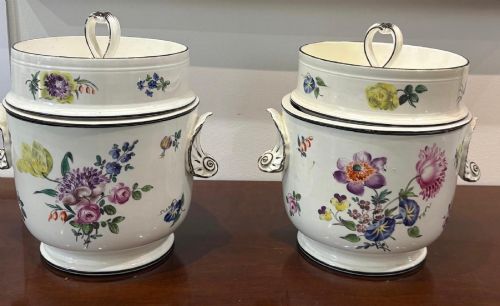
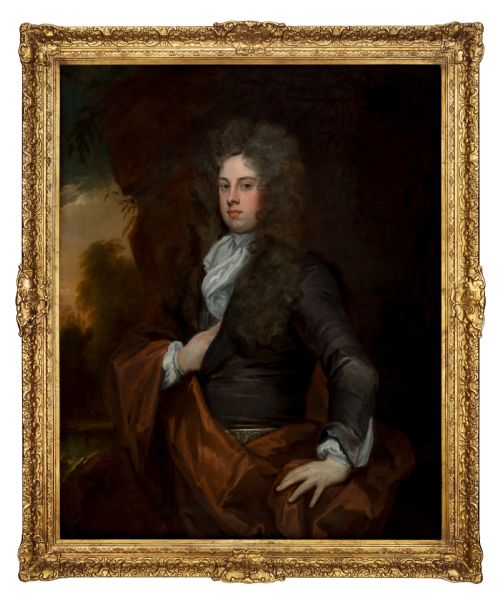
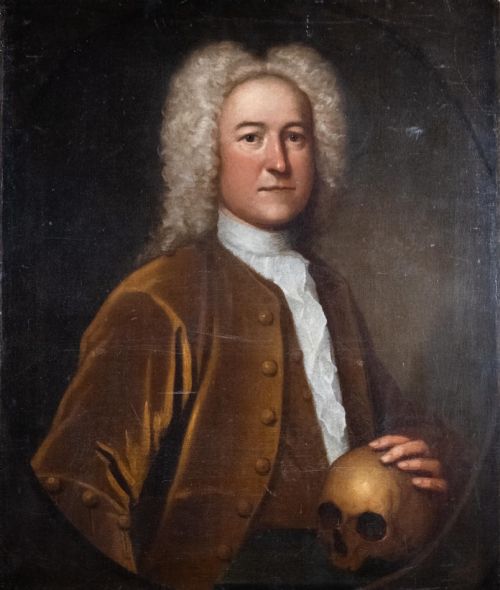
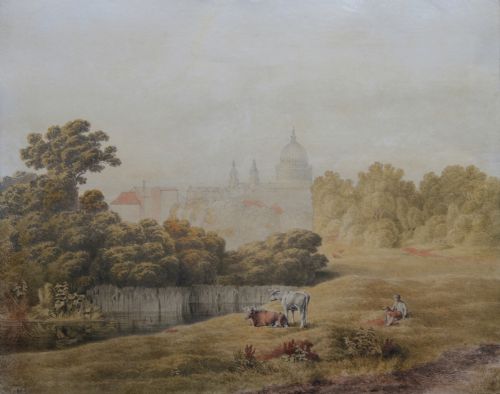
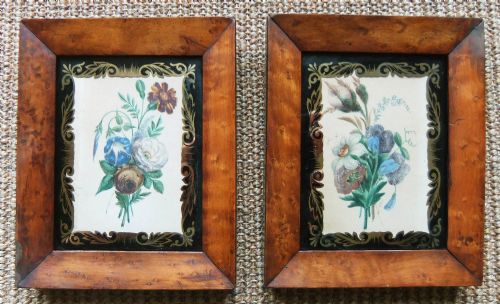
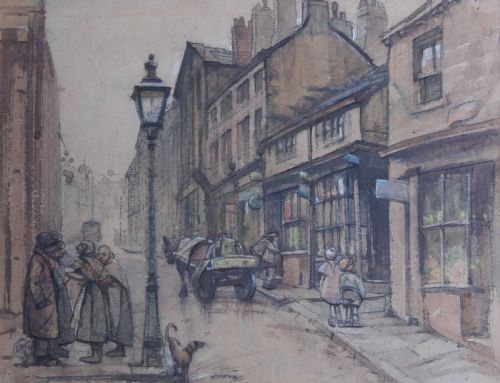
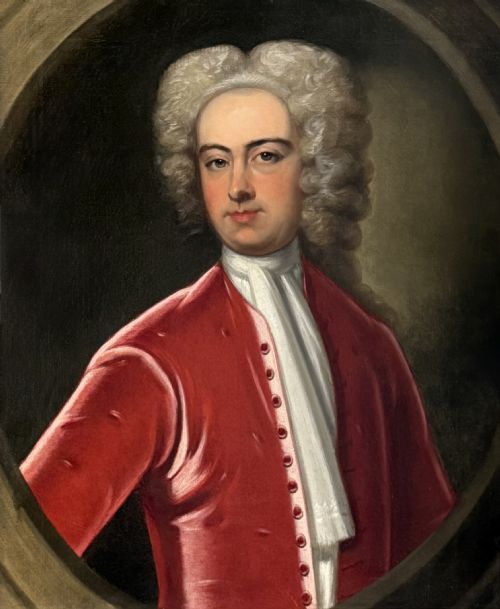
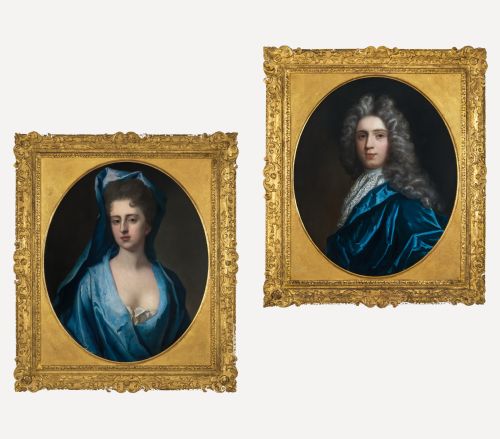
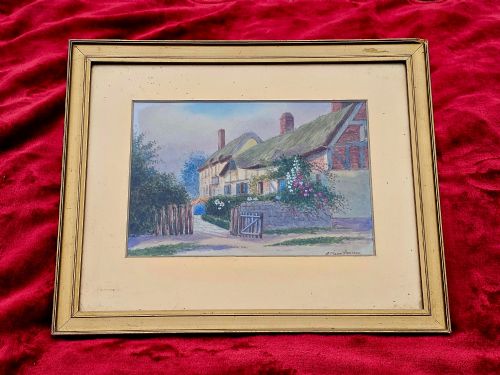
Early english painting encompasses historic canvases, framed watercolours and painted porcelain pieces dating from the seventeenth century through to the early twentieth century. When exploring early english painting, buyers encounter formal portraiture of gentlemen and ladies alongside pastoral landscapes and townscapes. The selection ranges from oil on canvas portraits to delicate watercolour views and porcelain tableware decorated with miniature landscapes.
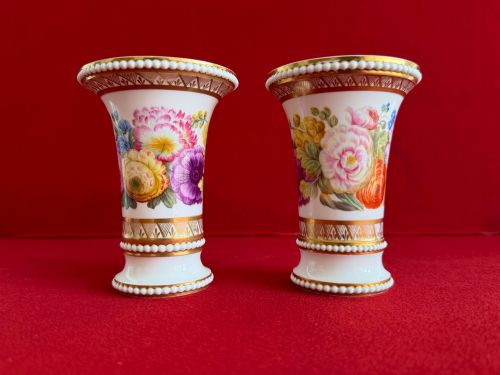
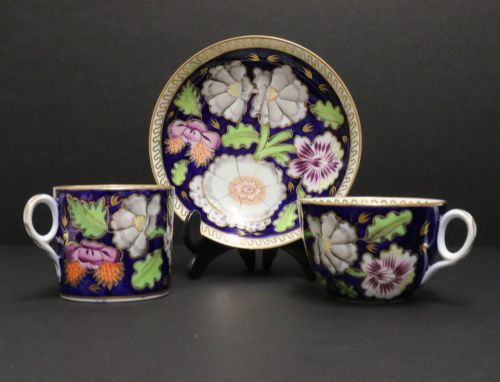
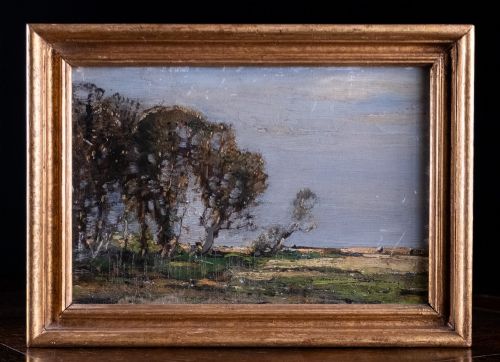
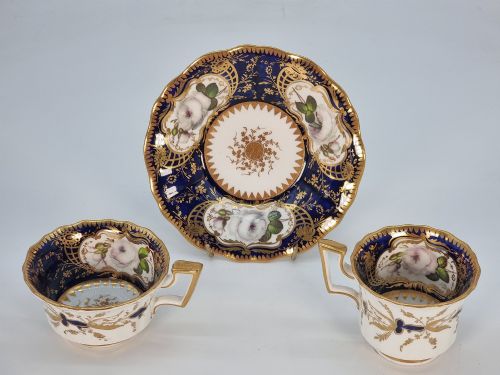
Portraits from the seventeenth and eighteenth centuries form a significant part of the tradition, often depicting sitters in formal attire. Later works shift toward British impressionism, pastoral scenes and detailed topographical watercolours. Alongside traditional fine art, related decorative objects such as painted porcelain cabinet trios and vases incorporate painted landscape scenes.
Materials and methods
Artists and makers utilised oil on canvas, wood panels and paper for watercolours, applying pigments with traditional brushes. Portraitists built up rich tones using oil paints, while watercolourists worked on paper to capture lighter atmospheric effects. Porcelain painters applied detailed enamel designs onto glazed surfaces before firing the pieces in kilns.
Gold leaf and fine ceramic bodies supported intricate decorative work on porcelain wares and framed artwork. Canvases were stretched over wooden frames, and boards provided firm foundations for panel paintings. Watercolour works were frequently protected behind glass within original or period frames.
Early English Painting Retail Price Guide 2026
Typical asking prices for early english painting among the pieces listed under this phrase on Sellingantiques today, from the lower quarter to the upper quarter. They describe what is for sale here now, not the wider market.
Materials represented include canvas, wood panel, paper, gold leaf and porcelain painted with detailed landscape scenes.
Distinctions in quality
The distinction between standard decorative items and finer works lies in the execution of the brushwork and the clarity of the composition. Skilled portraitists captured nuanced facial expressions and fabric textures with precision, whereas lesser works display stiffer handling. In porcelain pieces, finely painted landscape details and crisp moulding elevate the piece above standard factory output.
Condition and originality also separate notable examples from ordinary survivals. Works retaining their original untouched surfaces and period framing demonstrate higher integrity. Fine porcelain pieces maintain vibrant enamel colours and undamaged gilt highlights.
Michael Dahl·Thomas Murray·Charles Jervas·Adriana Verelst·Joseph Highmore
The Early English Painting Glossary
- Oil on canvas
- Pigments bound in a drying oil applied to a woven fabric support stretched across a wooden frame. This medium allowed artists to achieve deep tones and subtle blending.
- Watercolour
- A paint consisting of water-soluble pigments applied to paper. It was frequently used for landscapes and preparatory sketches.
- Cabinet trio
- A matched set comprising a teacup, coffee cup and saucer intended for display in a cabinet rather than daily use. These pieces often featured hand-painted landscape or floral decoration.
- Porcelain
- A ceramic material made by heating raw materials, generally including clay in the form of kaolin, in a kiln. It provided a smooth white ground for detailed miniature paintings.
- Provenance
- The chronology of the ownership or location of a historical object. Documented history helps confirm attribution to specific artists or schools.
Early English Painting: Frequently Asked Questions
How do I date an early oil painting?
Dating relies on examining the canvas weave, stretcher construction, pigment types and the sitter's costume style. Comparing the brushwork to known works by recorded artists provides further clarity.
Secondary clues include framers' labels, inscriptions on the reverse of the canvas and the type of nails or fixings used to secure the work.
Where were porcelain landscape scenes painted?
Landscape scenes on ceramics were typically executed at factories such as Derby, Coalport, Worcester and Minton by specialist ceramic artists. These painters often copied prints or painted from direct observation of the British countryside.
The decorated wares were then fired multiple times to fix the enamel colours and gilding onto the porcelain glaze.
How should I care for antique watercolours?
Watercolours on paper require protection from direct sunlight to prevent the fugitive pigments from fading. Displaying them away from moisture sources preserves the paper support.
Framing should utilise acid-free mounts and glass with ultraviolet protection to safeguard the delicate pigments over time.
What defines the British impressionist style?
British impressionist works focus on everyday light effects, outdoor pastoral scenes and loose brushwork rather than rigid academic detail. Artists captured shifting weather and natural scenery across rural landscapes.
This approach developed toward the end of the nineteenth century and continued into the early twentieth century.