


Early English Chair
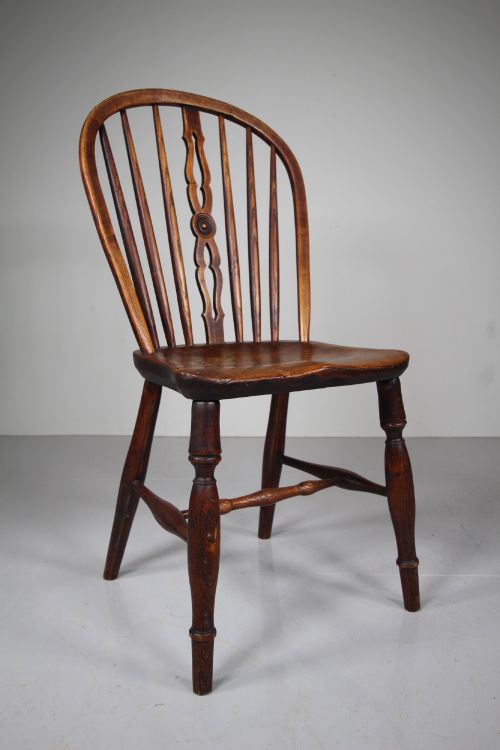
An early english chair brings centuries of timber and domestic history straight into a room, offering sturdy wainscot forms or country windsors.
Early English Chair
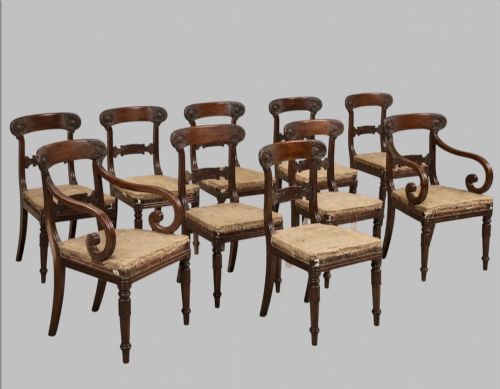
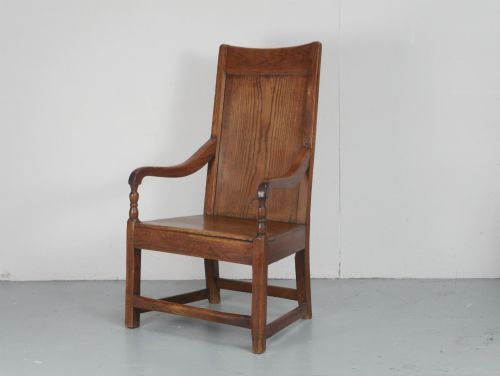
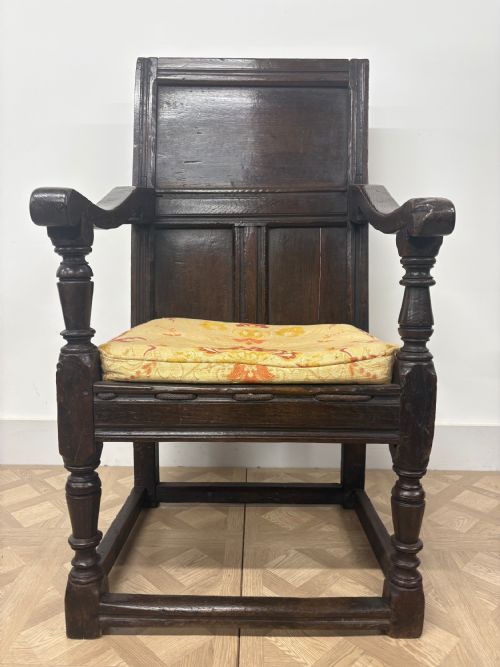
An early english chair encompasses heavy oak wainscot designs from the seventeenth century through to lighter elm and ash provincial windsor seating of the nineteenth century. Buyers seek these forms to anchor a room with authentic historical weight and vernacular character.
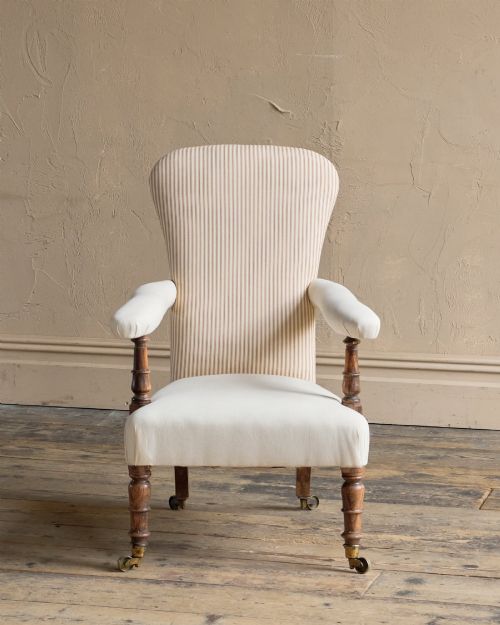
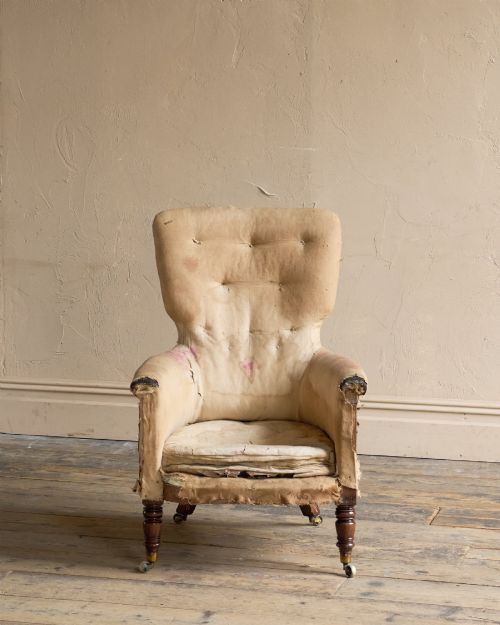
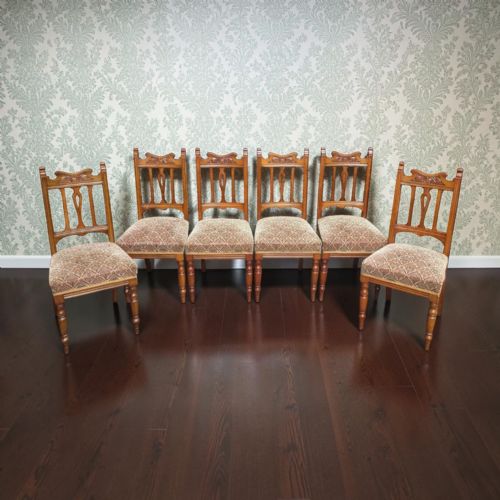
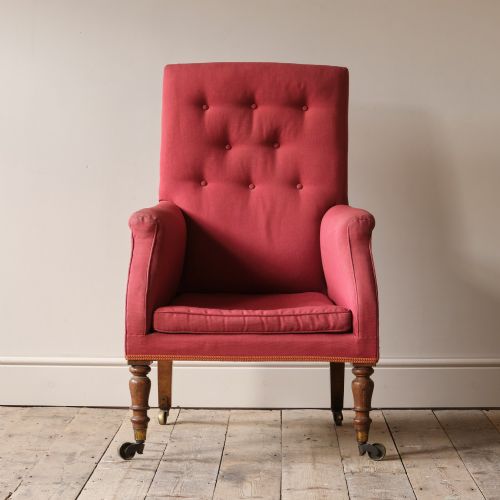
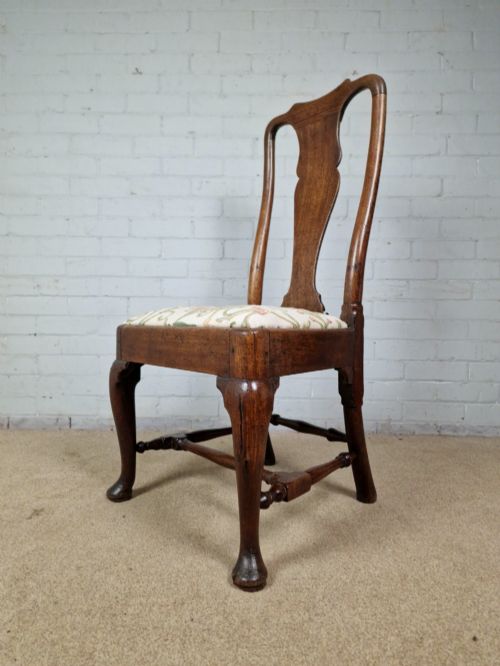
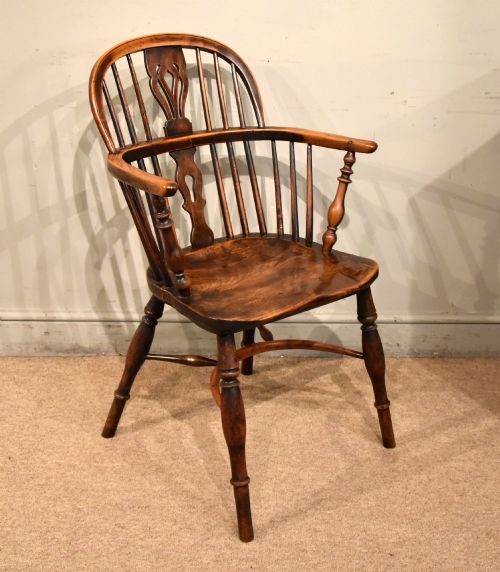
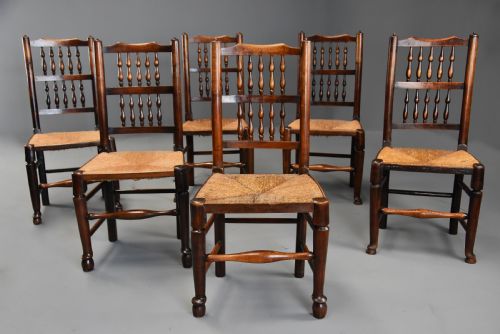
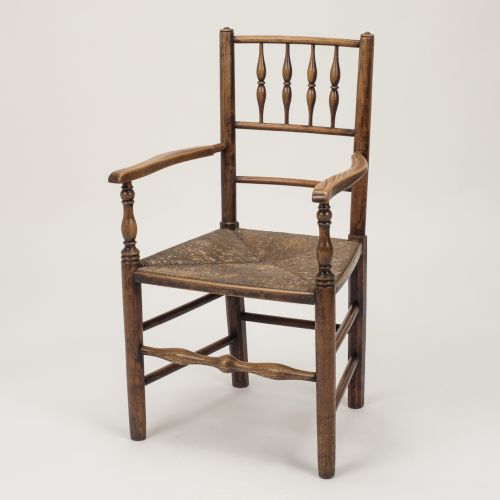
The options span formal walnut dining seats from the queen anne and georgian periods alongside country armchairs, rush-seated side chairs, and heavy library seating. Windsor armchairs in yew and fruitwood appear frequently, representing the provincial domestic seating tradition.
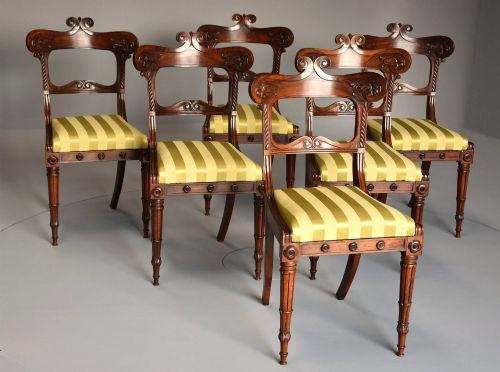
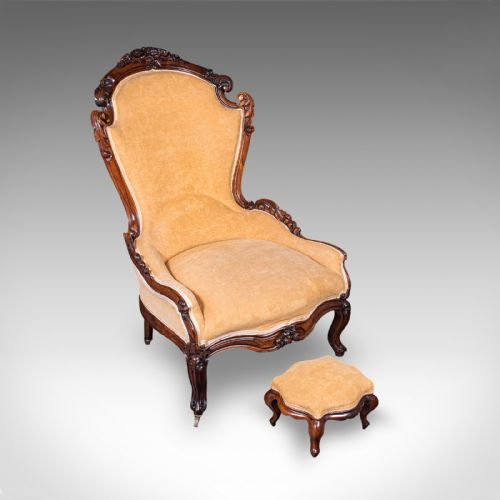
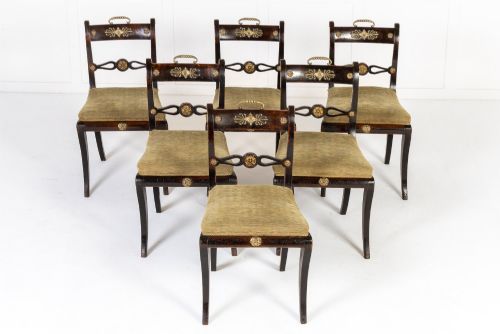
Early periods are represented by solid oak box chairs and wainscot models originating from regional workshops in lancashire and cheshire. Later pieces shift into regency and early victorian parlours with rosewood, mahogany, and brass inlaid side chairs.
Materials and Construction
Makers relied on native timbers such as oak, elm, ash, and yew, matched with walnut and rosewood for formal urban commissions. Joinery techniques involved pegged mortise and tenon joints for heavy wainscot frames and steam-bent hoops for provincial windsor chairs.
Seating surfaces often utilised solid timber planks, woven rush drops, or drop-in pads upholstered in fabric. Metal elements like brass accents and crinoline stretchers provided structural reinforcement and decorative contrast against dark woods.
Early English Chair Retail Price Guide 2026
Typical asking prices for early english chair among the pieces listed under this phrase on Sellingantiques today, from the lower quarter to the upper quarter. They describe what is for sale here now, not the wider market.
Certain windsor armchairs feature crinoline stretchers shaped specifically to keep skirts clear of damp floors.
Evaluating the Range
Quality rests in the survival of original timber surfaces, honest patination, and structural integrity without excessive replacement parts. Provincial windsor models show distinction in the turning of spindles, the width of arm bows, and the grain selection in yew and elm.
Formal walnut and oak chairs demonstrate mastery through carved splats, crisp joinery details, and untouched block underframing. Pieces that retain their original rush seats or early finish carry greater historical integrity than heavily restored examples.
M D Miller and Sons·Howard and Sons·Gillows
The Early English Chair Glossary
- Wainscot chair
- A heavy wooden armchair of seventeenth-century origin, constructed with panelled backs and solid timber seats.
- Windsor chair
- A provincial seating form featuring a solid wooden saddle seat into which legs and spindle backs are wedged.
- Crinoline stretcher
- An arched metal or wooden brace connecting the legs of a chair to provide lateral stability.
- Rush seat
- A seating surface woven from dried marsh grasses, common in country and vernacular chairs.
- Drop-in seat
- A removable frame upholstered separately and dropped into a recess in the chair rail.
Early English Chair: Frequently Asked Questions
How do I identify a 17th-century wainscot chair?
Seventeenth-century wainscot chairs are constructed from heavy oak with solid panelled backs and pegged joints. They reflect architectural joinery techniques of the period.
Look for evidence of hand-split timber, period tool marks, and dense structural weight typical of early English domestic furniture.
What woods were used for windsor chairs?
Windsor chairs typically combine multiple native timbers selected for specific structural properties. Elm and ash commonly form the seats and bending parts.
Yew wood frequently appears in finer provincial windsor armchairs for its rich grain and strength in turned spindles.
Are rush seat chairs durable for daily use?
Rush seats woven from marsh grasses offer surprising resilience when kept in stable indoor environments. They support regular sitting if protected from damp conditions.
Over decades, original rush may require re-weaving by a traditional specialist to maintain structural support.
How do I care for antique oak chairs?
Antique oak benefits from occasional applications of traditional beeswax to nourish the timber and preserve the surface patina. Avoid modern silicone polishes.
Keep wooden chairs away from direct heat sources and drastic humidity swings to prevent timber splitting.