




Early Chinese Ceramics
Early chinese ceramics span centuries of kiln craft, offering collectors functional vessels and figures shaped in porcelain and earthenware.
Early Chinese Ceramics
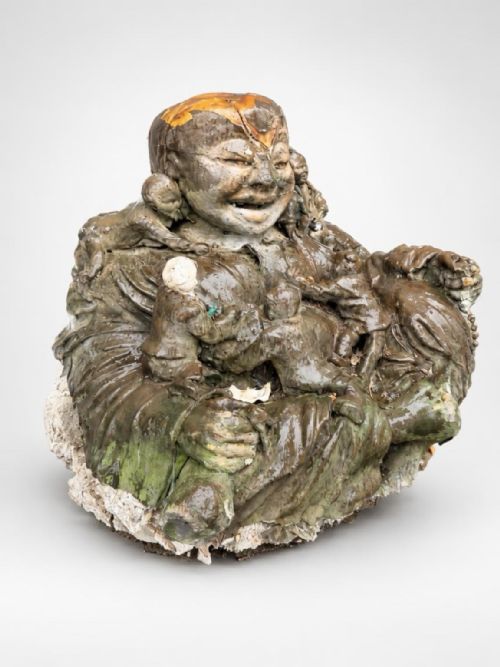
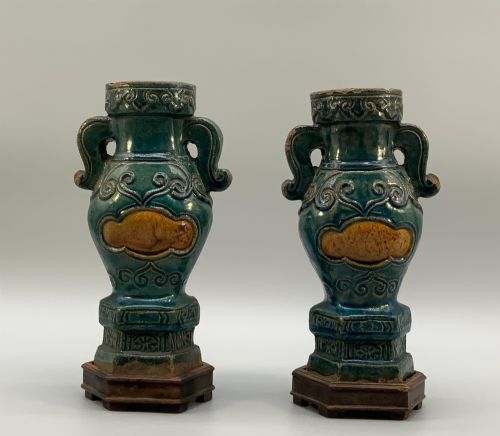
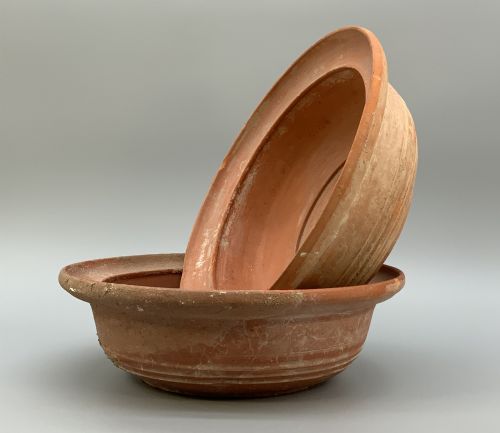
Early chinese ceramics encompass pieces spanning dynasties from the Han era through to the early republic period. Collectors encounter forms ranging from archaic tripod censers and scholar's water vessels to ginger jars and brush pots.
The material record on this page relies primarily on porcelain and earthenware, supplemented by lead glazes and cobalt underglaze decoration. Many historic vessels have found new life as table lamps while retaining their original ceramic bodies.
Methods and materials
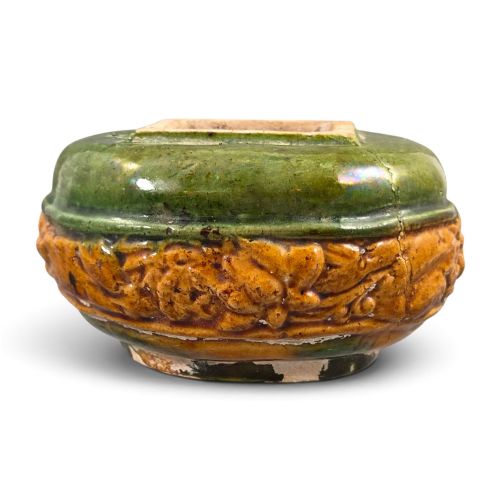
Potters shaped clay bodies using local earthenwares and fine porcelains, applying lead glazes, cobalt underglaze, and enamel pigments to decorate the surfaces. Kiln temperatures and oxygen control determined whether a glaze turned turquoise, amber, powder-blue, or celadon.
Specialised techniques included reticulated piercing, copper-red painting, and fine throwing on the wheel for scholar's vessels and vases. Artisans also utilised gold leaf and wood fittings for later adaptations.
Early Chinese Ceramics Retail Price Guide 2026
Typical asking prices for early chinese ceramics among the pieces listed under this phrase on Sellingantiques today, from the lower quarter to the upper quarter. They describe what is for sale here now, not the wider market.
The listings span multiple centuries of production, recording materials such as porcelain, earthenware, lead glaze, and cobalt underglaze across various dynasties.
Assessing quality
Quality rests upon the crispness of the potting, the control of the kiln glaze, and the precision of the painted or incised details. Early pieces with stable, even glazes and well-defined forms stand apart from later derivations.
The refinement of the body clay and the subtlety of colour variation, such as deep celadon or balanced turquoise tones, mark the division between standard utility items and masterworks.
C.J. Mason
The Early Chinese Ceramics Glossary
- Bitong
- A cylindrical brush pot used by scholars for holding writing brushes. These vessels often feature blue and white painting or carved decoration.
- Celadon
- A transparent green glaze over a pale grey or white body, creating a jade-like appearance. It developed through controlled reduction firing in the kiln.
- Guanyin
- The bodhisattva of compassion, frequently depicted in white blanc de chine porcelain from Dehua. Figures often include symbolic attributes like a fish basket.
- Kangxi period
- A pivotal era of Qing dynasty porcelain production associated with vibrant blue and white pigments and refined potting. Pieces from this time display high technical mastery.
- Reticulated
- Pierced or openwork decoration cut through the outer wall of a vessel to reveal an inner core. This demanding technique appears on baskets and decorative pieces.
Early Chinese Ceramics: Frequently Asked Questions
What defines early chinese ceramics?
Early chinese ceramics comprise pottery, porcelain vessels, and figures produced across various dynasties including Han, Ming, and Qing. They include functional objects like teapots and brush pots alongside decorative vases and bowls.
Materials range from coarse red earthenware to refined white porcelain, often finished with cobalt underglaze, monochrome glazes, or enamel decoration.
How were scholar's objects used?
Scholar's objects such as brush pots and water vessels were functional tools utilised in traditional Chinese literati studies for writing and painting. They were designed to sit on desks alongside inkstones and brushes.
These items reflect the refined tastes of scholars through subtle forms, celadon glazes, or intricate blue and white painting.
Can I use ceramic lamps safely?
Many historic ceramic vessels have been converted into table lamps over the decades to suit modern interiors. These pieces retain their antique bodies while incorporating electrical fittings.
Positioning them away from high-traffic areas ensures the antique ceramic body remains protected while providing ambient lighting.