
Early Brass Lighting
Early brass lighting brings historical warmth into a room through enduring metalwork ranging from seventeenth-century chambersticks to twentieth-century chandeliers.
Early Brass Lighting
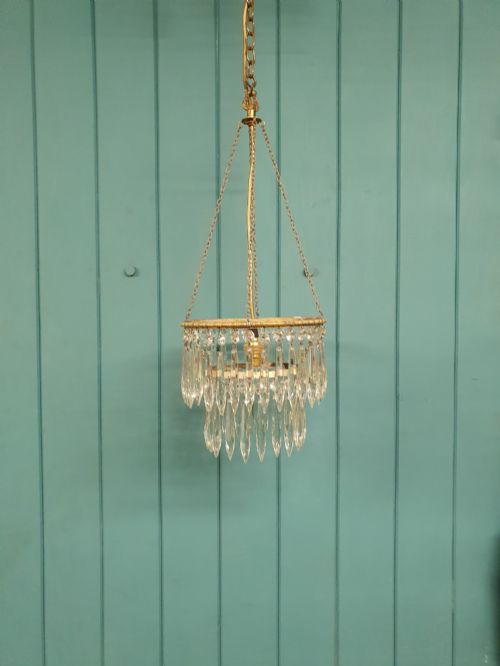
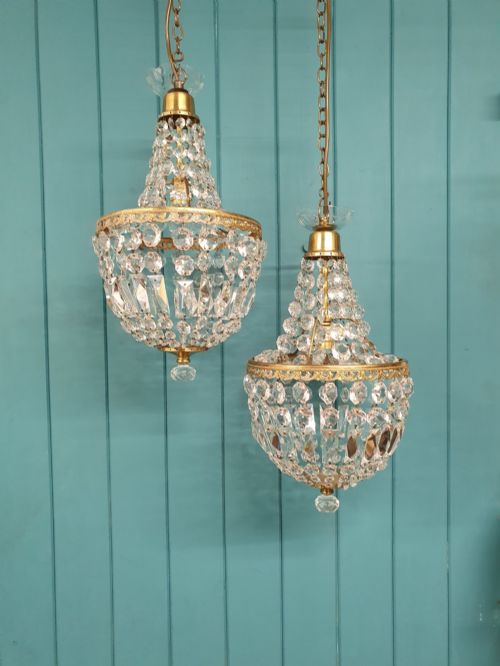
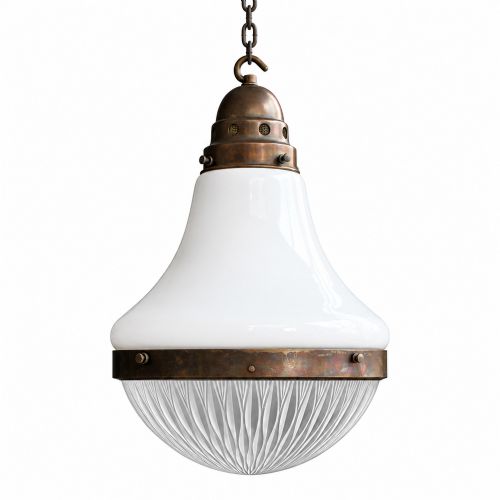
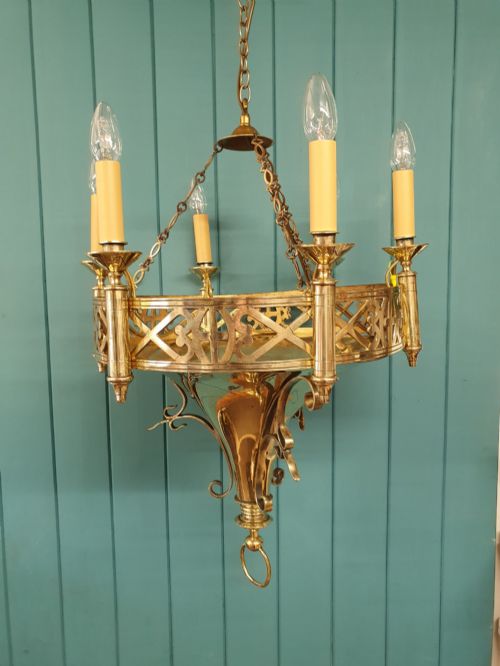
Early brass lighting covers a broad spectrum of domestic illumination, stretching from utilitarian candlesticks of the seventeenth and eighteenth centuries to elaborate twentieth-century crystal chandeliers and industrial ceiling fixtures.
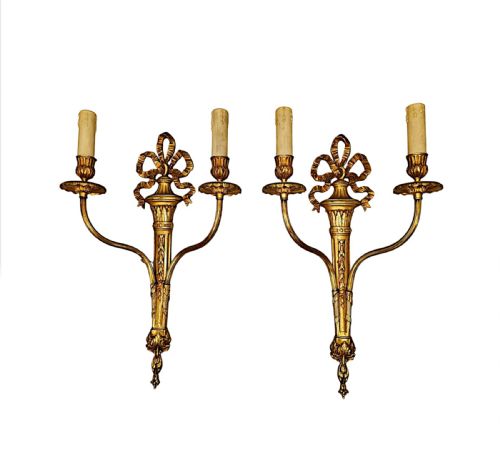
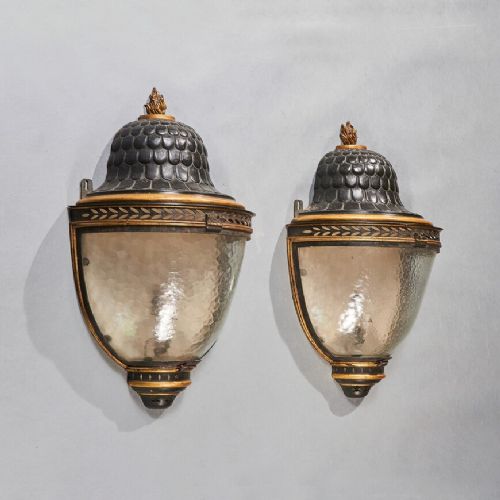
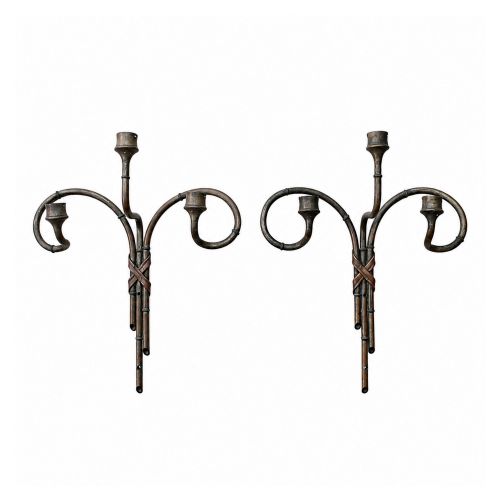
The objects seen most frequently in this category include cast brass candlesticks, wall sconces, and hanging lanterns from the Edwardian era and the early twentieth century.
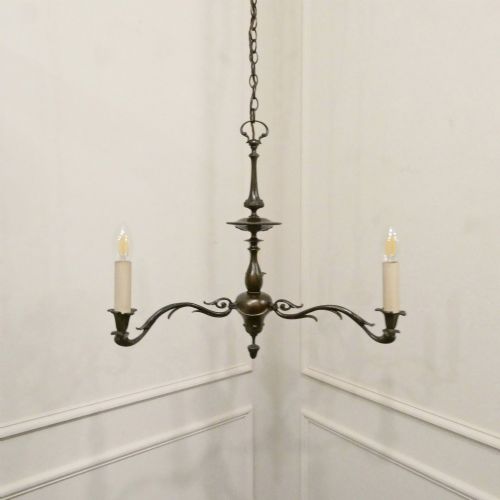
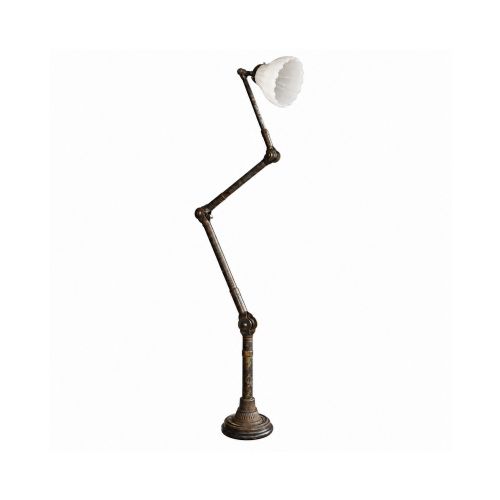
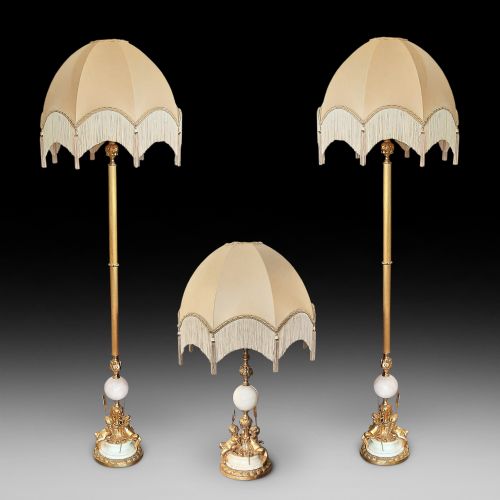
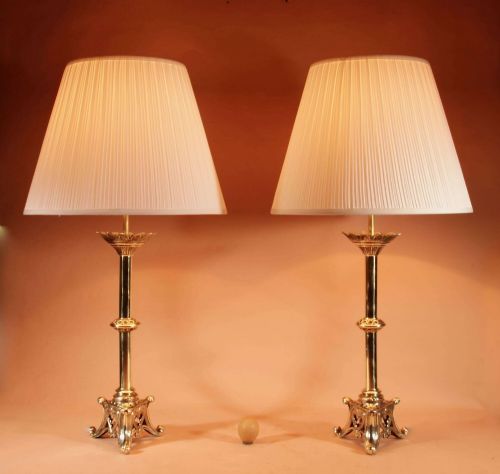
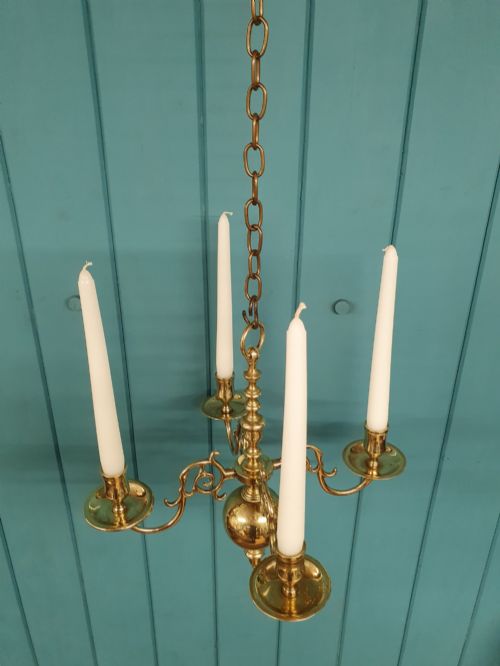
Form follows function closely across the period, moving from simple domestic candleholders designed for portability to wired electric table lamps, desk lamps, and multi-arm chandeliers.
Materials and construction methods
Metalworking techniques rely heavily on casting, turning, and hammering, with brass, gilt bronze, and patinated metal forming the primary structural components for bodies, stems, and arms.
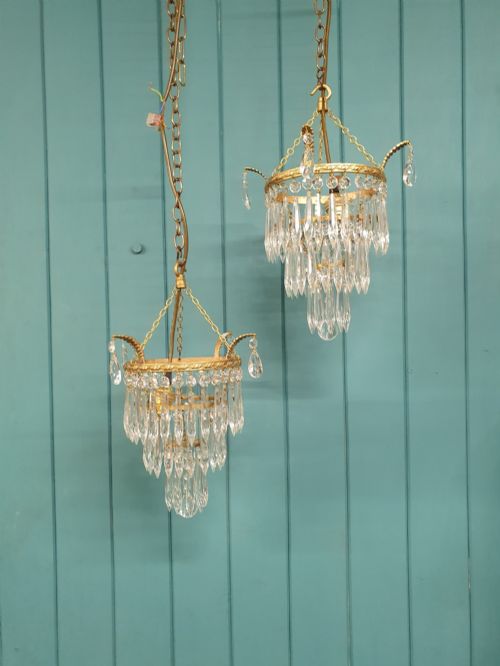
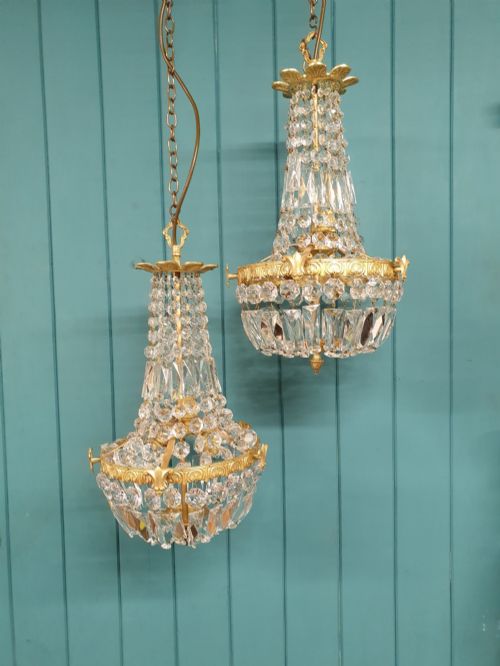
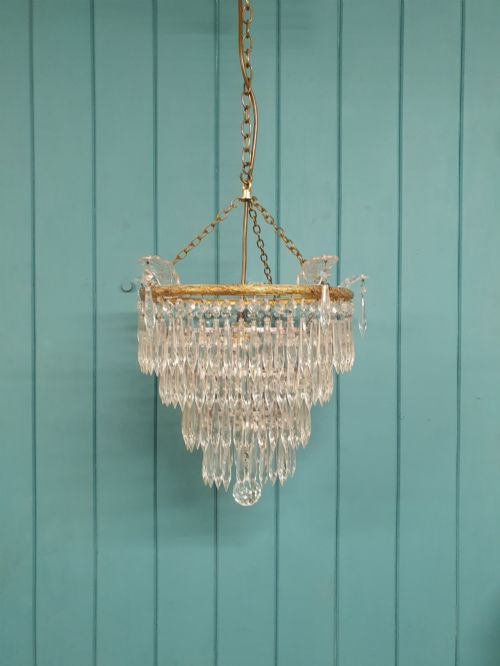
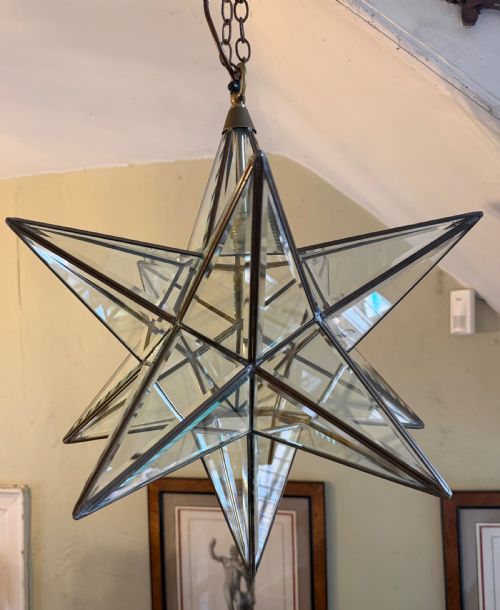
Glass elements such as cut crystals, moonstone shades, bevelled panels, and coffin prisms are integrated into frames to refract and diffuse light from candles or early electric bulbs.
Secondary materials like fabric, leaded stained glass, and painted metal surfaces appear alongside the metal framework to alter the quality and colour of the illumination.
Listings span centuries of production, recording seventeenth-century Dutch candlesticks alongside Edwardian cut glass chandeliers and 1930s industrial fixtures.
Distinctions in craftsmanship and design
The standard of a piece is determined by the crispness of the casting detail, the weight of the metal utilised, and the hand-finishing applied to surfaces before patination.
Superior examples retain original components, such as matching crystal prisms, authentic period shades, and uncompromised structural joins that speak to the original maker's intent.
The Early Brass Lighting Glossary
- Chamberstick
- A low portable candlestick fitted with a pan to catch dripping wax and a looped handle for carrying around a house.
- Heemskerk candlestick
- A heavy seventeenth-century Dutch or Northern European brass candlestick featuring a prominent central drip drip-pan on a multi-tiered base.
- Plafonnier
- A ceiling-mounted bowl light or flush fixture, often fashioned from cut glass or moonstone glass.
- Crusie lamp
- An open-vessel oil lamp, typically forged from iron or bronze, used for burning animal fat or vegetable oil.
- Gilt bronze
- Metal cast in bronze or brass and treated with a layer of gold leaf or gold wash, also known asormolu.
Early Brass Lighting: Frequently Asked Questions
How do I clean antique brass?
Antique brass benefits from gentle dusting with a soft, dry cloth rather than aggressive polishing, which can strip away desirable age patina.
Avoid chemical cleaning agents unless absolutely necessary, as they remove the historical surface oxidation that collectors value.
Were these lights converted to electricity?
Many items originating from the candle or oil eras, such as candlesticks and lanterns, have been adapted for modern electrical wiring.
Such conversions allow historical metalwork to function safely in contemporary interiors while retaining their original aesthetic form.
How can I date early brass?
Dating relies on observing manufacturing techniques, such as the transition from hand-cast sand moulds to machine-turned components, alongside stylistic markers of specific periods.
Form, weight, and assembly methods provide reliable clues to whether a piece belongs to the seventeenth century or the Edwardian era.
Where should I place a chandelier?
Chandeliers suit dining areas, hallways, or high-ceilinged rooms where their scale and reflective glass components can catch natural and artificial light.
Ensure adequate hanging clearance and proportionate sizing relative to the room dimensions for the best visual balance.