


Early 20th Century Shelving
Early 20th century shelving brings honest utility and strong period character to a room, offering sturdy timbers and clever compartments for modern collections.
Early 20th Century Shelving
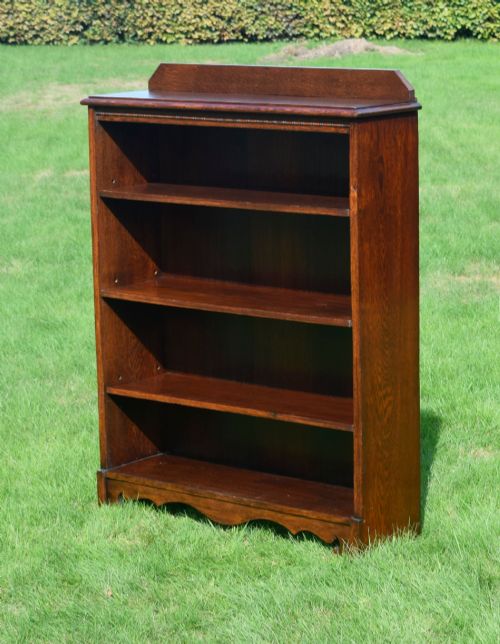
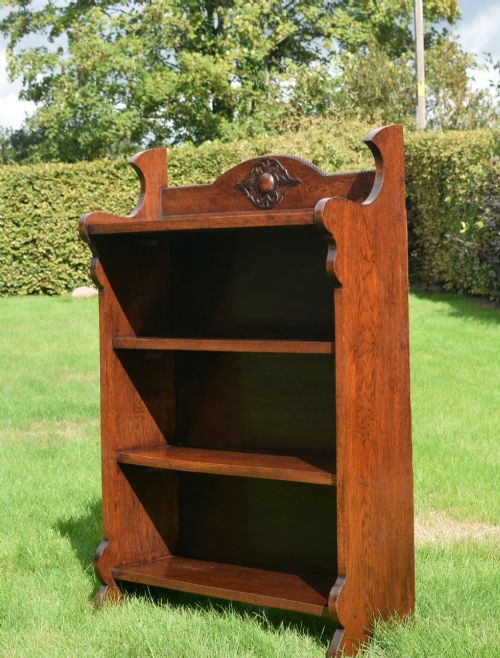
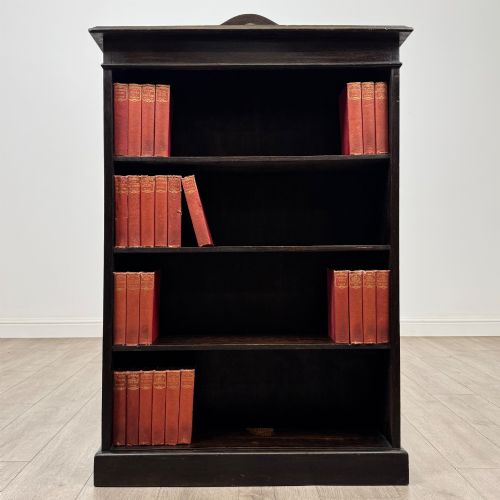
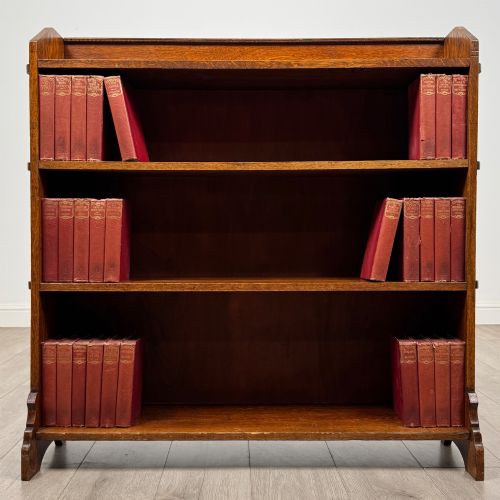
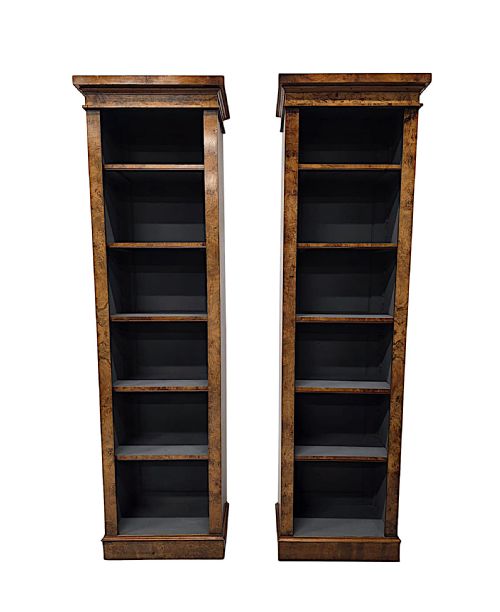
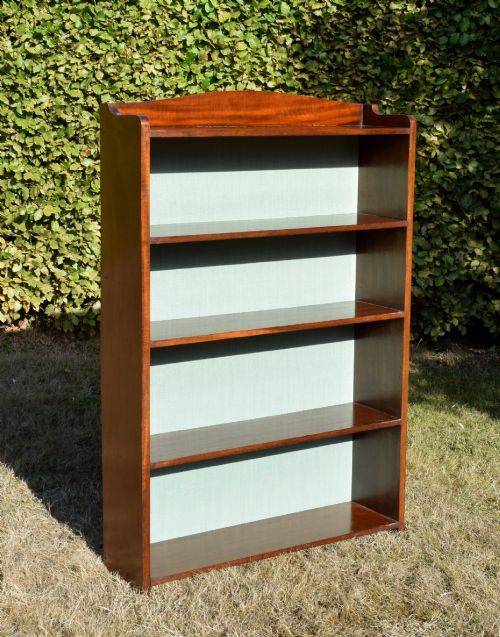
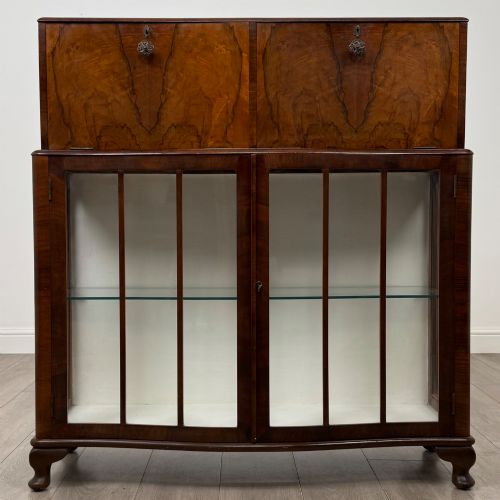
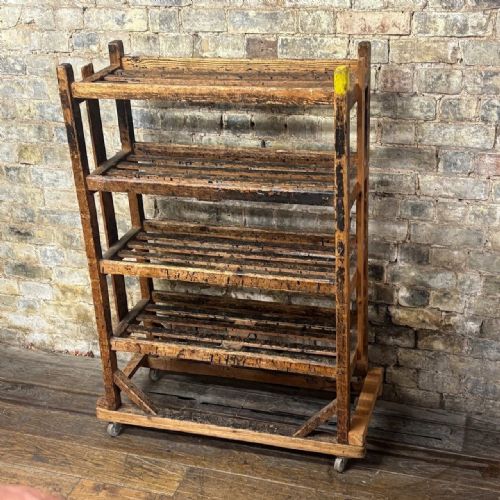
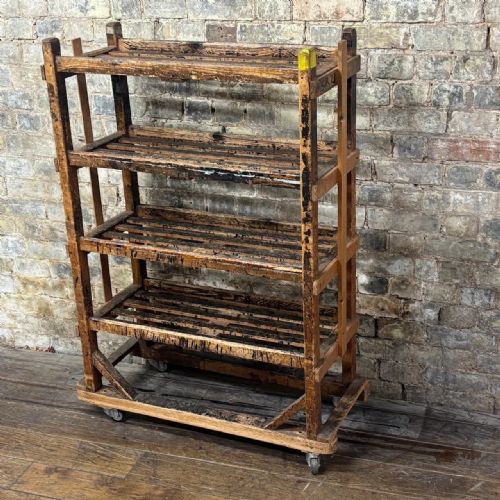
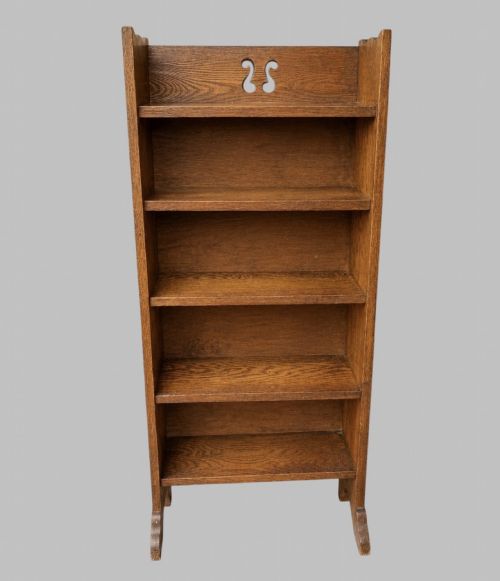
Early 20th century shelving covers a diverse range of practical storage forms, from open bookcases and modular stacking units to specialised sorting compartments and display cabinets. Buyers seeking early 20th century shelving will frequently encounter open oak bookcases and industrial shoe trolleys alongside fitted cabinets and pine kitchen units.
The material palette spans standard British hardwoods like oak and mahogany to exotic veneers such as burr walnut and satin birch, alongside utilitarian slate, iron, brass, and glass. Stylistic influences vary widely across the period, touching upon Edwardian practicality, Arts and Crafts simplicity, Art Deco geometry, and utilitarian industrial design.
Regional and international varieties also appear, including Swedish birch bookcase cabinets, French bread racks, and Chinese display cabinets. These pieces demonstrate how diverse domestic and commercial requirements shaped furniture production between 1900 and 1930.
Materials and construction methods
Cabinetmakers and industrial manufacturers relied heavily on solid oak, pine, and mahogany for structural integrity, utilising durable timbers capable of bearing heavy loads of books or goods. Figured veneers like burr walnut and satin birch were applied to display surfaces to provide striking grain patterns and visual depth.
Hardware played a functional role in construction, with brass and iron fixtures supporting adjustable shelves, glazed doors, and modular stacking systems. Industrial pieces incorporated robust iron frames and slate surfaces designed for intensive commercial use rather than domestic display.
French bread racks have traded flour for books, proving good iron and wood are fit for any carb.
Factors that separate standard pieces from the finest examples
Quality in early 20th century shelving rests on the selection of timber and the precision of the joinery, distinguishing utilitarian storage from refined cabinetmaking. Pieces utilising highly figured burr walnut, rich mahogany, or quartersawn oak demonstrate superior material selection by the maker.
Refinement in design details, such as decorative cut-outs on Arts and Crafts pieces or balanced proportions on slim bookcases, elevates a piece above standard utility items. The integration of original brass hardware, clean glazing, and sound structural integrity preserves the intended aesthetic and function.
SANDBERG & CO
The Early 20th Century Shelving Glossary
- Open Bookcase
- A piece of furniture designed for storing books without front doors, allowing direct access to the volumes inside. These units are common across Edwardian and later periods.
- Pigeon Holes
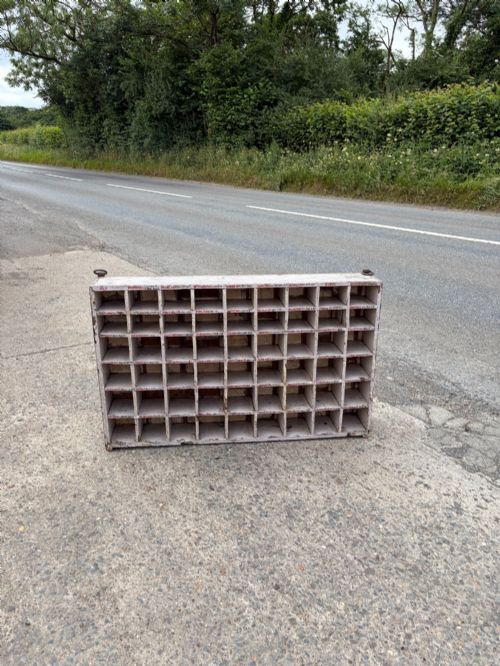
- A grid of small, open compartments intended for sorting post, documents, or small items. They are frequently found in industrial and office contexts from the early 20th century.
- Etagere Unit
- An open piece of furniture featuring multiple tiers for displaying ornaments or small objects. It relies on slender supports rather than heavy enclosed sides.
- Globe-Wernicke-Style
- A modular bookcase design featuring stacking sections with glass doors that lift and slide inward. This style gained popularity for its adaptability and office practicality.
- Boulangers Bread Rack
- A commercial storage unit originating in France, constructed with sturdy shelving for cooling or storing loaves. These racks often combine metal frames with wooden shelves.
Early 20th Century Shelving: Frequently Asked Questions
How do I clean early 20th century wood shelving?
Dust regularly with a soft, dry cloth to prevent buildup in carved details and joints. Avoid modern silicone sprays, which can damage aged polishes and veneers.
Feed the timber periodically with a quality beeswax to maintain the moisture and lustre of woods like oak, walnut, and mahogany.
Are these shelves strong enough for heavy books?
Most pieces constructed from solid oak, mahogany, or pine feature sturdy joinery built to support substantial weight. Modular stacking designs and industrial trolleys are particularly robust.
Check the thickness of the shelves and the condition of the supports before loading delicate or exceptionally heavy volumes.
How do I identify an Edwardian bookcase?
Edwardian bookcases often feature light oak construction, clean lines, and restrained ornamentation that reflect early 20th-century practicality. They frequently incorporate adjustable shelving and simple glazed doors.
Look for period hardware such as brass handles and hinges which match the manufacturing techniques of the era.
Can industrial shelving suit a modern home?
Industrial items like shoe trolleys and slate shelving introduce robust textures and practical utility to contemporary spaces. Their utilitarian origins contrast well with softer domestic interiors.
Ensure the metal and wood surfaces are sealed properly to prevent snagging fabrics or marking interior floors.