


Early 20th Century Plaque
These early 20th century plaque examples span trade signs, commemorative pieces, and fairground panels, offering distinct decorative character for a wall.
Early 20th Century Plaque
When you search for an early 20th century plaque, you encounter a remarkably broad category that bridges domestic commemoration, retail trade, and folk art. The objects take many forms, from advertising signs and taxidermy mounts to architectural salvage and carved carousel panels.
The material palette is equally varied, moving from vitreous enamel and sheet metal to wood, porcelain, and white metal. You are just as likely to find a pictorial enamel sausage sign as a carved wooden fairground piece or a commemorative royal plaque.
Most pieces date from the 1900s through the 1930s, encompassing Edwardian sensibilities alongside later commercial graphics. Chinese export items and European trade signs sit side by side in this diverse group.
Materials and construction methods
Vitreous enamel signs utilise iron or sheet metal bases fused with powdered glass through high-temperature firing, creating durable surfaces suited to exterior trade use. Advertising plaques rely heavily on this technique to maintain bright colour and resist weathering outdoors.
Wood construction appears frequently in carved trade signs, fairground carousel panels, and architectural moulds. Artisans shaped oak and painted softwoods using hand tools, frequently finishing surfaces with oil paint, gilt, or applied details.
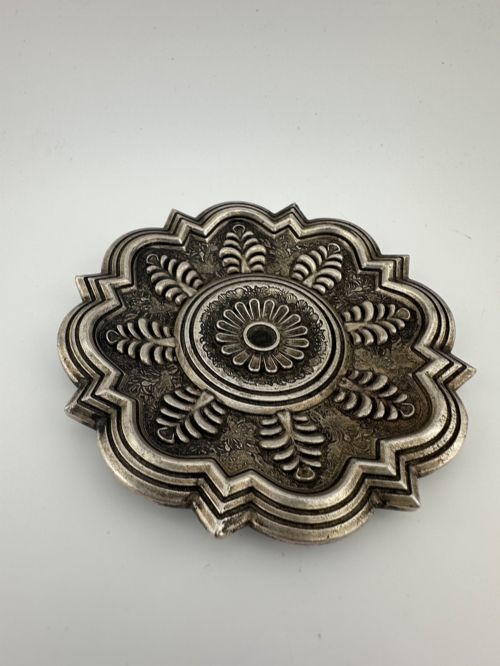
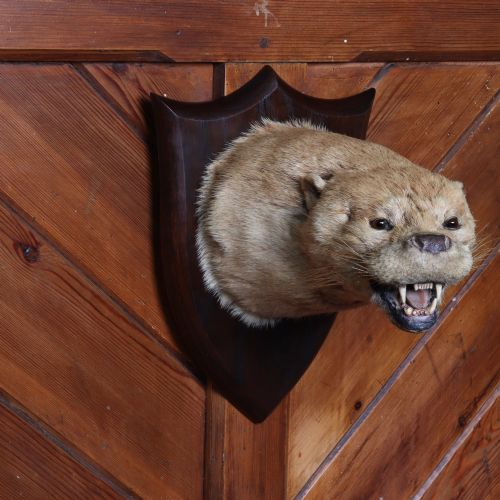
Metalwork spans cast bronze, white metal, and pressed sheet metal. Items such as Art Nouveau decorative dishes and animal taxidermy mounts incorporate specialised foundry work, taxidermy preservation techniques, and secure wooden backing shields.
Object forms include pictorial advertising signs, architectural moulds, taxidermy mounts, fairground panels, and commemorative royal plaques.
Markers of distinction and manufacture
Quality in these pieces rests primarily on the crispness of the manufacture and the survival of the original surface finish. Enamel signs with deep, saturated glazing and minimal loss display superior initial production standards.
Hand-carved wooden panels and fairground items derive their standing from the skill of the artisan's hand in forming fluid lines and expressive motifs. Crisp detailing in cast metal plaques and taxidermy mounts similarly elevates the piece above standard commercial output.
The integrity of the original paint, whether on trade signage or commemorative porcelain, dictates the visual impact. Patina accumulated through genuine use adds depth, provided the underlying structure remains sound and unaltered.
Peter Spicer and Sons·WMF
The Early 20th Century Plaque Glossary
- Vitreous Enamel
- A material created by fusing powdered glass to a substrate, usually metal, by firing at high temperature. This process produces a glossy, hard-wearing surface impervious to many environmental factors.
- Trade Sign
- A board, plaque, or sculptural object displayed outside a shop or business to advertise wares or services. These items rely on bold graphics and recognizable imagery.
- Carousel Panel
- A carved and painted wooden section removed from a fairground ride. They frequently depict animals or decorative motifs in dynamic styles.
- Taxidermy Mount
- The preservation and display of an animal's skin on a supportive form, often mounted to a wooden shield for wall hanging. These pieces combine natural history with decorative taxidermy craftsmanship.
- Sheet Metal
- Metal formed into thin, flat pieces by industrial processes. It serves as a lightweight base for painted advertising and pictorial wall displays.
Early 20th Century Plaque: Frequently Asked Questions
What is an early 20th century plaque?
These items comprise a wide selection of wall-mounted objects produced between 1900 and 1930, including advertising signs, trade boards, commemorative pieces, and carved wooden panels.
They reflect the commercial, decorative, and folk art traditions of the Edwardian era and the interwar period.
How were enamel advertising signs used?
Retailers mounted these durable vitreous enamel plaques on exterior shop walls and interior spaces to promote goods ranging from sausages to footwear.
The fired glass finish protected the vibrant lettering and pictorial designs from weather damage over decades of service.
How do I hang a heavy metal plaque?
Due to the substantial weight of iron, sheet metal, and wood backing boards, secure wall fixings directly into structural studs or masonry are essential.
Using appropriate brackets or concealed mounting wires ensures the piece remains stable and safe on display.
How do I date an antique sign?
Stylistic indicators such as typography, Art Nouveau motifs, and construction materials like sheet metal or early vitreous enamel help determine the manufacturing era.
Maker marks, brand histories, and commemorative subjects like royal jubilees also provide precise chronological markers.