
Early 20th Century Paper
Early 20th century paper encompasses original watercolours, drawings, etchings, posters, and design artwork carrying the distinct visual language of the period.
Early 20th Century Paper
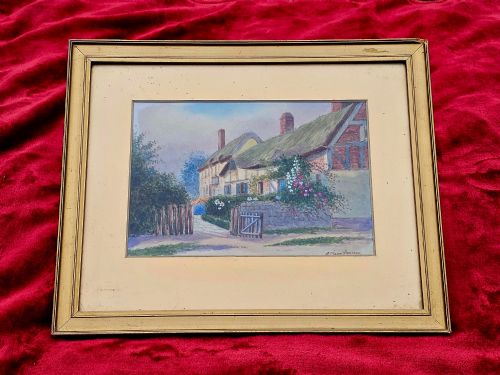
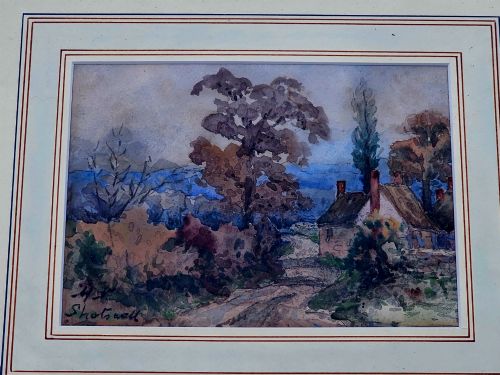
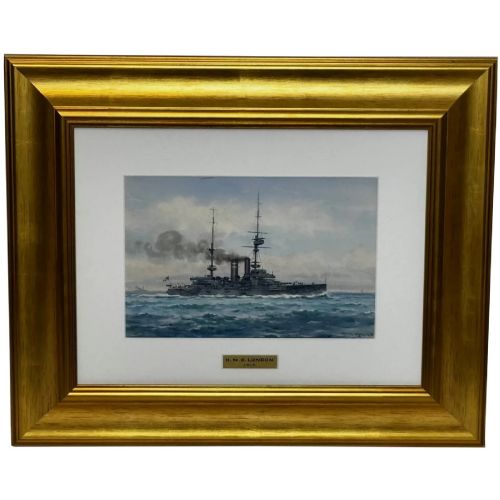
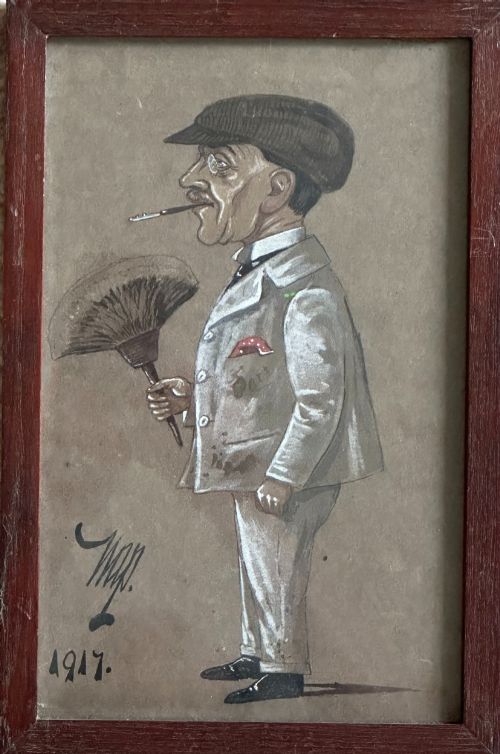
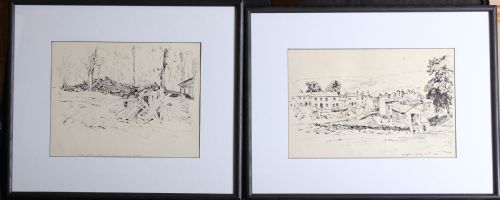
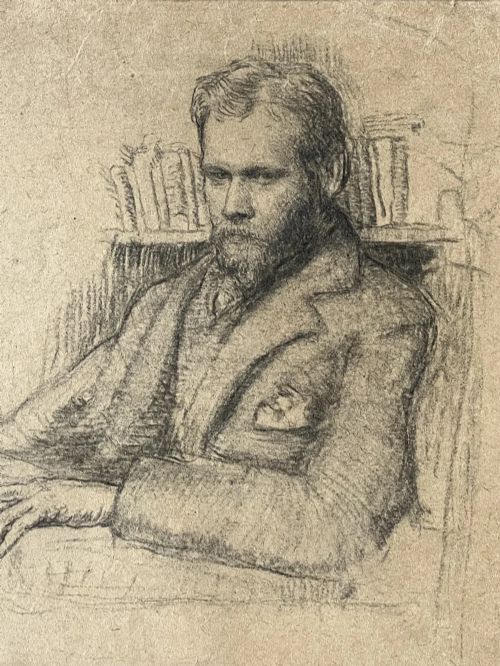
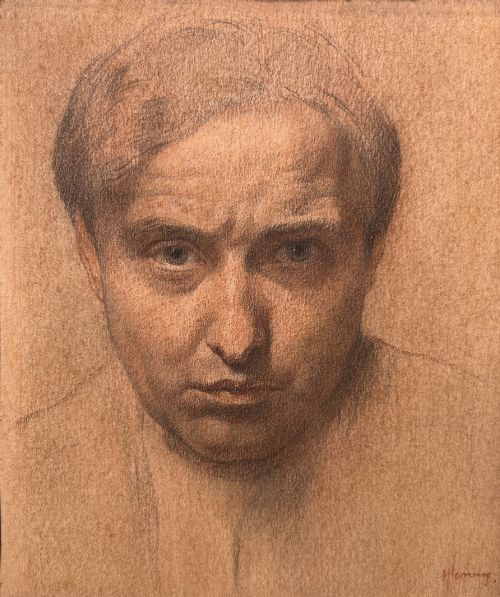
When searching for early 20th century paper, buyers encounter a diverse selection of works on paper spanning paintings, watercolours, prints, and posters from the 1900s through the 1950s. The category covers landscapes, maritime scenes, town views, and portrait studies produced across Edwardian, Art Deco, and British Impressionist traditions.
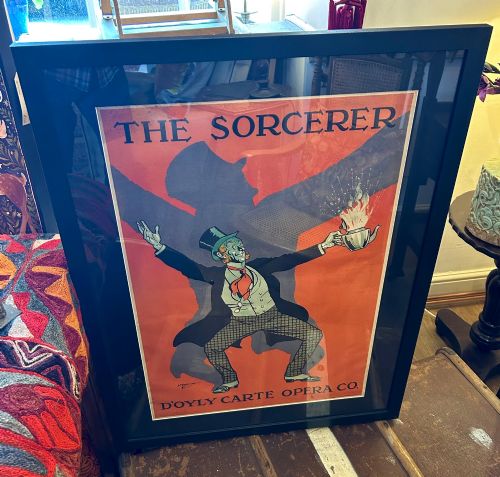
The pieces most frequently met on this page include original landscape watercolours and ink drawings by British artists, alongside vintage posters and decorative wallpaper designs. Works range from intimate domestic sketches to larger marine and architectural compositions.
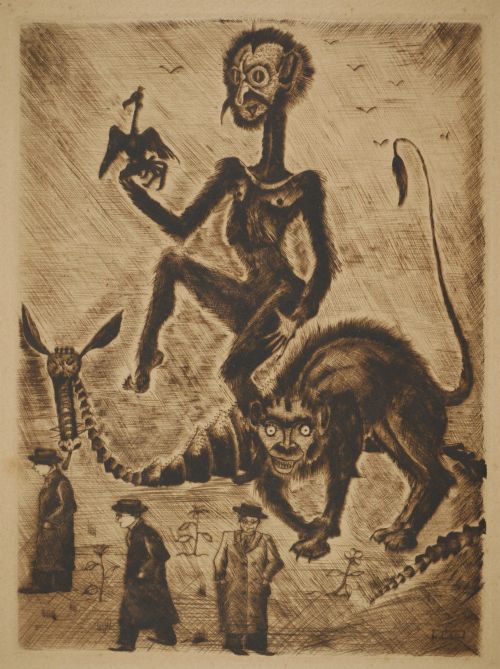
Originating from British, French, and international studios, these works reflect the shifting aesthetic movements of the era, moving from traditional realism towards surrealism, cubism, and avant-garde printmaking.
How they were made
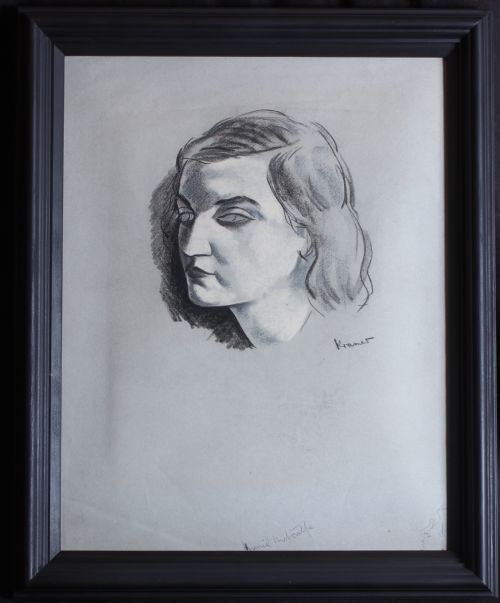
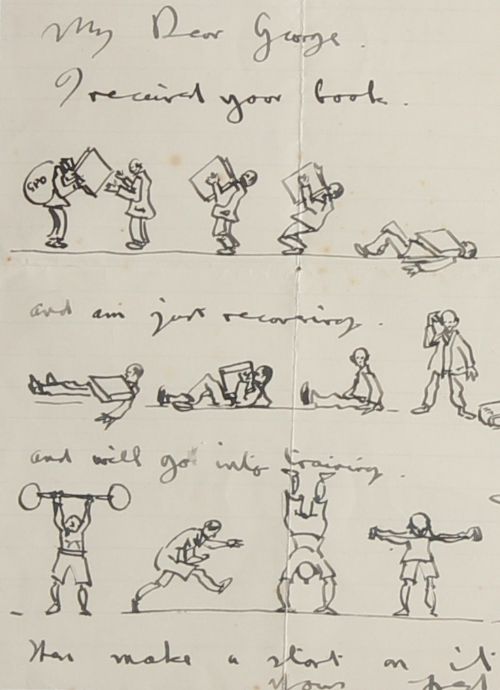
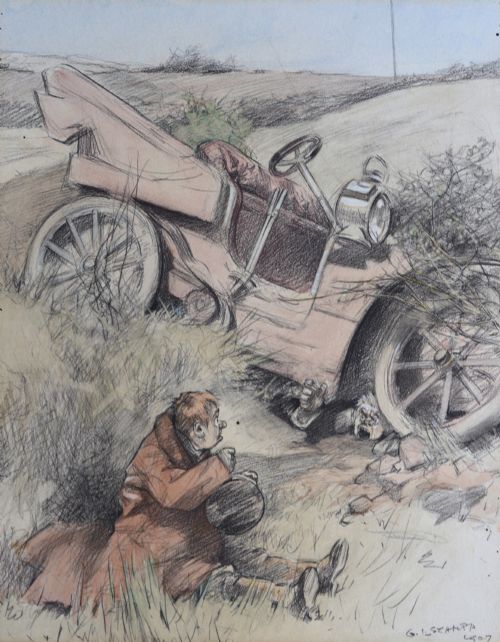
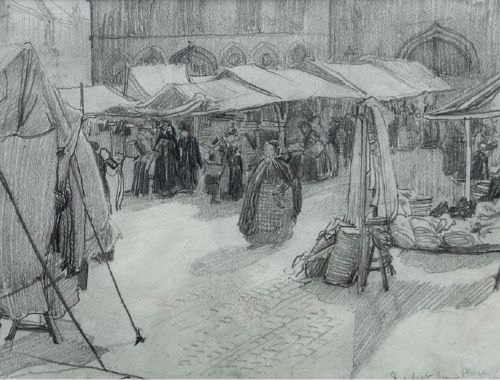
Artists and designers utilised paper as a primary medium, applying watercolour paint, ink, charcoal, pencil, and crayon to various paper weights and textures. Some works employ mixed media, attaching paper sheets directly to canvas stretchers for added structural support.
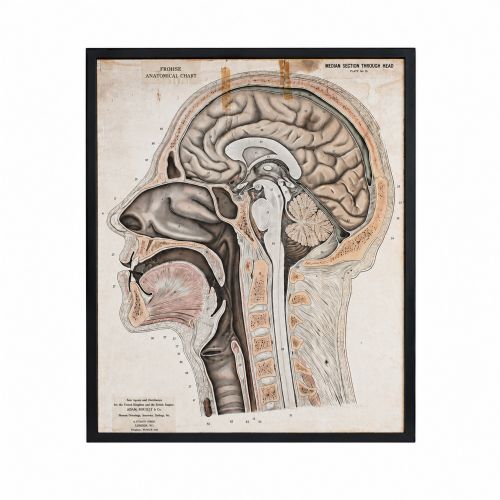
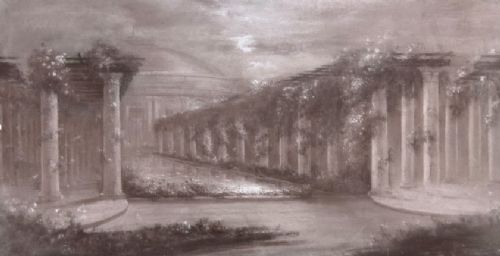
Printmakers employed techniques such as etching, woodblock printing, and collotype reproduction to produce limited editions and posters. Hand-printed wallpaper samples demonstrate specialised layering of pigments on paper for interior decoration.
Listings feature works spanning 1900 to 1950, utilising paper, ink, watercolour, charcoal, and pencil across diverse artistic styles.
What varies in quality
Quality rests in the sureness of the draughtsmanship, the handled delicacy of the watercolour wash, and the preservation of the original paper surface. Stronger examples display confident mark-making and clear compositional balance that capture the intended light and mood of the subject.
The significance of the maker or artist, alongside documented provenance and exhibition history, elevates certain pieces above standard decorative works. Condition of the sheet, minimal fading, and the absence of heavy acidification distinguish superior survivals.
Fred Lawson·Kurt Lorein Victor Peiser·George Lorain Stampa·Henry Percy Huggill·A Marie Parsons·Frank Watson Wood·Augustus John·Herbert Johnson Harvey·Beatrice Saunders·Thomas Maidment·Russell Sidney Reeves·Percy Lancaster·Warwick Goble·F A Roylance·George F Pennington·Edgar Woollatt·Arthur Reginald Smith·Cuthbert Crossley·Demetrios Galanis·Florence Hess·George Soper·John Smith Atherton·Rowland Henry Hill·Leslie Rackham
The Early 20th Century Paper Glossary
- Watercolour
- A paint consisting of a water-soluble binder and pigment, applied in washes on paper. It allows for transparent layers of luminous colour.
- Etching
- A intaglio printmaking process where lines are incised into a metal plate with acid before ink is applied and pressed onto paper. This technique yields sharp, detailed linear work.
- Collotype
- A photomechanical planographic printing process used for producing high-detail facsimile prints and art reproductions. It creates continuous tones without a visible dot screen.
- Charcoal
- A dry drawing medium made from organic matter burnt in the absence of oxygen, producing deep black, velvety lines. It is easily smudged for tonal shading.
- Provenance
- The documented history of ownership of an artwork, tracing its origin from the artist's studio to the present. Clear provenance verifies authenticity and historical context.
Early 20th Century Paper: Frequently Asked Questions
How should early twentieth-century paper be framed?
Works on paper require conservation-grade mounting materials, including acid-free backing boards and window mats that prevent the artwork from touching the glass. This separation allows air circulation and protects the fragile pigments and paper fibres over time.
Position framed pieces away from direct sunlight and high humidity environments to prevent fading, yellowing, and paper distortion.
What defines British Impressionist watercolours?
British Impressionist watercolours from this era focus on atmospheric effects, natural light, and spontaneous brushwork applied directly to the paper. Artists sought to capture fleeting moments in landscape and daily life rather than rigid academic precision.
These works often feature visible pencil underdrawings and fluid washes that retain the fresh immediacy of outdoor sketching.
Are vintage posters and wallpaper designs considered fine art?
Vintage posters and wallpaper designs represent applied arts produced for commercial or decorative purposes, yet many feature original artwork by notable designers and artists. Hand-printed samples and limited edition posters carry significant aesthetic and historical value.
Collectors prize these items for their bold graphic styling and their reflection of period interior design trends.
How do I identify a pencil drawing from a print?
Examining the surface with a magnifying glass reveals whether lines consist of graphite particles sitting on top of the paper fibres or ink absorbed into a printed dot pattern. Original drawings show subtle variations in pressure and graphite sheen that uniform mechanical prints lack.
The presence of slight indentations in the paper from the drawing implement further distinguishes a unique hand-drawn work.