


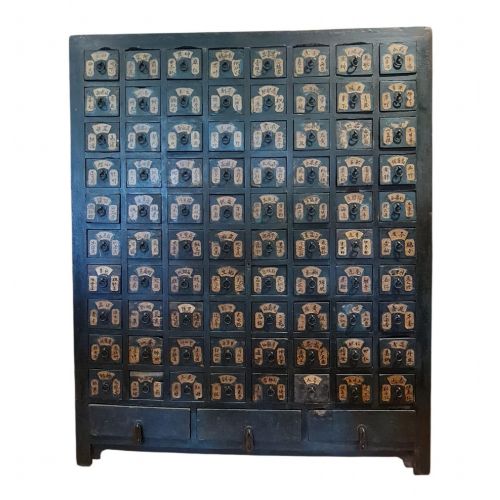


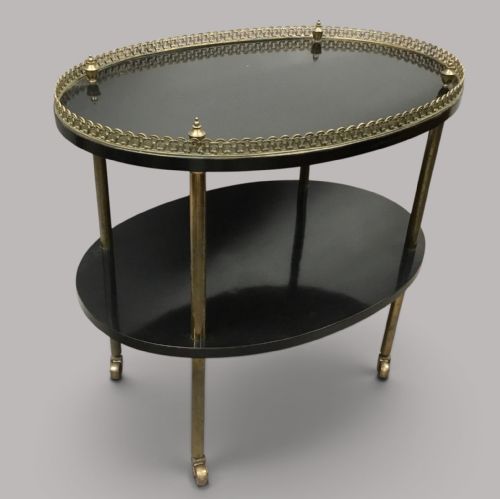


Early 20th Century Lacquer
Early 20th century lacquer brings layered depth, rich pigments and intricate ornamentation into a room, offering functional furniture with striking visual presence.
Early 20th Century Lacquer
When you search for early 20th century lacquer, you encounter a diverse array of decorative items spanning utility and display, from large folding screens and cabinets to small occasional tables, boxes, and lamps. These objects reflect international stylistic influences, particularly Chinoiserie, Japanese Meiji and Taisho work, and Kashmiri craftsmanship.
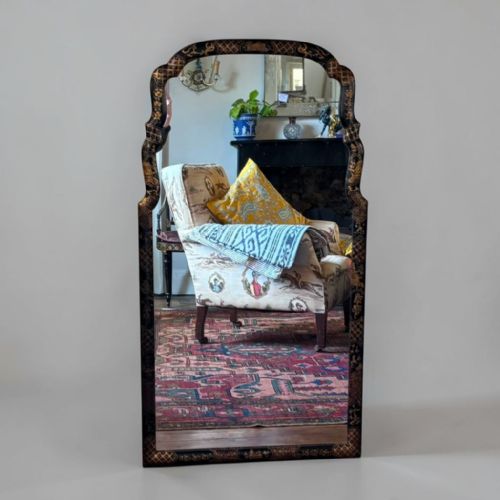
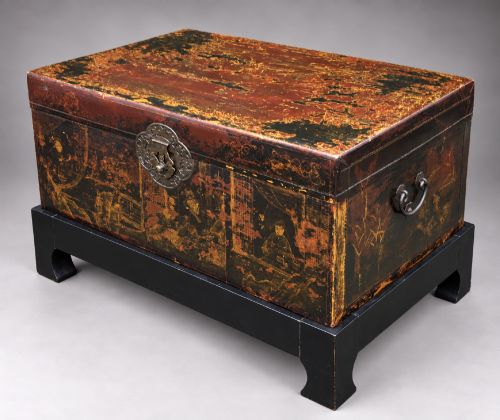
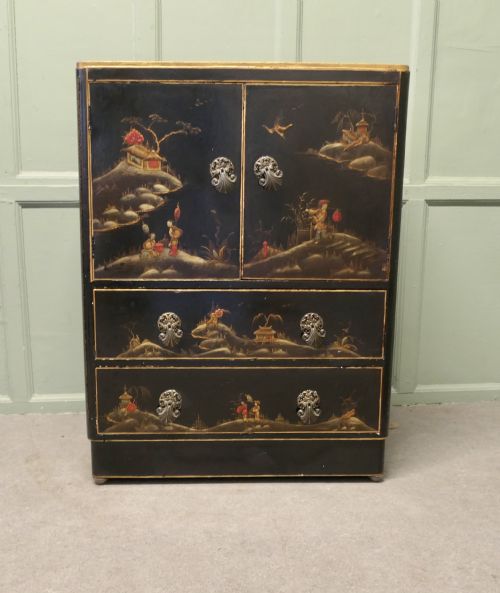
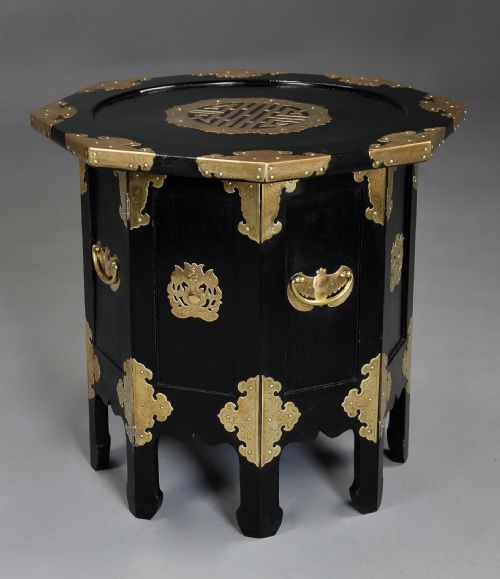
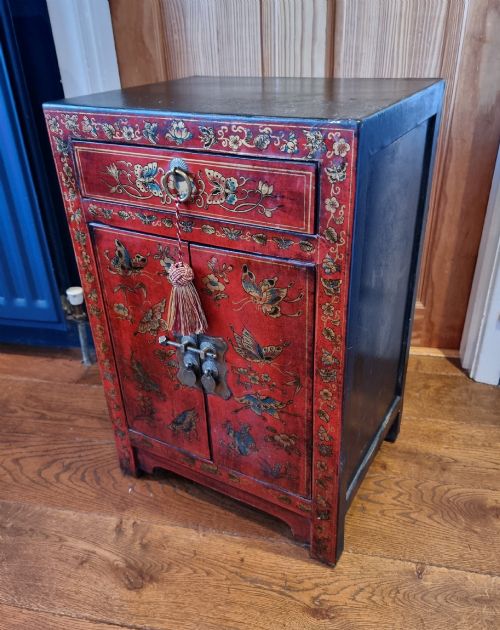
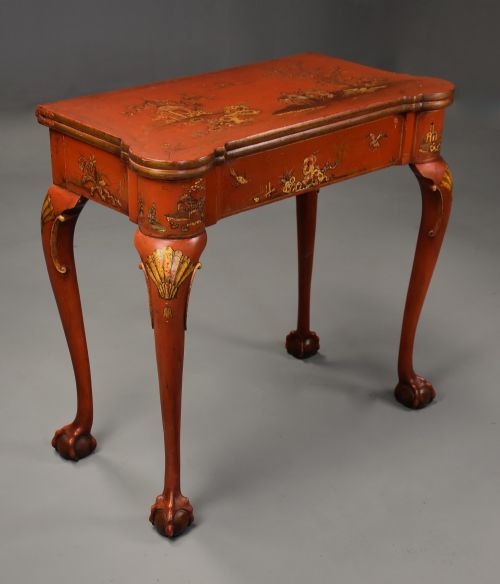
You are most likely to meet functional storage furniture such as black and red Chinoiserie cupboards, blanket boxes, and side tables, alongside smaller decorative pieces like lidded pots, trays, and table cabinets. The pieces date predominantly from the Edwardian era through to the 1930s, utilising wood bases finished with specialised surface coatings.
The category encompasses both domestic furnishings made for Western markets and pieces created within Asian traditions, combining practical utility with ornate surface decoration. Buyers often choose these items to anchor a room with deep colour and historic pattern.
Materials and construction
The foundational structures are typically built from timber such as Chinese elm, hardwood, or general wood bases, which provide stability for the applied finishes. Artisans applied successive coats of lacquer, sometimes incorporating papier-mâché or ebonised treatments, to create a smooth, durable ground.
Decoration relied heavily on contrasting details, including gold leaf, gilt, painted pigments, and applied brass fittings. Certain Japanese and Kashmiri pieces incorporate deep carved bone figures or hand-painted motifs directly into the surface layers to achieve texture and pictorial depth.
Early 20th Century Lacquer Retail Price Guide 2026
Typical asking prices for early 20th century lacquer among the pieces listed under this phrase on Sellingantiques today, from the lower quarter to the upper quarter. They describe what is for sale here now, not the wider market.
Listings feature periods spanning the Edwardian era, 1910, 1920, 1930, and the late 19th century, utilising lacquer, wood, brass, gilt, and gold leaf.
Distinctions in quality
Quality rests upon the depth and stability of the surface finish and the precision of the decorative execution. Pieces with deeply carved figures, meticulous hand-painted details, and integrated gold leaf demonstrate a higher level of artisan skill than simpler painted surfaces.
The integrity of the underlying timber and the preservation of the applied layers dictate longevity. Superior examples maintain crisp detail in the ornamentation and a stable, even substrate without extensive loss to the lacquer or gilt highlights.
The Early 20th Century Lacquer Glossary
- Chinoiserie
- European interpretation and imitation of Chinese and East Asian artistic traditions, often featuring figures, landscapes, and pavilions in gold on a dark ground. This style dominates much of the Western-market furniture from this period.
- Ebonised
- Wood finished to resemble ebony through staining or painting, creating a dark, uniform surface. It frequently provides a contrasting backdrop for gilt or painted ornamentation.
- Cinnabar lacquer
- A technique involving numerous layers of red lacquer carved with intricate designs. The method produces substantial depth and tactile relief on small boxes and vessels.
- Shodana
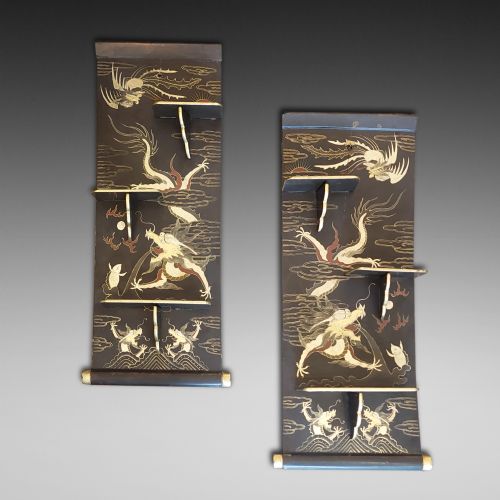
- A traditional Japanese multi-shelved display cabinet featuring staggered compartments. These pieces showcase varied joinery and decorative lacquer panels.
- Gilt
- Application of gold leaf or powdered gold to surfaces to highlight carved details or borders. It catches ambient light and creates contrast against black or red lacquer grounds.
Early 20th Century Lacquer: Frequently Asked Questions
How do I clean early 20th century lacquer?
Dust surfaces gently with a soft, dry microfibre cloth to prevent scratching the delicate finish. Avoid using water, household detergents, or chemical polishes, as moisture and solvents can degrade the historic lacquer layers.
For stubborn grime, consult a professional conservator rather than attempting DIY cleaning methods. Keeping pieces away from direct sunlight and maintaining stable humidity protects the wood and surface finish from cracking.
Are these pieces waterproof?
Traditional lacquer finishes are reasonably resistant to moisture but are not fully waterproof. Spills should be blotted immediately with a dry cloth to prevent liquid from seeping into any cracks in the surface.
Using coasters under glasses and placing protective pads under decorative objects prevents ring marks and surface wear. Treat these items as fine furniture rather than utilitarian kitchenware.
How do I distinguish regional styles?
Chinese and Japanese pieces often utilise black or red grounds with figurative scenes, landscapes, and cabinets designed for storage or display. Japanese pieces from this era frequently include Meiji or Taisho carving techniques and specific cabinet forms like the shodana.
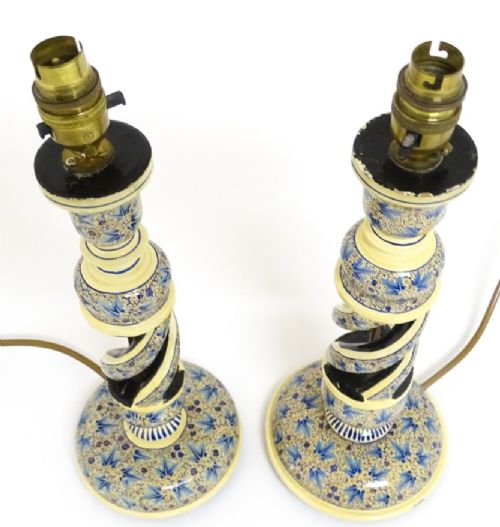
Kashmiri items are readily identified by their distinct hand-painted floral and botanical patterns on wood or papier-mâché bases. Examining the motifs and construction methods clarifies the geographic origin.
Can lacquer furniture be placed in direct sunlight?
Direct sunlight causes pigments to fade and accelerates drying and cracking in the underlying wood and lacquer. Position cabinets, screens, and tables away from windows or use UV-filtering window treatments.
Rotating items periodically ensures even exposure to ambient light and prevents uneven fading across large folding screens and surface tops.