
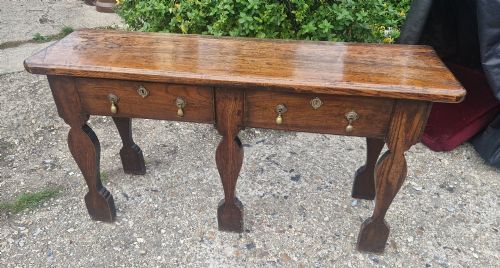
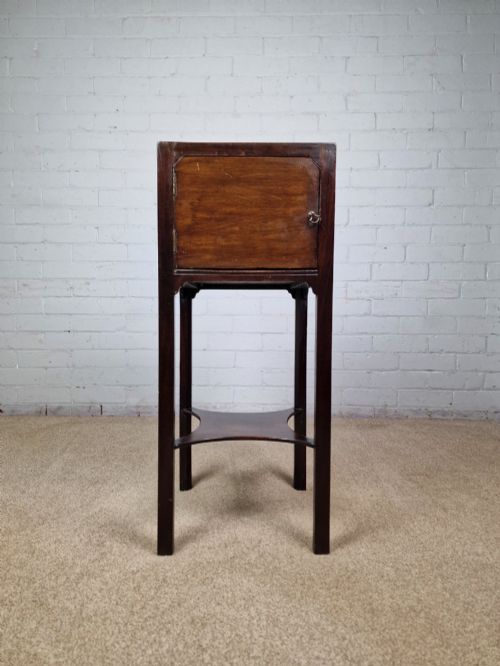
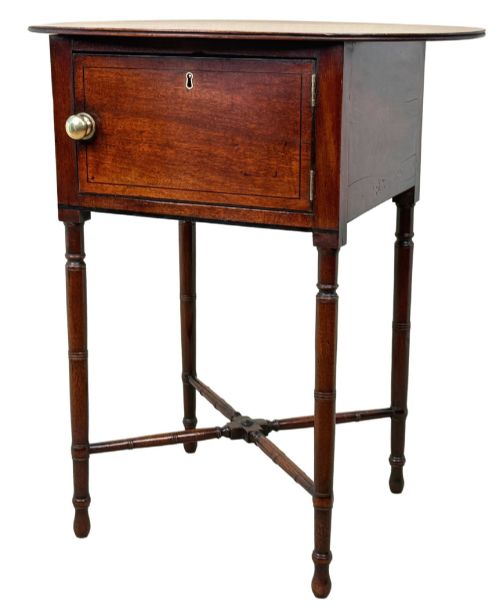
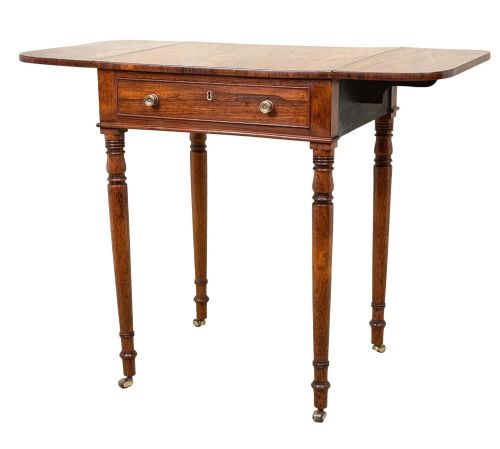
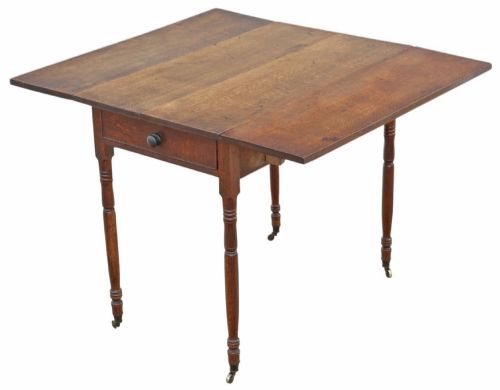
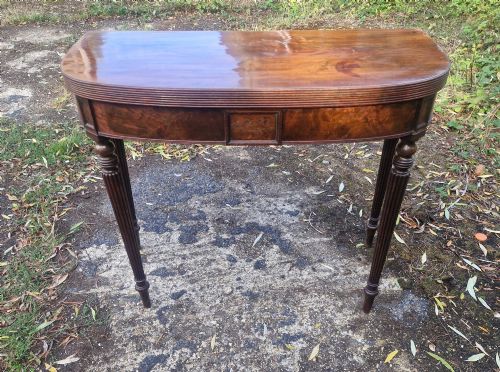
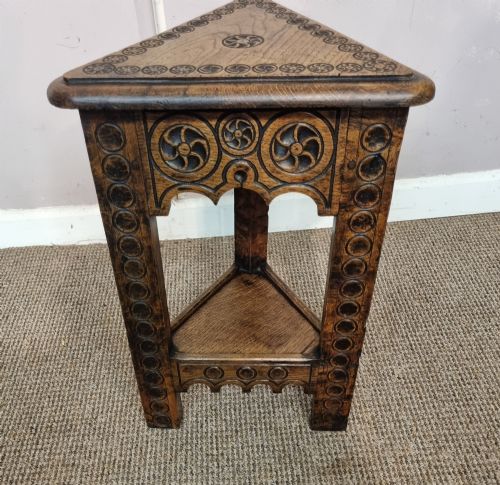
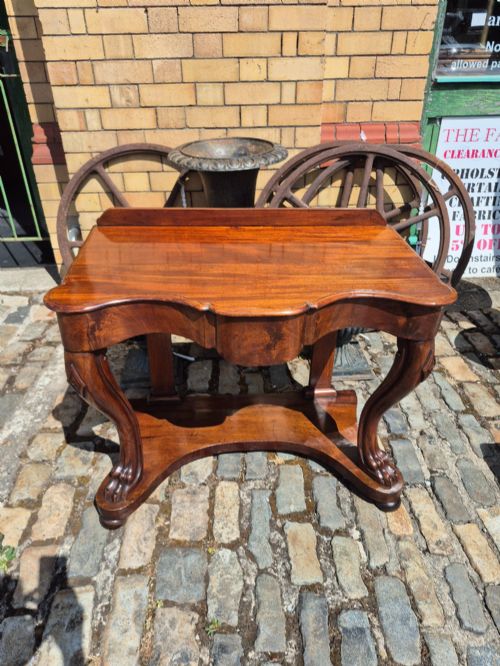
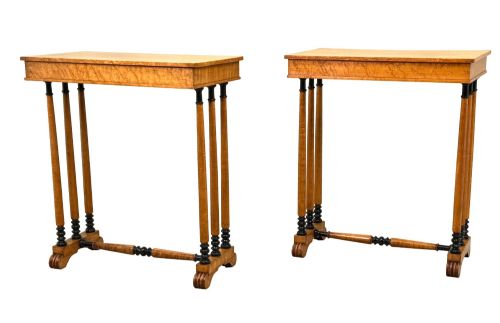
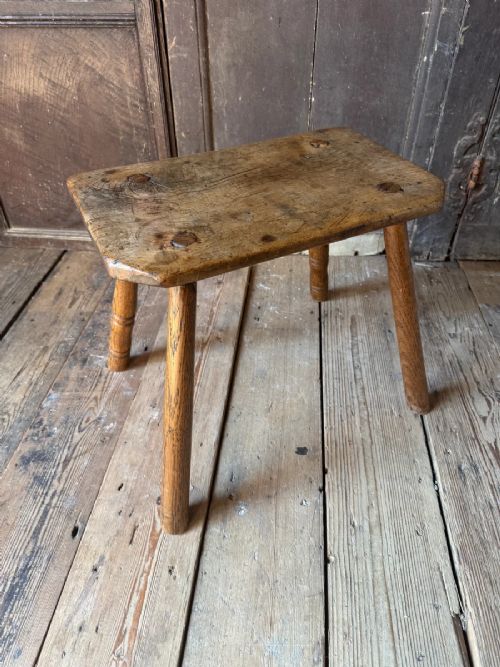
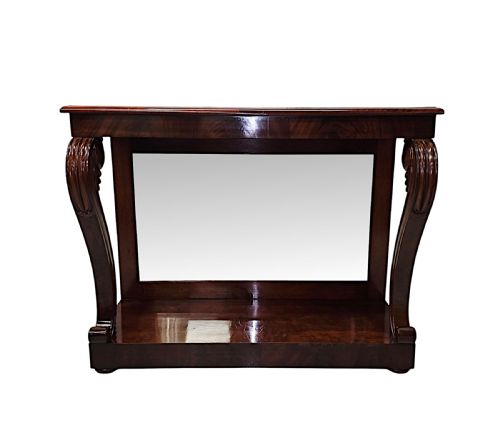
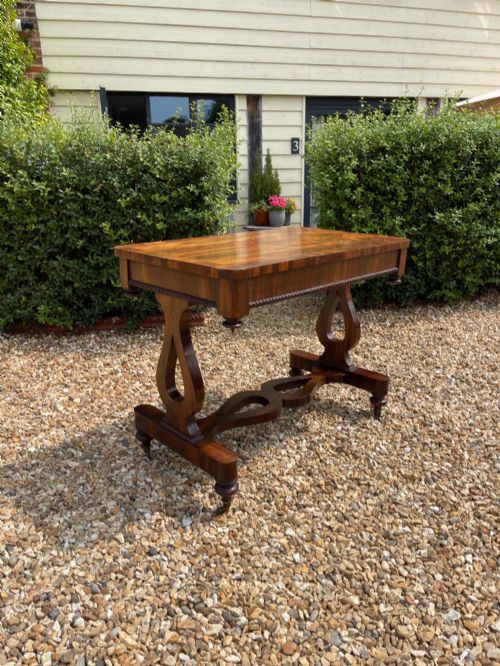
Early 19th Century Side Table
When you choose an early 19th century side table, you bring home a versatile piece of period furniture designed for everyday domestic utility and graceful interior display.
Early 19th Century Side Table
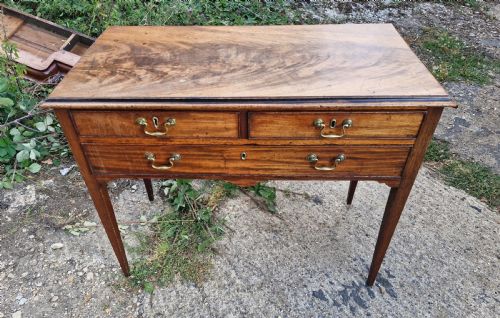
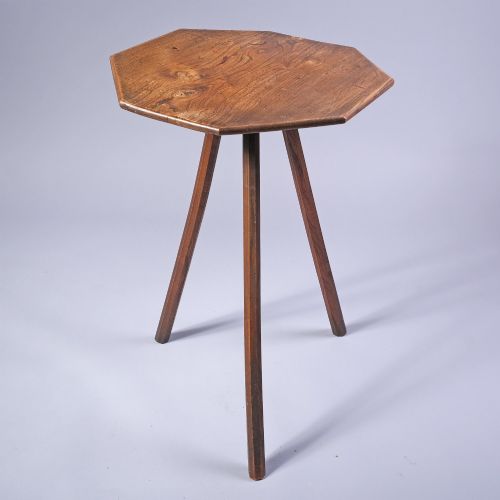
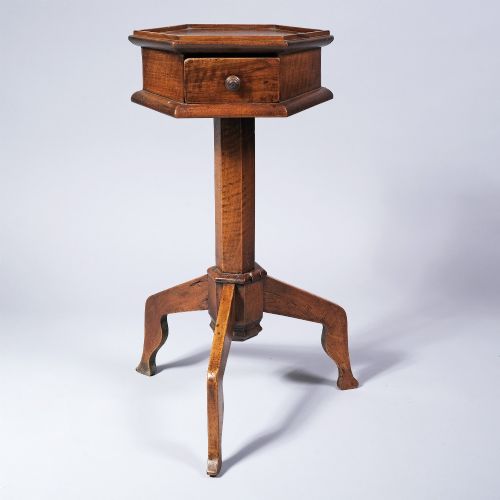
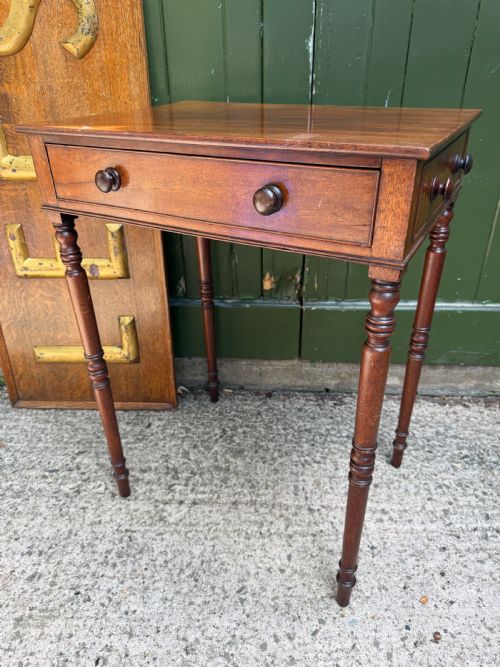
An early 19th century side table encompasses a diverse group of compact furniture forms built during the Georgian, Regency, and early Victorian eras. These items served functional roles in bedrooms, parlours, and hallways as lamp stands, writing surfaces, and serving ledges.
Mahogany and oak dominate the surviving examples, appearing alongside rosewood, pine, and satinwood in both formal British urban designs and simpler vernacular country pieces. Buyers frequently encounter rectangular configurations, drop-leaf Pembroke formats, and small drawer-equipped lowboys.
Regional variations span English country workshops, Irish cabinet makers, and continental European studios, providing distinct stylistic interpretations ranging from restrained neo-classical lines to decorative parcel-gilt and brass-inlaid surfaces.
How they were made
Cabinet makers utilised solid timbers and figured veneers, applying mahogany, rosewood, and satinwood over secondary woods like pine or oak. Construction relied on traditional joinery methods, including dovetail drawers and tenoned frames, ensuring structural stability across decades of domestic use.
Decorative enhancements involved brass inlays, carved wooden details, parcel-gilt finishes, and turned legs. Specialised surfaces such as inset marble tops and leather writing panels required precise fitting by skilled artisans.
Several tables were built specifically for games, hiding chess and backgammon boards within their folding tops for impromptu evening entertainment.
What varies in quality
Quality differences emerge in the selection of timber figures and the precision of the cabinet work. Superior examples exhibit carefully matched grain patterns, tight joinery, and original hardware that integrates harmoniously with the primary wood.
The sophistication of the design and secondary decorative elements distinguish high-end urban workshop productions from provincial vernacular items. Finer pieces demonstrate restraint and proportion, whereas standard pieces rely on simpler construction suitable for utilitarian tasks.
Gillows·Edwards and Roberts·Gillingtons of Dublin·Jean-Joseph Chapuis·Ralph Turnbull
The Early 19th Century Side Table Glossary
- Pembroke table
- A small rectangular table featuring two hinged drop leaves on opposing sides, often fitted with a single drawer. This form gained popularity during the late 18th and early 19th centuries for versatile dining or writing use.
- Lowboy
- A small oak or mahogany dressing or side table equipped with one or more drawers beneath a flat top, typically supported by slender legs. Originating in the 18th century, these tables remained common domestic fixtures into the 19th century.
- Console table
- A wall-mounted or freestanding table designed to stand against a vertical surface, frequently topped with marble or mirrored backs. Regency examples often incorporate gilt wood and classical architectural motifs.
- Quartetto tables
- A set of four graduating nesting tables that slide beneath one another, popular during the Regency period for entertaining and tea service.
- Work table
- A specialised small table equipped with a drawer or fabric bag intended for needlework and domestic crafts. These tables often feature segmented interior compartments for sewing accessories.
Early 19th Century Side Table: Frequently Asked Questions
How were side tables used in Regency homes?
These tables served multiple domestic functions, acting as lamp stands in reception rooms, bedside surfaces, or secondary desks for correspondence and reading. Their portable scale allowed servants to reposition them according to daily household requirements.
In public spaces like hallways and drawing rooms, matching pairs displayed decorative objects, porcelain, or serving items during gatherings, combining utility with fashionable interior decoration.
What is the difference between a side table and a console table?
Side tables are freestanding pieces designed to sit against walls or beside seating furniture, featuring finished construction on all accessible sides. They prioritize everyday utility with surfaces for books, lighting, and small items.
Console tables historically relied on wall fixings or specific architectural placement, often featuring decorative front legs and elaborate marble tops meant for formal display rather than heavy daily use.
How do I identify a Regency period table?
Regency pieces often display distinct classical revival influences, incorporating brass inlay, rosewood veneers, parcel-gilt accents, and sabre or turned legs. The overall aesthetic leans toward archaeological inspiration drawn from Greek and Roman design.
Proportions remain balanced and architectural, with dark exotic timbers frequently contrasted against bright metal mounts or light wood stringing to create crisp visual lines.
Where should I place an antique table in a modern room?
A compact 19th century table fits easily beside a sofa, as a bedside stand, or beneath a hallway mirror. Their neutral wood tones and classic proportions allow them to anchor contemporary interior schemes without overwhelming the space.
When positioning wood furniture, avoid direct sunlight and intense heat sources to protect historical finishes, polish, and natural timber movement over time.