

Early 19th Century Seat
An early 19th century seat brings enduring craftsmanship into a room, offering functional history through timber dining chairs, benches, and window seats.
Early 19th Century Seat
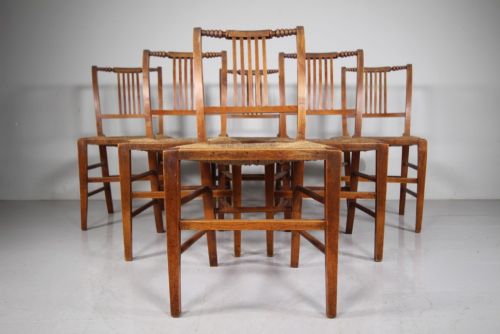
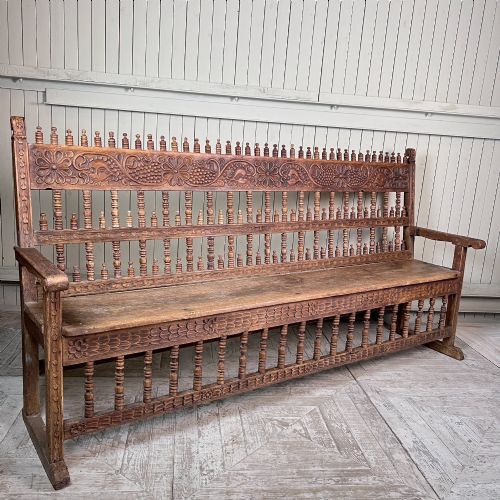
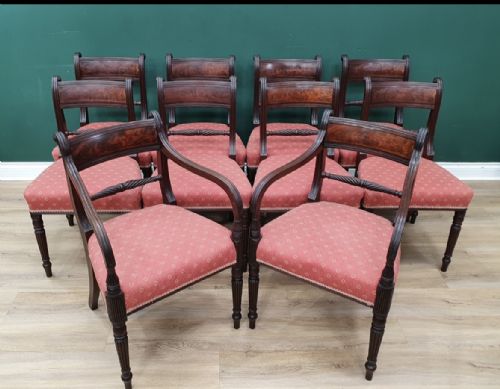
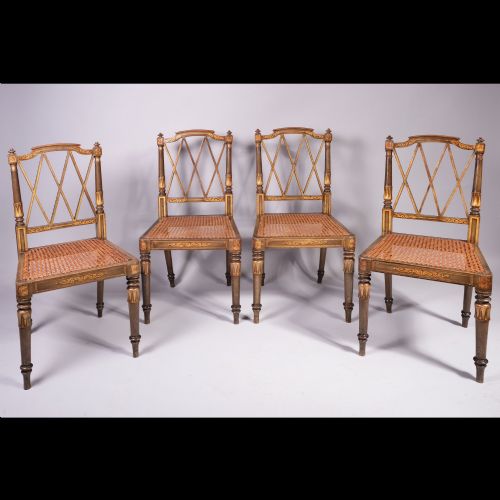
The early 19th century seat encompasses a broad spectrum of domestic furniture, ranging from formal dining chairs to utilitarian benches and settles. When exploring an early 19th century seat, buyers frequently encounter mahogany dining sets from the Regency period alongside robust elm and ash country chairs.
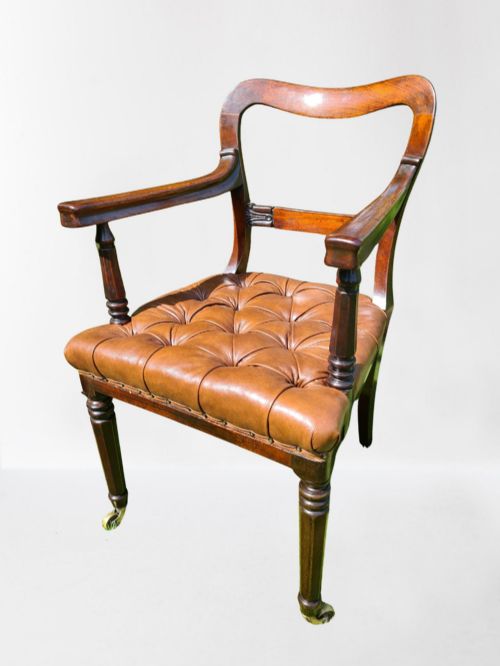
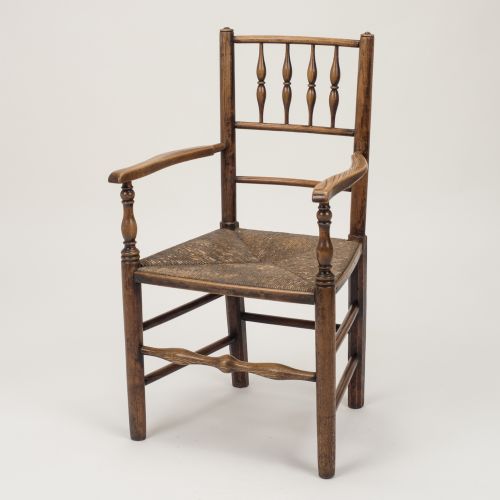
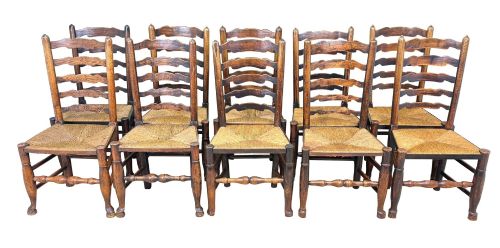
The selection spans refined urban forms, such as rosewood desk chairs and window benches, to vernacular regional pieces including rush-seated armchairs and pine box settles. Formal townhouse pieces sit alongside country house and farmhouse variations originating from English, Welsh, and regional workshops.
Materials and Construction
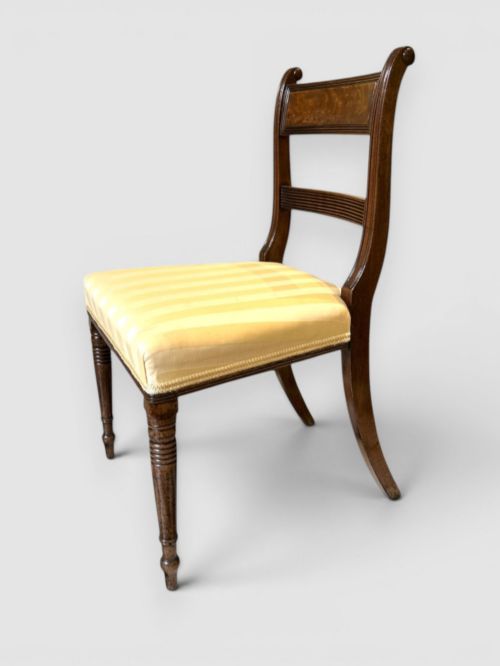
Cabinetmakers and country joiners utilised native and imported hardwoods, most notably mahogany, rosewood, elm, ash, and fruitwood. These timbers were shaped using traditional joinery techniques, combining pegged mortise and tenon joints with turned spindles and curved backs.
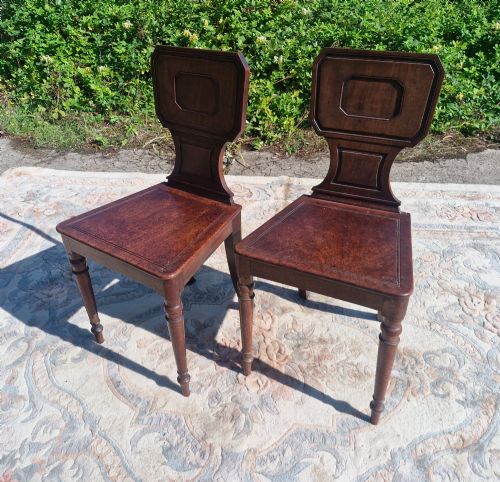
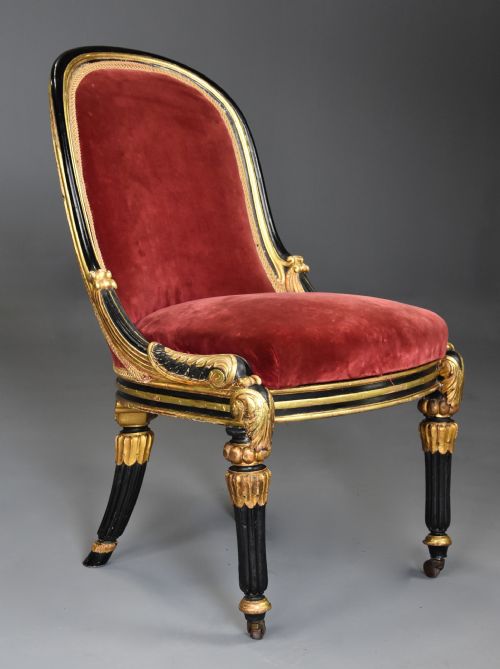
Seating surfaces often incorporated woven rush, upholstered fabric or leather inserts, and solid turned wooden panels. Frames frequently received decorative treatments such as ebonising, gilding, hand-painted finishes, or brass inlay.
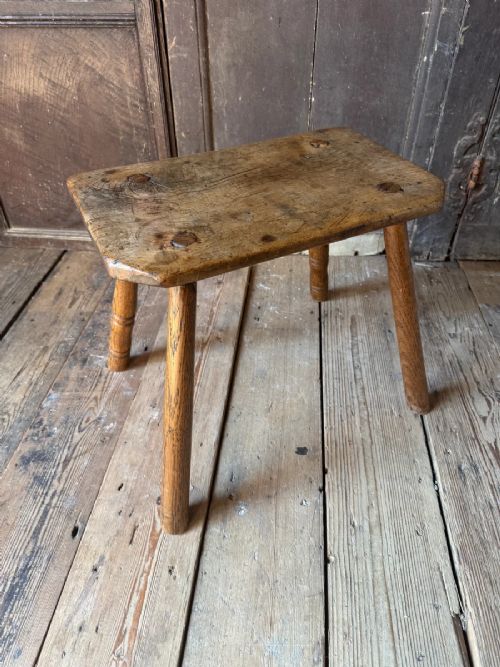
Forms span dining chairs, window seats, settles, stools, and armchairs.
Assessing Standard and Integrity
Quality rests primarily in the structural integrity of the timber framing and the preservation of original surfaces. Pieces retaining their initial finish, uncompromised joinery, and natural patination command greater interest than those stripped or heavily rebuilt.
Refinement of proportion, the crispness of carved details on mahogany or giltwood elements, and the matching consistency within larger sets of dining chairs dictate the higher tiers of the range.
Howard and Sons
The Early 19th Century Seat Glossary
- Vernacular
- Furniture made by local regional craftsmen using traditional methods and native timbers rather than following strict metropolitan stylistic dictates. These pieces reflect specific geographical traditions of construction.
- Settle
- A high-backed wooden bench with solid sides and often a box compartment beneath the seat for storage. They were historically placed near hearths to block drafts.
- Rush seat
- A seating surface woven from dried marsh rushes, commonly found on country chairs and regional ladderback seating. This technique provides a resilient and pliable base.
- Window seat
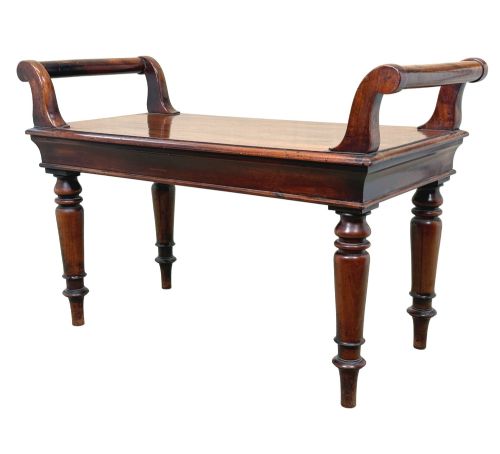
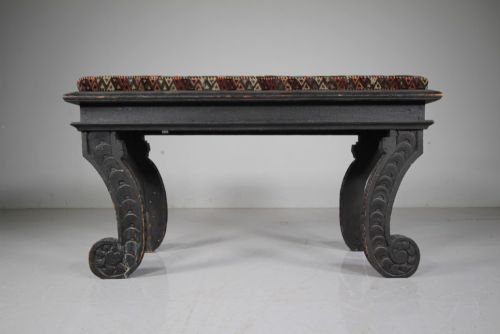
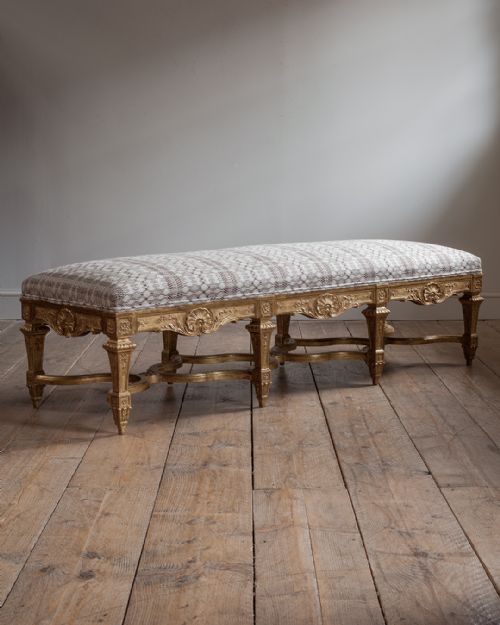
- An elongated chair or bench designed specifically to fit within the architectural recess of a window bay. They frequently feature scrolled ends and upholstered tops.
- Spindle back
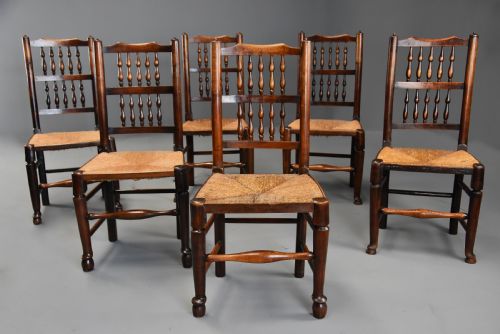
- A chair back constructed with a series of slender turned wooden rods or spindles. This method offers lightweight strength, particularly in elm and ash country seating.
Early 19th Century Seat: Frequently Asked Questions
What defines an early 19th century seat?
Pieces from this era encompass dining chairs, settles, benches, and window seats produced during the Regency, Georgian, and early Victorian periods. They reflect a transitional design landscape bridging formal classical revival styles and sturdy vernacular craftsmanship.
Materials range from polished mahogany and rosewood in urban settings to elm, ash, and pine in rural workshops. The category includes both grand parlour seating and utilitarian farmhouse forms.
How were regional country chairs constructed?
Country chair makers relied heavily on local timbers like elm, ash, and fruitwood, utilising Windsor and ladderback traditions. Components were often shaped by hand, employing steam-bending for curved backs and traditional peg joinery.
Seats were frequently fitted with woven rush or carved from solid wood dishes. These methods ensured durability for daily domestic use in farmhouses and cottages.
Where were window seats placed?
Window seats were designed for placement within the deep architectural window recesses of grand houses and townhouses. They provided a comfortable spot for reading or needlework while making use of natural daylight.
Many examples feature upholstered tops and scroll arms matching the formal decor of Regency and Victorian reception rooms. Some versions also doubled as hall benches.
How do I care for antique wooden seating?
Maintain wooden frames by keeping them away from direct heat sources and fluctuating humidity, which causes timber to split. Regular dusting with a soft, dry cloth preserves the finish and natural patination without stripping surface oils.
Avoid commercial silicone polishes and instead use traditional beeswax sparingly. Upholstered and rush elements require gentle vacuuming with a low-suction attachment.