



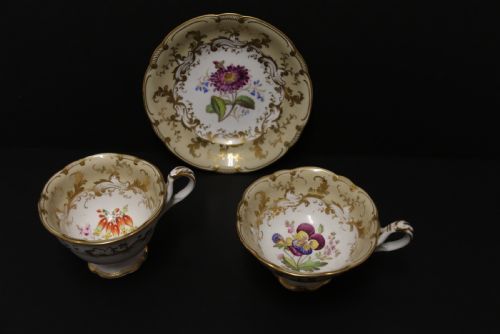
Early 19th Century Cup
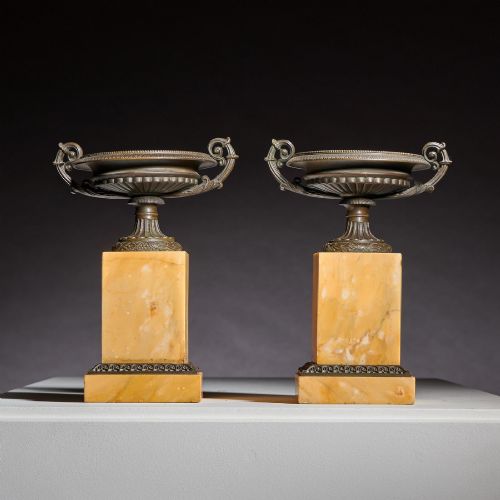
An early 19th century cup is a drinking vessel or small display piece forged from porcelain, wood, or bronze during a transformative era of design.
Early 19th Century Cup
When searching for an early 19th century cup, collectors encounter a diverse group of objects spanning delicate porcelain trios, turned fruitwood goblets, and stoneware vessels. These items bridge utilitarian kitchenware and refined cabinet pieces meant purely for display.
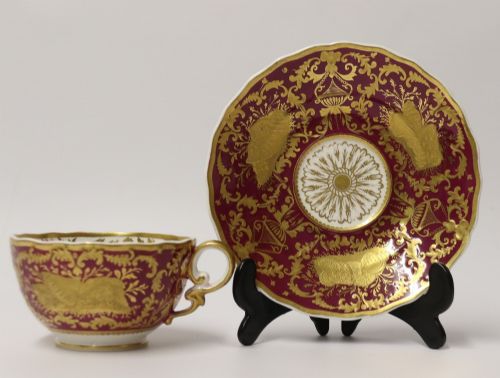
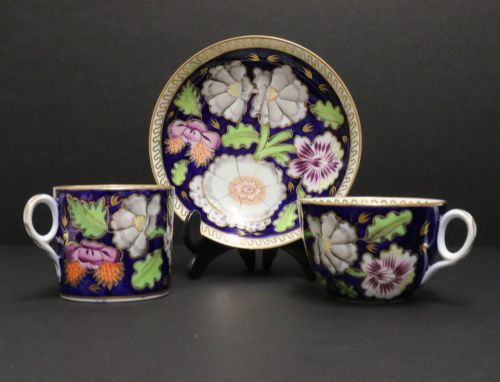
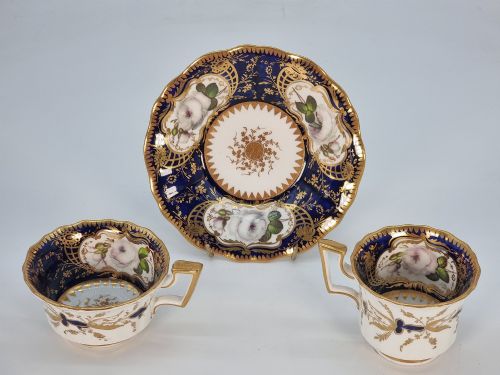
The most common examples on this page are porcelain cabinet trios and tea cups originating from English factories, alongside turned wooden treen and stoneware drinking vessels. Each piece reflects the domestic and social drinking habits of the Georgian and Regency periods.
Materials and construction
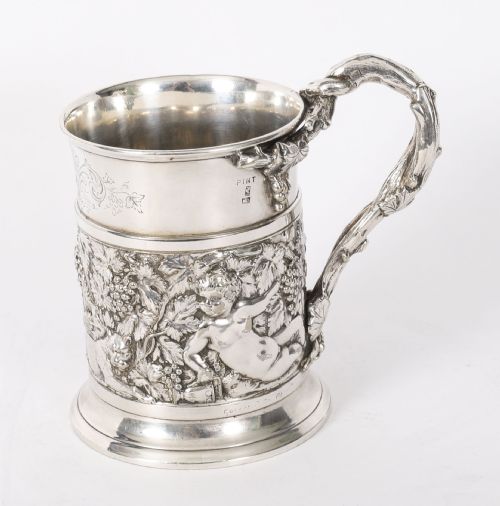
Makers shaped these objects using fine ceramic pastes, dense hardwoods like fruitwood and oak, and metals such as bronze and silver plate. Porcelain pieces rely on kiln firing and hand-painted enamel decoration, often accented with gilding.
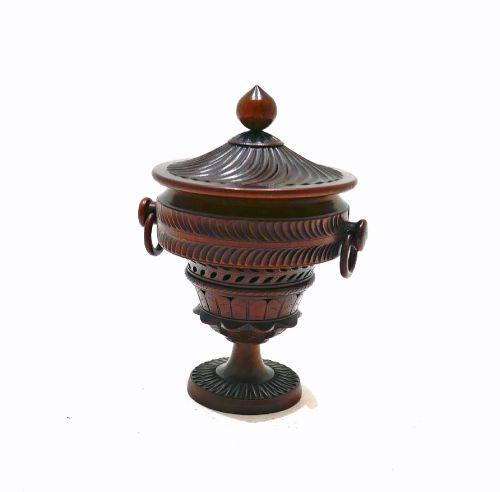
Wooden items demonstrate precision turning on a lathe, resulting in clean lines on goblets and lidded pomanders. Stoneware and earthenware variants utilise local clays shaped by hand or mould, then fired to create durable drinking vessels.
Early 19th Century Cup Retail Price Guide 2026
Typical asking prices for early 19th century cup among the pieces listed under this phrase on Sellingantiques today, from the lower quarter to the upper quarter. They describe what is for sale here now, not the wider market.
Coconut shells transformed into mariners' drinking vessels prove that thirsty sailors could carve artistry out of tropical debris.
Assessing quality and execution
The distinction between standard utility ware and high-end cabinet pieces rests on the refinement of the material and the crispness of the decoration. Superior porcelain shows meticulous hand-painting, precise gilding, and translucent bodies without kiln flaws.
For turned wooden and metal items, quality reveals itself in the balance of the proportions and the sharpness of the turned details. Pieces that retain their original surface patination and suffer minimal wear command greater appreciation among collectors.
Newhall·Coalport John Rose·Spode·Davenport·Ridgeway·Minton·G R Collis
The Early 19th Century Cup Glossary
- Cabinet trio
- A matched set consisting of a teacup, coffee cup, and saucer, typically manufactured for display rather than daily service.
- Treen
- Small handmade wooden objects created by turning on a lathe, encompassing items like goblets, cups, and lidded containers.
- Loving cup
- A large drinking vessel featuring two or more handles, traditionally passed among guests during communal gatherings.
- Gilding
- The application of gold leaf or gold dust onto the surface of porcelain, wood, or metal to provide decorative accents.
- Pearlware
- A fine-grained earthenware developed in the late 18th century that exhibits a faint bluish tinge in the glaze.
Early 19th Century Cup: Frequently Asked Questions
What is a cabinet trio?
A cabinet trio is a matching set of three ceramic items comprising a teacup, a coffee cup, and a saucer. These sets were produced by prominent porcelain factories for display in drawing room cabinets.
Rather than enduring daily use at the breakfast table, these delicate sets survived in pristine condition because owners treasured them as decorative works of art.
How do I date a porcelain cup?
Dating porcelain relies on examining factory marks stamped or painted on the base, stylistic painting cues, and the composition of the ceramic body. Early pieces often feature hand-painted pattern numbers rather than printed stamps.
Comparing the glaze texture and gilding style against documented factory production eras helps narrow down the decade of manufacture.
What is a loving cup?
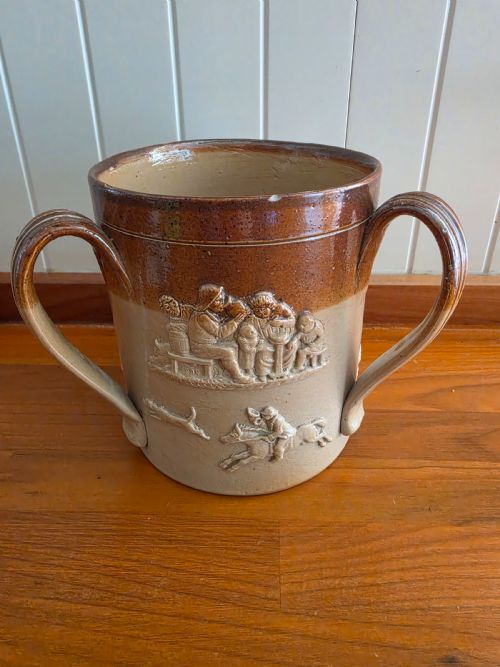
A loving cup is a substantial drinking vessel constructed with multiple handles designed to allow two or more people to hold it simultaneously. People used them during communal toasts at weddings, banquets, and civic celebrations.
These vessels appear in materials like stoneware, earthenware, and silver, reflecting their status as ceremonial objects rather than everyday tableware.