



Early 19th Century Crest
An early 19th century crest brings heraldic authority and period craftsmanship into a room, offering a tangible link to family lineage.
Early 19th Century Crest
An early 19th century crest appears on armorial plaques, book covers, and furnishings, marking familial identity with heraldic symbols.
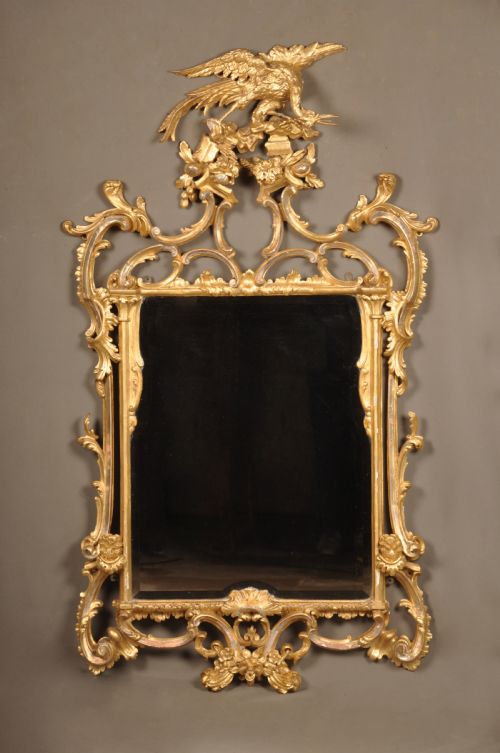
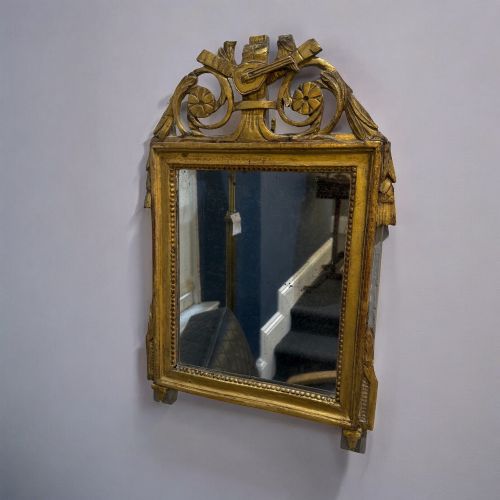
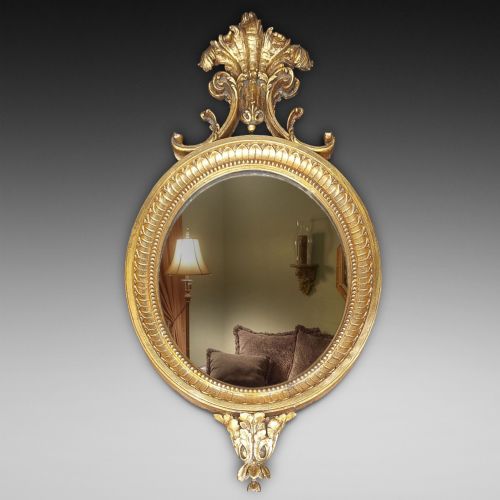
The selections available here range from carved armorial pieces bearing specific family names like Seton to decorative wall mirrors and furniture incorporating classical motifs.
Buyers seeking this phrase most frequently encounter wall mirrors and plaques, alongside seating and wine coolers that reflect the Regency and neoclassical aesthetic of the period.
How they were made
Giltwood and gesso form the decorative surfaces of many mirrors, requiring skilled hand-carving and careful application of gold leaf over plaster grounds.
Mahogany and ebonised wood provide structural frames for furniture and plaques, complemented by silver plate and brass details.
Glass and mirror glass are integrated into wall pieces, reflecting the optical preferences of the era through flat or convex plates.
Early 19th Century Crest Retail Price Guide 2026
Typical asking prices for early 19th century crest among the pieces listed under this phrase on Sellingantiques today, from the lower quarter to the upper quarter. They describe what is for sale here now, not the wider market.
Listings feature items from the 19th Century, Regency, Edwardian, and the year 1800, utilising giltwood, mahogany, and silver plate.
What varies in quality
The crispness of the carving on wooden frames and heraldic plaques distinguishes superior examples from softer, more generic productions.
The integrity of the original giltwood finish and the clarity of the mirror glass dictate the visual presence and historical authenticity of decorative wall pieces.
Coherence of style, such as the execution of Regency Greek revival or Gothic details, separates thoughtfully designed items from simpler vernacular work.
The Early 19th Century Crest Glossary
- Armorial plaque
- A decorative panel displaying a coat of arms or family crest. These items were often mounted on walls or incorporated into book covers to signify lineage.
- Giltwood
- Wood that has been coated with gold leaf or a gold-coloured finish. This technique was widely used on Regency mirrors and decorative frames to catch the light.
- Gesso
- A plaster-like mixture applied to wood surfaces as a base for gilding. It allowed artisans to carve intricate relief details before applying gold leaf.
- Convex mirror
- A round mirror with a bulging glass surface that provides a wide-angle reflection of the room. They often feature eagle surmounts and giltwood frames in Regency interiors.
- Regency
- An English design style spanning the early nineteenth century. It draws heavily on neoclassical motifs, Greek revival forms, and symmetrical arrangement.
Early 19th Century Crest: Frequently Asked Questions
What is an armorial plaque?
An armorial plaque displays a specific family crest and heraldic symbols, serving as a marker of identity and lineage.
Such pieces were often mounted on walls or used on book covers during the nineteenth century.
How do convex mirrors differ?
Convex mirrors feature a curved glass plate that reflects a wide, distortion-free view of an entire interior space.
They are typically framed in giltwood and often surmounted by carved eagles in Regency designs.
What materials define these pieces?
Giltwood, gesso, mahogany, and brass are the primary materials used across these mirrors, plaques, and furniture.
Mirrors also incorporate specialised glass plates, while silver plate appears on functional items like wine coolers.
Which styles predominate here?
Regency, Greek revival, and neoclassical styles dominate the physical evidence, alongside occasional Gothic and Dutch baroque influences.
These aesthetics emphasise classical symmetry, rich wood finishes, and formal decorative carving.