



Dutch Wooden Stands
Dutch wooden stands bring together rich cabinet woods and practical forms, offering timeless utility and distinct regional character for any room.
Dutch Wooden Stands
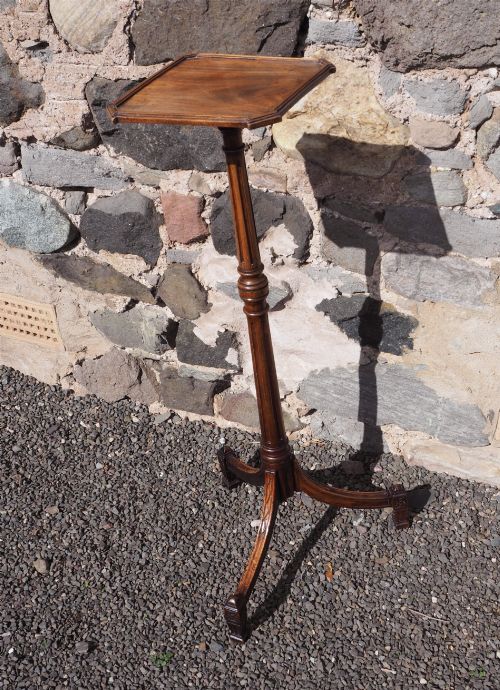
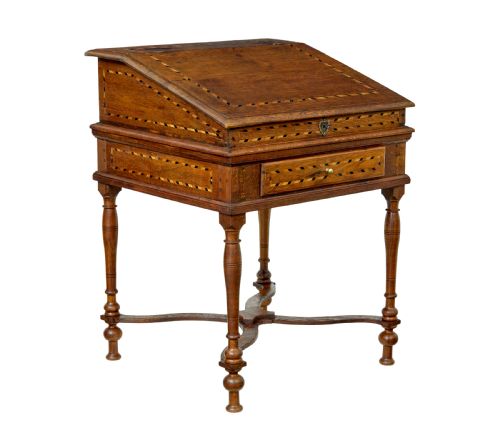
When you search for dutch wooden stands, you encounter a varied collection of regional European furniture designed for display and storage. The selection spans the eighteenth and nineteenth centuries, taking forms such as torchieres, plant stands, pedestals, and planters.
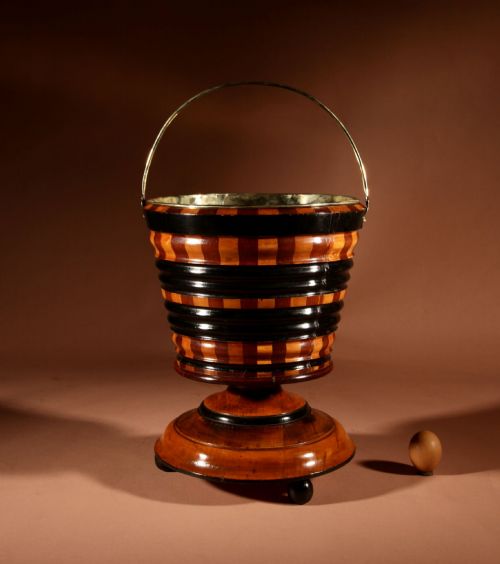
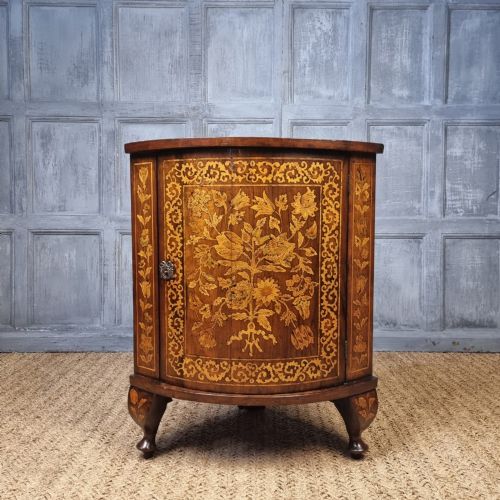
You are most likely to meet pedestal torchieres and jardiniere buckets fashioned from timber like walnut, oak, and mahogany. These pieces reflect enduring domestic traditions from utilitarian peat buckets to decorative corner cabinets.
The objects cross several historical idioms including Dutch Rococo, Neoclassical, Empire, and Amsterdam School. Each piece demonstrates how makers adapted traditional forms for domestic comfort and display.
Materials and construction
The construction relies on dense timbers such as walnut, mahogany, oak, and fruitwood, often enhanced with contrasting veneers and detailed marquetry inlay. Cabinetmakers utilised traditional coopered methods for cylindrical vessels like tea stoves and jardiniere buckets, binding wooden staves with metal bands.
Surfaces frequently showcase elaborate floral marquetry in satinwood, rosewood, and kingwood. Metal mounts in brass and white metal provide structural reinforcement and decorative contrast against ebonised wood and colonial ebony.
Listings feature items spanning the eighteenth century through to nineteen ten, incorporating styles from Dutch Rococo to Amsterdam School.
Assessing quality and execution
Quality rests upon the crispness of the marquetry and the selection of figured wood veneers. Pieces displaying balanced floral inlay and tight joinery in the coopered staves command greater attention.
The refinement of the turnings on torchieres and pedestals distinguishes standard production from finer examples. Integration of quality brass mounts and substantial secondary timbers further elevates a piece.
The Dutch Wooden Stands Glossary
- Torchiere
- A tall stand designed to support a lamp or candle, often featuring a slender column and carved or turned base. These pieces elevate lighting or decorative objects within a room.
- Jardiniere
- An ornamental receptacle or stand for holding plants and flowers, frequently constructed using coopered wooden staves. They serve a decorative function in domestic interiors.
- Marquetry
- The art of applying pieces of veneer to a structure to form decorative patterns and pictures. Craftsmen utilise diverse coloured woods to achieve floral and geometric designs.
- Coopered
- Built from curved wooden staves joined edge to edge, similar to barrel construction. This technique secures vessels such as peat buckets and wine coolers.
Dutch Wooden Stands: Frequently Asked Questions
What were Dutch wooden stands used for?
These pieces served practical domestic functions ranging from lighting support to holding peat, wine, and plants. Torcheres illuminated dark corners, while coopered buckets managed fuel and flora.
Over time their decorative appeal grew, leading to intricate marquetry and fine wood veneers that suited formal reception rooms as much as utility spaces.
How do I care for antique wood furniture?
Keep wooden stands away from direct heat sources and strong sunlight to prevent timber splitting and veneer lifting. Regular dusting with a soft, dry cloth preserves the polished surface.
Apply occasional appropriate wax polish to nourish walnut, mahogany, and oak without building up heavy residues that obscure the grain.
How can I tell the period of a stand?
Dating relies on stylistic clues such as the sweeping curves of Rococo forms, the symmetry of Neoclassical design, or the bold lines of the Amsterdam School. Material choices, including nineteenth-century ebony and colonial teak, also offer chronological context.
Construction methods inside cabinets and underneath pedestals reveal hand-working signs that distinguish eighteenth-century pieces from later nineteenth-century interpretations.
Are these stands suitable for modern homes?
Their compact footprints make them practical for contemporary interiors, fitting easily into corners or beside seating. Planters and pedestals offer functional display surfaces for plants and decorative objects.
The warm tones of walnut, mahogany, and marquetry inlay complement both traditional and modern decorating schemes.