






Dutch Old Master Style
Dutch old master style paintings capture the solemn light and detailed realism of seventeenth-century northern Europe, offering buyers rich historical portraits and genre scenes.
Dutch Old Master Style
When you search for dutch old master style, you encounter works spanning from the seventeenth century through to the mid-twentieth century, including period originals, later copies, and revival pieces.
Buyers frequently find works created in the manner of the Dutch Golden Age, alongside nineteenth-century interpretations that emulate the dark palettes and dramatic lighting of the original masters.
Materials and technique
These works rely upon oil paint applied to canvas, wood, or copper supports, often built up in translucent layers to achieve deep shadows and luminous highlights.
Artists utilised traditional ground preparations and fine brushes to render meticulous details in textiles, facial expressions, and still life arrangements.
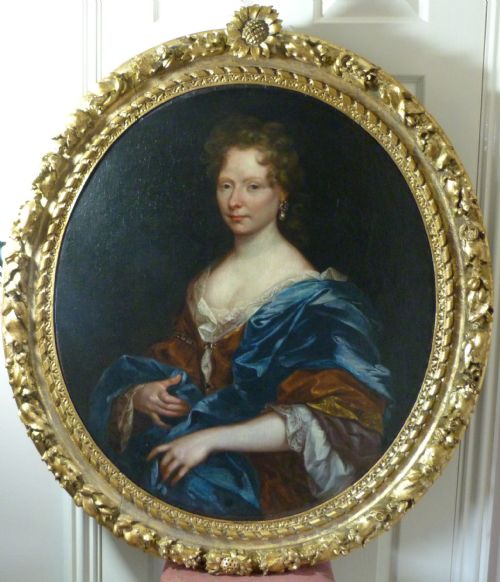
Many pieces are housed in heavy, ornate giltwood frames incorporating gold leaf, complementing the deep tonal contrasts typical of Flemish Baroque and Dutch School compositions.
Dutch Old Master Style Retail Price Guide 2026
Typical asking prices for dutch old master style among the pieces listed under this phrase on Sellingantiques today, from the lower quarter to the upper quarter. They describe what is for sale here now, not the wider market.
The listings span from original seventeenth-century canvases to Victorian and twentieth-century interpretations executed in oil on canvas, wood, paper, and copper.
What separates the finest works
Quality rests upon the sensitivity of the brushwork and the artist's command of chiaroscuro, where the interplay of light and dark defines the spatial depth of the interior or landscape.
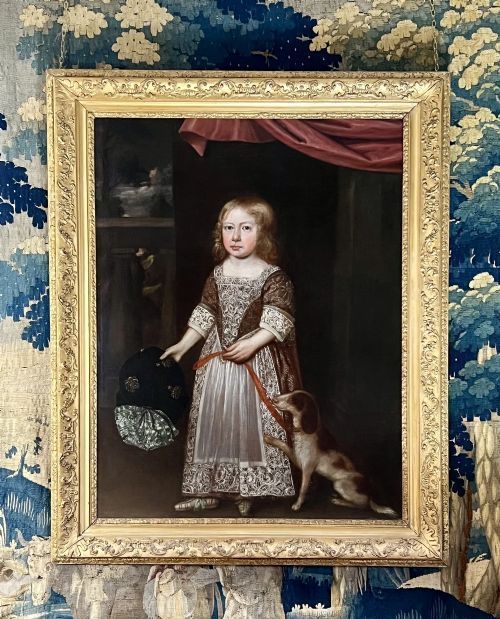
Superior execution shows in the convincing rendering of textures, from the crisp fold of a white satin dress to the soft feather of an exotic bird.
The strength of attribution, whether an authentic period piece from a known circle or a later nineteenth-century homage, directly shapes the character and historical weight of the artwork.
Johannes Lingelbach·David Teniers·Pieter Borseler·Frans Hals·Nicolaes Maes·Marmaduke Cradock·Jacob Bogdani·Rembrandt van Rijn·Philips Wouwerman·Abraham Storck·Jan Steen·Adriaen Hanneman
The Dutch Old Master Style Glossary
- Chiaro-scuro
- An Italian artistic term describing the strong contrast between light and dark, used extensively in these paintings to give figures and objects three-dimensional volume.
- Genre scene
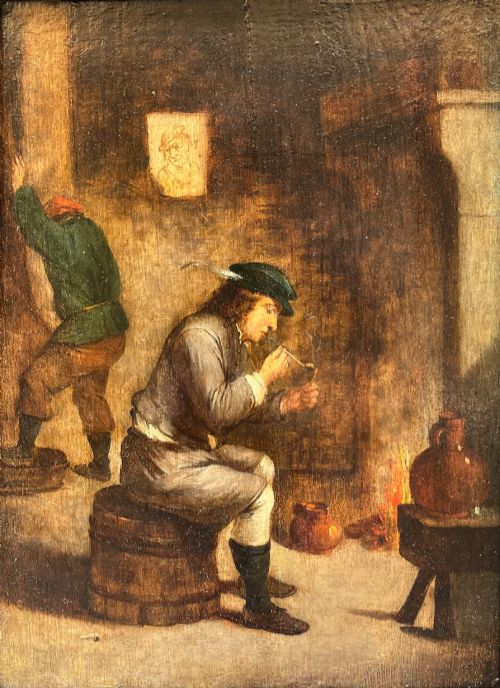
- A painting that depicts aspects of everyday life, such as peasants merrymaking in an interior or figures gathered at a tavern hearth.
- Giltwood
- Wood that has been treated with a thin layer of gold leaf or gilt powder, standard for framing historic European paintings.
- Circle of
- A designation used when a painting is executed by an unidentified artist working closely alongside a master and influenced directly by their style.
- Golden age
- A historical period of exceptional artistic production, referring here to seventeenth-century Dutch painting.
Dutch Old Master Style: Frequently Asked Questions
How do I spot a later copy?
Later copies often display nineteenth-century canvas preparations, machine-woven supports, or framing methods that differ from seventeenth-century workshop practices.
Examining the pigment application under magnification reveals the brush habits and medium consistency typical of revival periods rather than the Golden Age.
What subjects are most common?
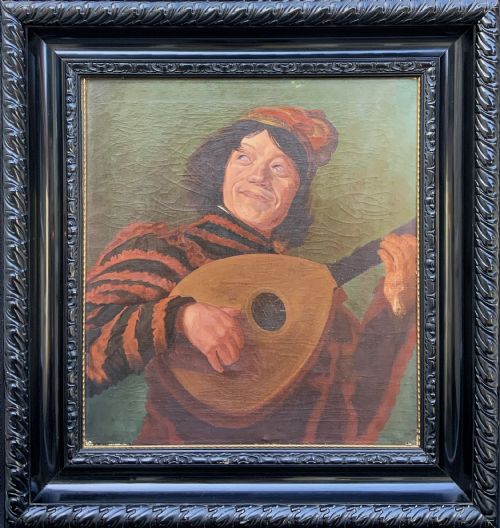
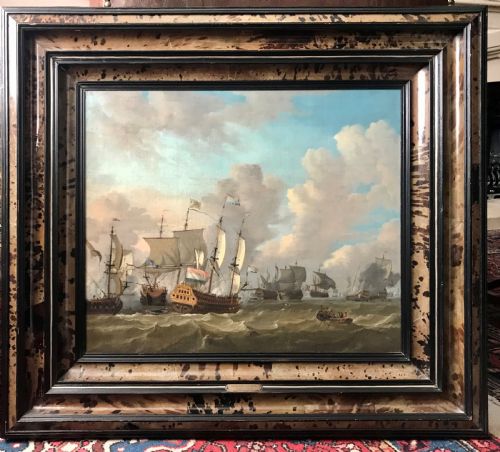
Portraits dominate the selection, ranging from formal depictions of nobility in satin dress to character studies of children and historical figures.
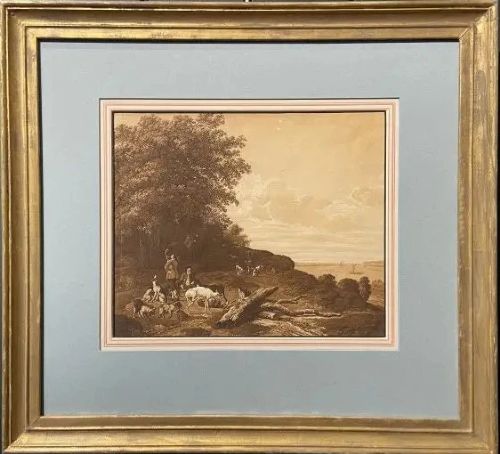
Genre scenes, naval battles, animal studies, and floral still lifes also appear frequently across the periods.
How should I display these paintings?
These works require stable wall environments away from direct sunlight and rapid humidity fluctuations to protect the oil paint and canvas.
Pairing them with traditional giltwood frames enhances their presence in both traditional interiors and modern rooms.
What does circle of mean?
This attribution indicates the painting originates from an unidentified hand working within a master's studio or under their direct influence.
Such pieces share the technical methods and stylistic traits of the named artist without bearing a direct signature.