





Dutch Cupboard Furniture
When you handle dutch cupboard furniture, you meet substantial timber forms shaped by centuries of European cabinet-making traditions.
Dutch Cupboard Furniture
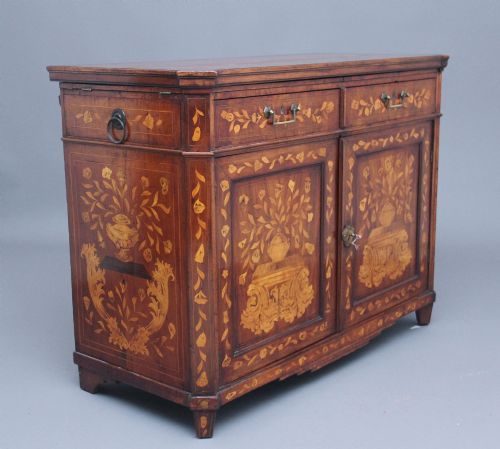
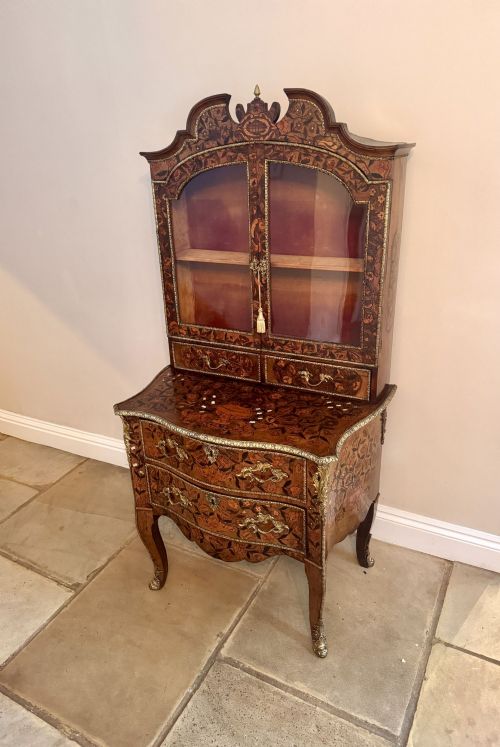
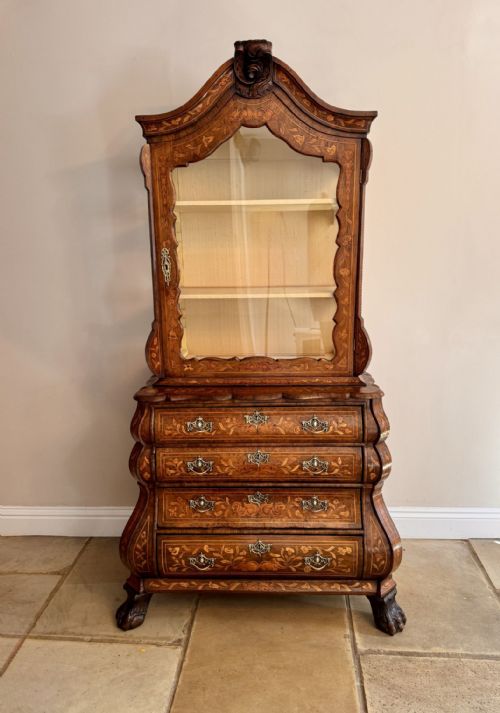
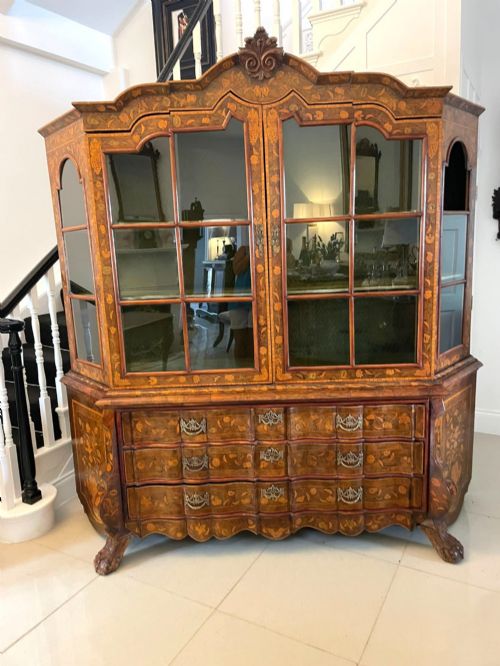
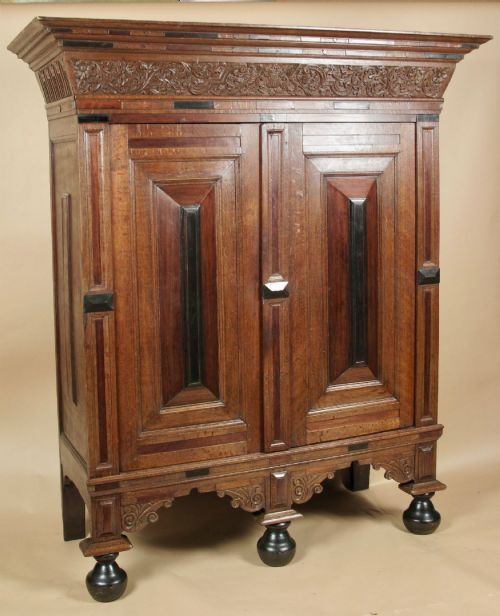
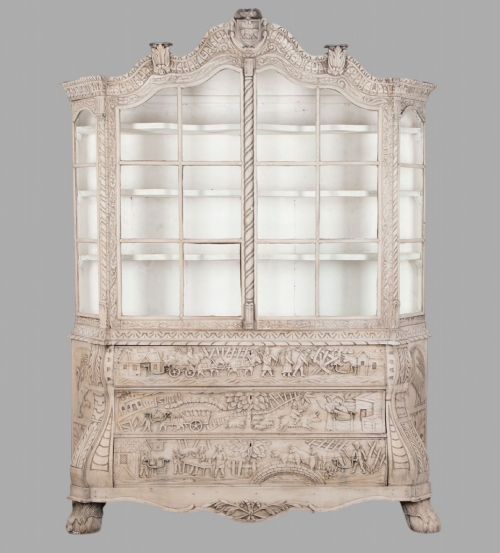
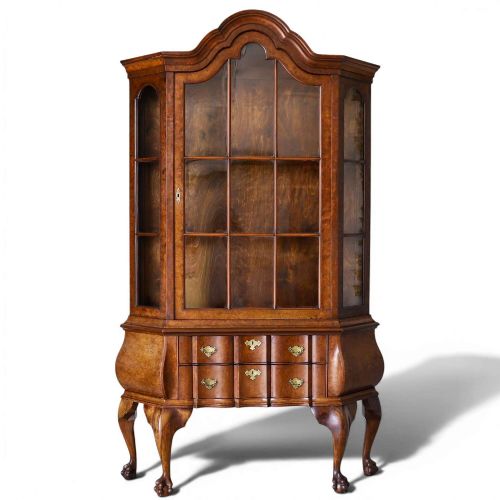
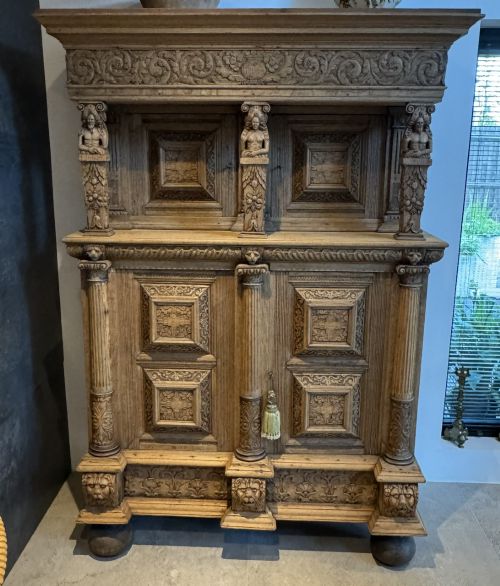
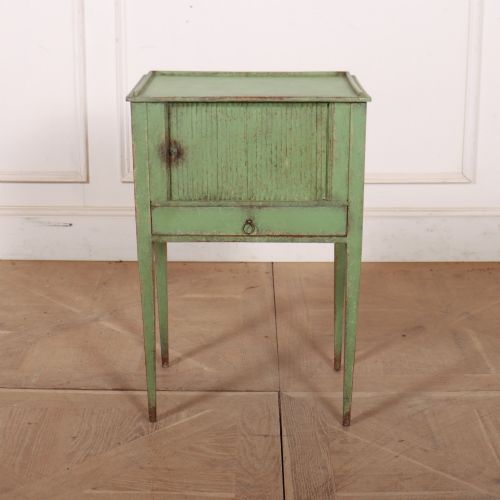
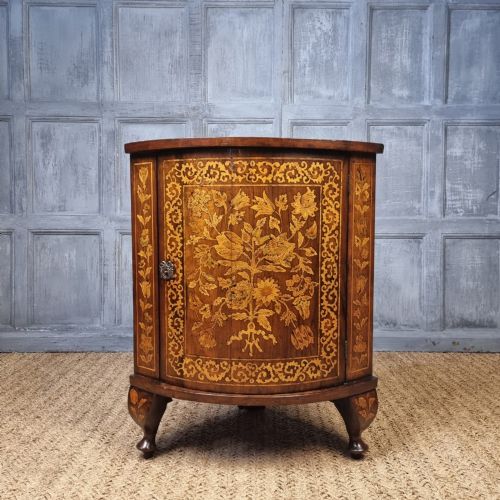
Dutch cupboard furniture encompasses a varied selection of storage and display pieces, ranging from monumental display cabinets on bombe chests to compact bedside cupboards. You will encounter floor-standing corner cabinets, linen presses, armoires, and wall-mounted vitrines reflecting regional continental tastes.
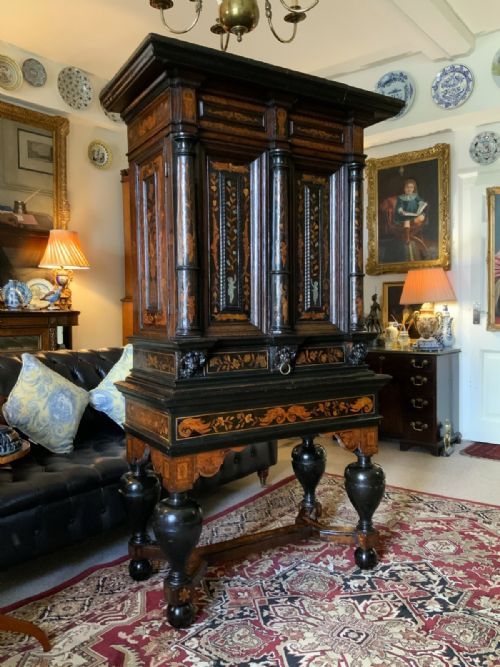
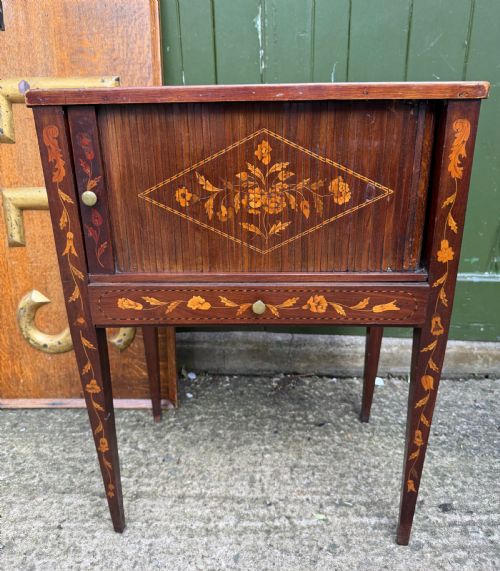
The material palette spans native European hardwoods and decorative veneers, including walnut, burr walnut, oak, fruitwood, and mahogany, frequently embellished with intricate marquetry. These forms bridge utilitarian storage and formal display, developed across the seventeenth, eighteenth, and nineteenth centuries.
How they were made
Cabinet-makers constructed these pieces using solid timbers like oak and fruitwood for structural frames, overlaid with rich walnut and burr walnut veneers. Marquetry panels incorporate complex floral and pictorial inlays utilising varied woods, occasionally accented with pewter.
Glazed doors, brass hardware, and painted finishes complete the construction of these storage forms. Construction methods reflect regional joinery traditions, from early cushion-moulded kasts to later serpentine and tambour-fronted cabinets.
Dutch Cupboard Furniture Retail Price Guide 2026
Typical asking prices for dutch cupboard furniture among the pieces listed under this phrase on Sellingantiques today, from the lower quarter to the upper quarter. They describe what is for sale here now, not the wider market.
Periods represented span from the seventeenth century through the Georgian era to the early twentieth century.
What varies in quality
Quality rests upon the precision of the marquetry inlay and the selection of figured veneers, such as burr walnut. Denser floral patterns and well-preserved surface patination distinguish finer examples from simpler provincial pieces.
The architectural complexity of the carcase, particularly the execution of bombe curves and carved mouldings, determines the standard of manufacture. Original brass fittings and intact glazed panels further elevate a piece.
The Dutch Cupboard Furniture Glossary
- Marquetry
- Decorative veneer work forming intricate patterns or pictures using various coloured woods. This technique defines the surface ornamentation of many continental cabinets.
- Bombe
- An outwardly bulging or swelling contour found on the lower sections of chests and cabinets. It requires considerable skill in carpentry to execute successfully.
- Kast
- A large traditional Dutch or Flemish wardrobe or linen cupboard. These pieces often feature heavy moulded panels and substantial proportions.
- Vitrine
- A glass-fronted cabinet designed for the display of curiosities or fine porcelain. They appear in both floor-standing and wall-mounted formats.
- Tambour
- A flexible shutter or door constructed from narrow strips of wood glued to canvas. This mechanism allows for curved sliding fronts on smaller cabinets and desks.
Dutch Cupboard Furniture: Frequently Asked Questions
What defines dutch cupboard furniture?
These pieces comprise storage and display forms originating from the Netherlands, characterised by distinct regional styles like Dutch Baroque and floral marquetry.
They include tall display cabinets, corner cupboards, linen presses, and smaller bedside tables spanning several centuries.
How do I identify a bombe base?
A bombe base exhibits a pronounced outward curve on the front and sides, swelling gracefully toward the feet.
This sculpted form is frequently paired with flat-topped display cabinets or upper bookcase sections.
What woods were used in these cabinets?
Cabinet-makers utilised a range of native and imported timbers, with walnut, oak, fruitwood, and mahogany forming the primary structures.
Burr walnut veneers and lighter fruitwood inlays were deployed specifically to create high-contrast floral marquetry panels.
Where should I place a corner cabinet?
Floor-standing and hanging corner cupboards suit domestic spaces by utilising unused room junctions for display or enclosed storage.
Glazed upper sections allow for the exhibition of ceramics or glassware while keeping dust away.