





Dutch Baroque Style Painting
When you search for dutch baroque style painting, you enter a world of dramatic lighting, rich oil pigments and historical portraits that capture the gravitas of northern European artistry.
Dutch Baroque Style Painting
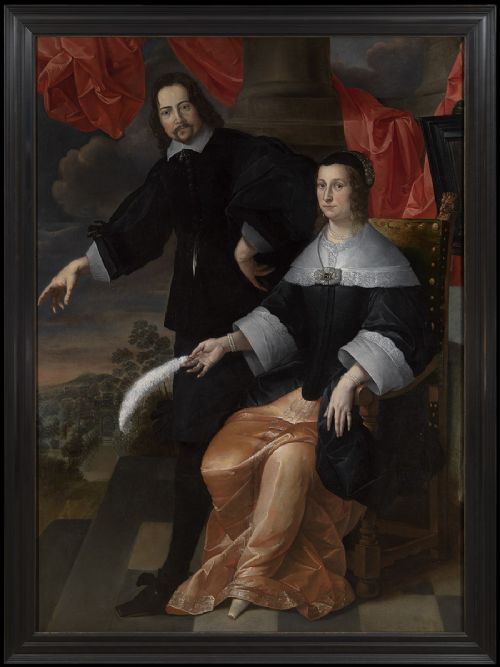
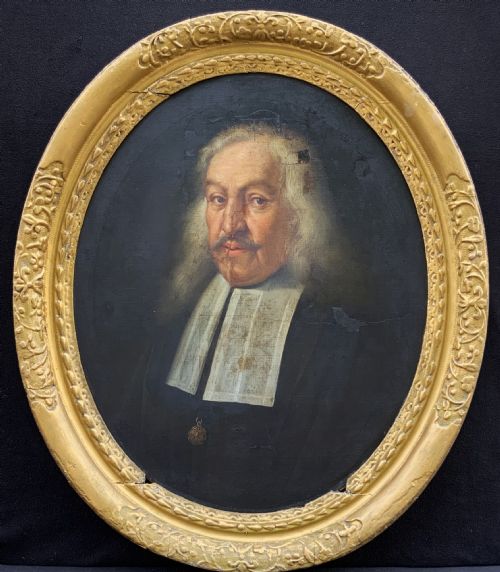
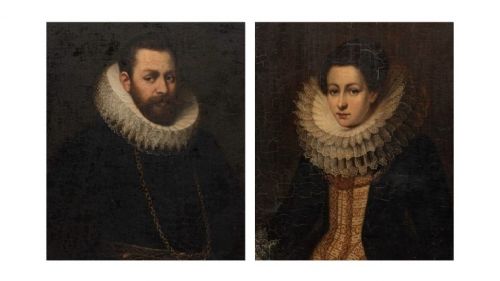
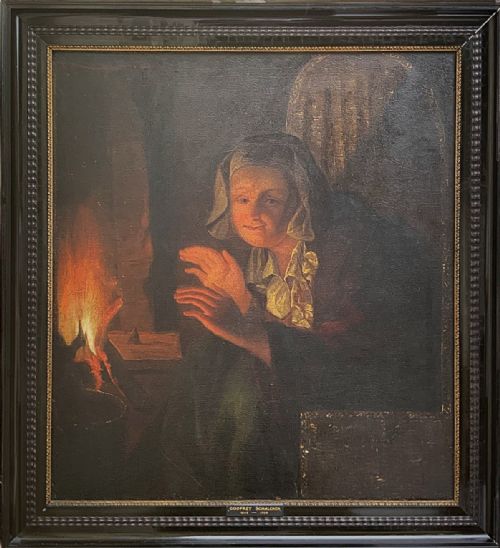
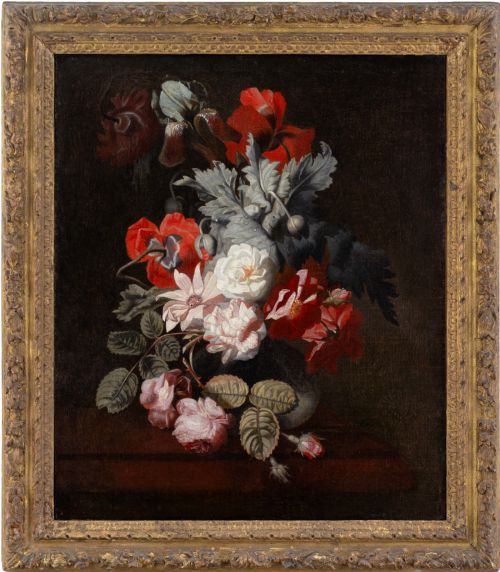
When searching for dutch baroque style painting, collectors encounter a diverse selection of oil works spanning original seventeenth-century creations alongside later nineteenth-century interpretations and twentieth-century studies after old masters. The inventory encompasses formal portraiture depicting noblemen, ladies in ruff collars, and cavaliers, alongside intricate floral still lifes, nocturnal scenes, and interior genre pieces.
Most pieces on this page utilise traditional oil on canvas or wood panel supports, reflecting the methods of the Dutch Golden Age and subsequent revival periods. Alongside traditional flat art, the selection occasionally incorporates complementary decorative items like painted bombe commodes and console tables executed in a corresponding aesthetic.
Materials and technique
The physical foundation of these works relies predominantly on oil paint applied to woven canvas or sturdy wood panels, often framed by ornate giltwood or gold leaf mouldings. Artists built depth through layered translucent glazes and opaque pigments, a technique that allowed for deep shadows and luminous highlights characteristic of the period.
Subsequent interpretations from later centuries continue these traditional oil techniques, utilising similar canvas substrates and pigment formulations to emulate the visual texture and atmospheric depth of original seventeenth-century Northern European schools.
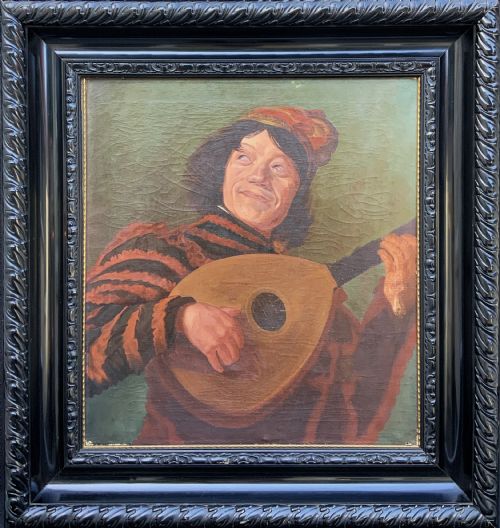
Among the solemn noblemen and grand cavaliers, a cheerful seventeenth-century drinker and a cheeky kitchen servant remind us that historical subjects also enjoyed a laugh.
Evaluating quality and execution
Quality in these works resides in the handling of light, shadow, and anatomical precision, where master practitioners achieve lifelike textures in fabrics like satin and ruff collars. The distinction between a piece executed by a circle or follower versus an attributed studio work rests upon the subtlety of brushwork and the expressive depth of the subject's gaze.
The preservation of the original canvas and the integrity of the paint surface dictate the visual impact of the composition, as fine craquelure and aged varnish layers contribute to the authentic patina of historical fine art.
Bartholomeus van der Helst·Pieter Borseler·Frans Hals·Godfried Schalcken·Nicolaes Maes·David Teniers·Simon Pietersz Verelst·Marmaduke Cradock·Jacob Bogdani·Rembrandt van Rijn·Cornelis van Der Voort·Pieter Claesz·Reinier de la Haye·Willem Wissing·Philips Wouwerman·Jan Steen·Adriaen Hanneman
The Dutch Baroque Style Painting Glossary
- Old Master
- A European painter of skill born before about eighteen hundred, or a painting by such an artist. These works form the historical bedrock of traditional fine art collections.
- Chiaroscuro
- An artistic effect contrasting light and shadow to create a three-dimensional volume on a flat surface. This technique defines the dramatic mood of many baroque compositions.
- Genre Painting
- Pictorial representation of scenes from everyday life, such as peasants merrymaking in an interior or servants in a kitchen. Such works offer a glimpse into historical social settings.
- Trompe l'oeil
- An art technique involving extreme optical illusion in order to depict objects as three-dimensional shapes. It frequently appears in detailed floral and fruit still life compositions.
- Bombe
- A bulging, convex shape characteristic of eighteenth-century furniture design, particularly commodes. This curvaceous form complements the ornate visual weight of baroque interiors.
Dutch Baroque Style Painting: Frequently Asked Questions
What defines a Dutch Baroque painting?
These works are characterised by intense contrasts between light and dark, psychological depth in portraiture, and meticulous attention to surface textures like satin and lace.
Subjects range from noble sitters and mythological figures to bustling domestic interiors and carefully arranged floral still lifes.
How do I care for an oil on canvas?
Keep the artwork away from direct sunlight, extreme temperature fluctuations, and high humidity to prevent the canvas and paint layers from cracking.
Dust the surface gently with a soft, dry brush and avoid using any liquid cleaners or chemical solvents on the paint.
What is the difference between an original and an after-work?
An original seventeenth-century piece was created during the height of the movement by a master or active workshop member, carrying historical immediacy.
Works described as after an artist are later studies or copies painted by subsequent hands to capture the composition of a famous masterpiece.
Why do some listings mention a circle or follower?
Attributions to a circle or follower indicate that an artist worked in the immediate milieu, workshop, or distinct style of a named master without being the primary creator.
This classification reflects the collaborative nature of historical art production where stylistic traits were shared among peers.