


Dublin Sterling Silver
Dublin sterling silver brings together centuries of Irish silversmithing, offering everything from Georgian ladles to mid-century bowls for practical use and display.
Dublin Sterling Silver
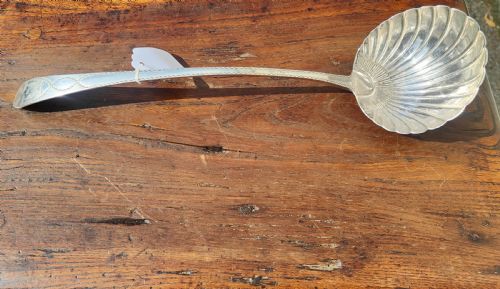
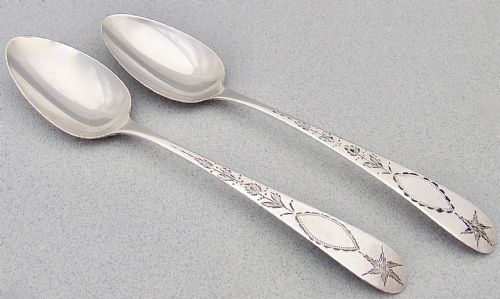
Dublin sterling silver encompasses a wide array of historical tableware, flatware, and decorative vessels produced in the Irish capital. Buyers searching this phrase typically encounter functional items such as marrow scoops, caddy spoons, basting spoons, and tea pots alongside hollowware like bowls and jugs.
The selection ranges widely across periods, spanning the eighteenth century through the Victorian era and into the mid-twentieth century. Georgian and Victorian examples appear frequently, reflecting the active guilds and independent makers operating in Dublin during those eras.
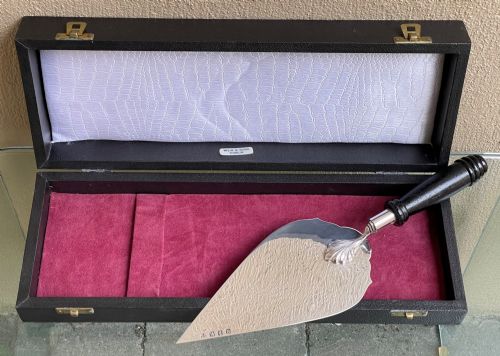
Objects take many forms, from utilitarian serving utensils and presentation trowels to delicate cream jugs and communion dishes. Each piece carries Dublin hallmarks that connect the physical object directly to its municipal assay office origin.
How they were made
Silversmiths shaped sterling silver into heavy gauge platters, bowls, and hollowware using traditional hammering, raising, and casting techniques. Many items incorporate reinforcement or secondary components in wood, ebony, silk, velvet, or steel, particularly in cutlery, trays, and cased sets.
Makers applied precise hand-engraving, crests, and decorative scenes directly onto the metal surface using gravers and chisels. Hallmarking stamps were then struck into the sterling silver to record the metal standard, the city of Dublin, and the specific year of production.
The archive and active inventory capture Dublin silversmithing across the 1750, 1800, Georgian, Victorian, Edwardian, and 1960 periods.
What varies in quality
Quality in Dublin sterling silver rests on the weight of the metal and the crispness of the original hallmarks and hand-engraved crests. Heavier gauge pieces retain their structural integrity and decorative details far better through centuries of use.
The distinction between standard domestic wares and top-tier creations often lies in the depth of chasing, the complexity of hollowware handles, and the prominence of the maker. Pieces bearing clear signatures from notable Dublin workshops command greater attention from collectors.
John Pittar·John Craig·Edward Power·Robert Breading·John Locker·Michael Smith·Thomas Sutton·M Keating·William Nolan
The Dublin Sterling Silver Glossary
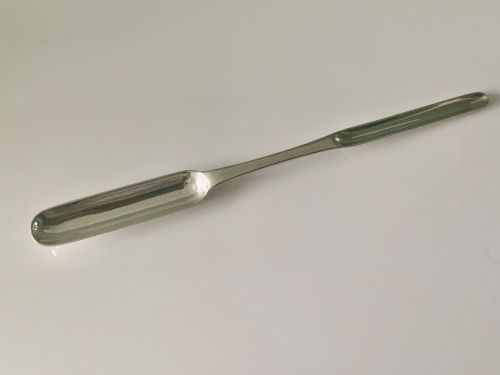
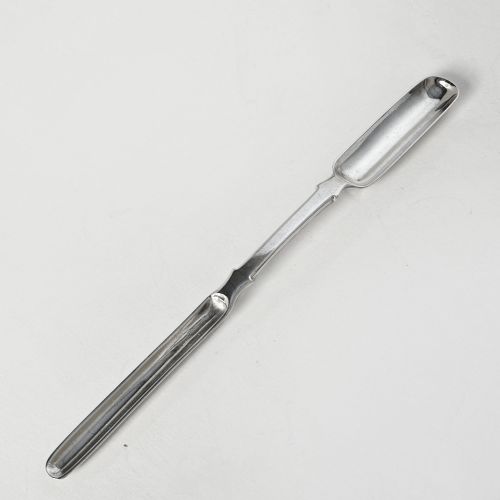
- Marrow scoop
- A narrow, double-ended utensil designed for extracting marrow from bones during formal eighteenth and nineteenth-century dining. One end is usually trough-shaped while the other forms a smaller spoon.
- Caddy spoon
- A short-handled spoon specifically created for measuring dry tea leaves from a storage caddy into the pot. These small items often showcase ornate shovel or shell bowls.
- Basting spoon
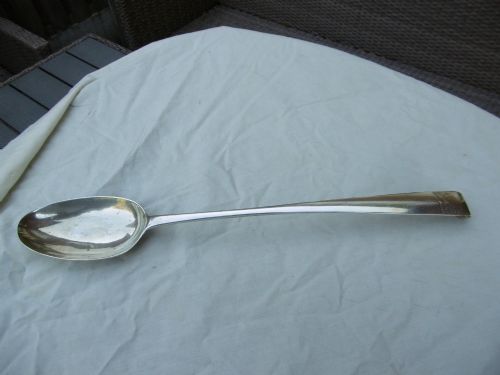
- An elongated spoon used in cooking and serving to ladle juices or gravies over roasting meat. Eighteenth-century versions often feature distinctive hook ends designed to hang securely from the edge of a pan.
- Porringer
- A small, two-handled bowl used for porridges, broths, or soups in early domestic settings. Dublin examples frequently display symmetrical scroll handles attached to a deep circular body.
- Presentation trowel
- A ceremonial tool created to commemorate construction milestones or foundation stone layings. These flat metal blades are usually mounted with decorative handles and inscribed with historical details.
Dublin Sterling Silver: Frequently Asked Questions
What periods do these silver pieces cover?
The inventory spans the mid-eighteenth century through the Georgian and Victorian eras, extending into Edwardian times and mid-century twentieth-century commissions. Eighteenth-century and nineteenth-century examples appear most frequently.
Each era brings distinct stylistic shifts, moving from early Georgian plain forms and Celtic point spoons toward heavier Victorian decorative hollowware and mid-century commemorative bowls.
How can I identify Dublin silver?
Dublin silver is identified through specific municipal assay office marks stamped directly onto the metal. These typically include a crowned harp symbol and the figure of Hibernia alongside date letters and maker initials.
Checking these stamped punches allows you to trace the exact year of manufacture and confirm that the piece was officially tested and assayed within Dublin.
What types of utensils are most common?
The selection includes a heavy concentration of serving flatware such as basting spoons, sauce ladles, marrow scoops, and soup ladles. Tea pots, cream jugs, sugar casters, and two-handled bowls also appear regularly.
These items reflect the dining and entertaining habits of affluent households across the Georgian and Victorian periods in Ireland.
How do I care for antique silver?
Antique silver requires gentle cleaning with specialised silver polish and soft cloths to preserve the underlying metal and hand-engraved details. Avoiding harsh abras<bos>6ves ensures that original hallmarks and crests remain sharp and legible.
Storing pieces in dry environments away from direct sunlight protects any integrated organic materials like wood, ebony, silk, or velvet liners.