



Dressing Case Accessories
These dressing case accessories are the fitted fittings and travel pieces that keep your daily small items in order.
Dressing Case Accessories
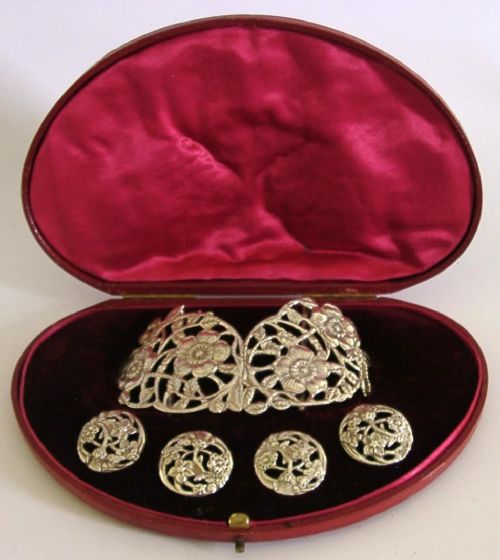
When you search for dressing case accessories, you are looking at the small, fitted items and travelling pieces designed to keep personal effects in order during the nineteenth and twentieth centuries. These pieces range from complete shaving sets and vanity cases to individual belt buckles, buttons, and legal collectables housed in tailored containers.
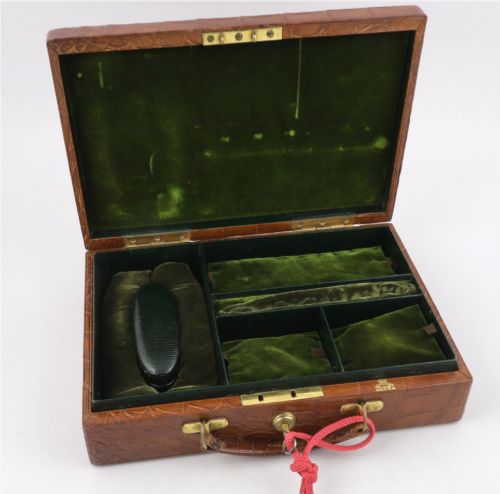
You are most likely to meet Edwardian and Victorian examples on this page, alongside pieces from the Art Deco period of the 1920s and 1930s. The forms vary from travel boxes lined in velvet to cased sets of silver buttons and bespoke leatherette jewellery cases.
How they were made
Makers fashioned these travel and vanity pieces using sterling silver, steel, and brass for the metal components, often pairing them with structural foundations of crocodile leather, horsehair, and leatherette. Metal surfaces received detailed work including silver enamelling and traditional hallmarks, while storage boxes utilised fitted interiors lined with velvet.
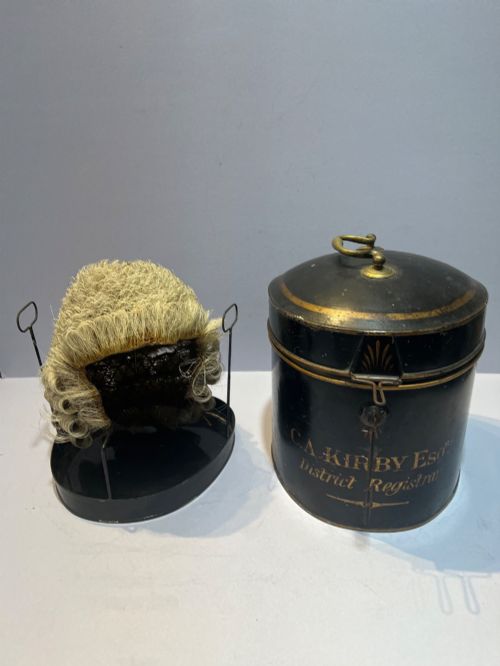
Containers and protective cases were built to withstand travel, combining rigid leather or croc leather exteriors with specialised compartments tailored to hold specific grooming tools, legal wigs, or sets of dress buttons securely in place.
Dressing Case Accessories Retail Price Guide 2026
Typical asking prices for dressing case accessories among the pieces listed under this phrase on Sellingantiques today, from the lower quarter to the upper quarter. They describe what is for sale here now, not the wider market.
The listings span the Victorian and Edwardian periods through to the 1930s, using materials including sterling silver, brass, crocodile leather, and horsehair.
What varies in quality
Quality in these accessories rests on the precision of the metalwork and the integrity of the fitted case. Pieces featuring marked sterling silver and detailed enamelling sit at the upper end of the range, showing careful hand-finishing on items like belt buckles and shaving sets.
The sophistication of the original housing also defines the piece. Complete cased sets with intact velvet linings and bespoke compartments demonstrate a higher standard of manufacture than standalone items lacking their fitted travel housing.
The Dressing Case Accessories Glossary
- Sterling silver
- A silver alloy containing 92.5 percent pure silver by mass, frequently used for dressing case mounts, buttons, and travel boxes. It bears assay office hallmarks indicating the maker and year of production.
- Leatherette
- A simulated leather material made from a cloth base topped with a plastic coating, utilised for durable travel cases and jewellery boxes. It provided a practical exterior finish during the twentieth century.
- Vanity set
- A collection of matching grooming and cosmetic accessories, often including manicure tools and hairbrushes fitted within a dedicated travel case. These sets were essential for personal care during transit.
- Legal collectable
- An item connected to the legal profession, such as a traditional horsehair wig and its fitted storage case. These pieces reflect the formal attire required in courts during the nineteenth century.
Dressing Case Accessories: Frequently Asked Questions
What are dressing case accessories?
These pieces are the individual items and fitted sets designed to organise personal grooming tools, jewellery, and clothing fastenings while travelling. They include cased silver buttons, shaving sets, and vanity accessories.
Most date from the Victorian, Edwardian, and Art Deco eras, reflecting the domestic habits and travel requirements of those periods.
How were grooming sets used?
Travellers packed these sets inside fitted boxes to maintain personal grooming standards away from home. The collections included tools for shaving, manicures, and dressing.
Each item had a designated slot within a velvet-lined case, ensuring secure transport of silver and steel implements during journeys.
How do I identify Edwardian pieces?
Edwardian items often display lighter proportions and specific decorative motifs popular during the reign of King Edward VII. The materials frequently combine sterling silver with fitted leather or crocodile skin cases.
Assay office marks and stylistic cues help distinguish these early twentieth-century examples from heavier Victorian designs.
Why are some cases lined with velvet?
Velvet provided a soft, protective cushion that prevented silver and steel accessories from shifting or scratching during transit. The fabric was tailored to fit the exact contours of each tool.
This fitted interior kept grooming sets organised and ready for use when opening the travel box.