



Dresden Porcelain Statues
These dresden porcelain statues capture courtly elegance in miniature, offering intricate detail and historical charm for the discerning collector.
Dresden Porcelain Statues
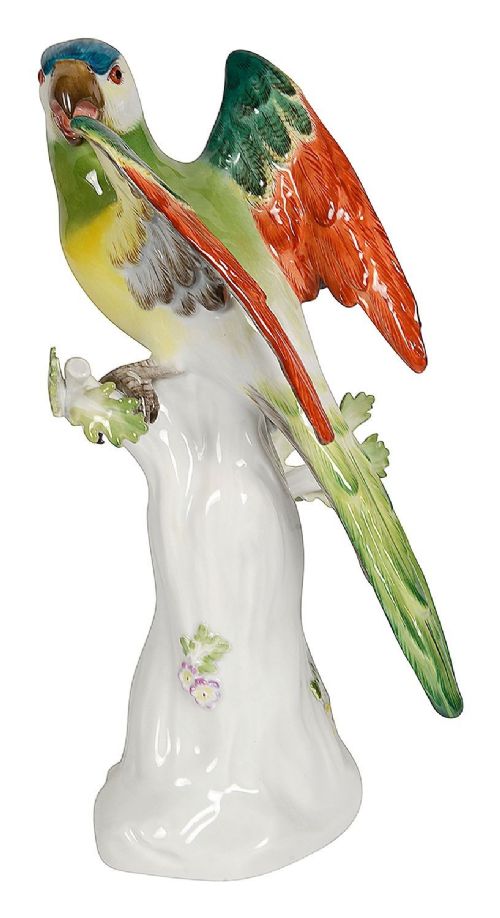
When you search for dresden porcelain statues, you enter a world of finely modelled figures and groups depicting classical allegories, pastoral scenes, and courtly life. The pieces listed here span the eighteenth, nineteenth, and early twentieth centuries, reflecting enduring tastes for ornate table ornaments and mantel displays. You are most likely to encounter nineteenth-century interpretations alongside works from famous German factories that echo earlier styles.
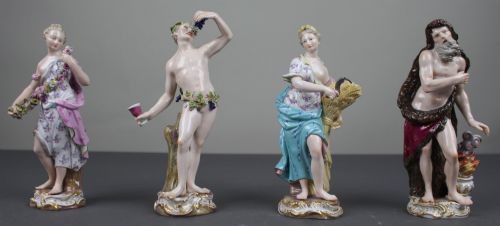
The selection encompasses individual figures, pairs, and elaborate figure groups such as the Four Seasons or musical ensembles. Forms range from simple children gathering fruit to dramatic mythological scenes like the capture of an infant triton. These porcelain figurines originate predominantly from continental European kilns, bringing theatrical flair and meticulous modelling into domestic interiors.
How they were made
Makers utilised hard-paste porcelain fired at high temperatures to achieve a durable body capable of supporting delicate, thin-walled modelling. Artisans applied polychrome enamel colours by hand before a second firing fixed the palette beneath a glossy glaze. Gilding and gold leaf highlights were often added over the glaze to accentuate garments and bases.
Complex compositions required multiple moulded parts joined together with liquid clay before firing, demanding exceptional skill to prevent warping in the kiln. Intricate details such as lace effects required the application of real fabric dipped in slip, which burned away during firing to leave fragile porcelain replicas.
Dresden Porcelain Statues Retail Price Guide 2026
Typical asking prices for dresden porcelain statues among the pieces listed under this phrase on Sellingantiques today, from the lower quarter to the upper quarter. They describe what is for sale here now, not the wider market.
Some nineteenth-century figures feature real lace dipped in porcelain slip before firing, turning fragile fabric into permanent ceramic thread.
What varies in quality
The division between ordinary and exceptional pieces rests upon the crispness of the modelling and the sensitivity of the hand-painting in facial expressions and botanical details. Superior examples exhibit fluid movement in drapery and precise application of enamel glaze without pooling or smudging. The subtlety of the gilding and the naturalistic modelling of hands and fingers separate mass-produced factory output from masterworks.
Proportion and structural balance also dictate worth, as grander figure groups require immense technical control to avoid slumping during high-temperature firing. The depth of historical style emulation - whether drawing on Rococo Revival or Neoclassical idioms - determines the artistic ambition behind each sculpture.
Meissen·Bourdois and Bloch·Carl Thieme·Helena Wolfsohn·Sitzendorf
The Dresden Porcelain Statues Glossary
- Hard-paste porcelain
- A dense, vitrified ceramic composed of kaolin and petuntse fired at very high temperatures. This material forms the durable body of traditional European figurines.
- Enamel
- Vitreous pigments applied over the glazed porcelain surface to create colourful surface decoration. These enamels require low-temperature kiln firings to bond with the glaze.
- Rococo Revival
- A nineteenth-century design movement resurrecting the asymmetric scrolls, shell motifs, and exuberant curves of the eighteenth century. Figures from this period often stand on elaborately scrolled rocaille bases.
- Gilding
- The application of gold leaf or powdered gold mixture to ceramic surfaces for decorative emphasis. It is frequently found highlighting garment borders and sculptural pedestals.
Dresden Porcelain Statues: Frequently Asked Questions
How do I clean porcelain statues?
Dust figures gently with a soft, dry brush to prevent accumulation in crevices and delicate lace work. Avoid using water or chemical cleaners, which can damage fragile enamel paints and historic gilding.
Keep pieces away from direct sunlight to preserve the vibrancy of the hand-painted polychrome decoration over time. Handle statues by their sturdiest sections rather than protruding fingers, limbs, or decorative accessories.
What is hard-paste porcelain?
Hard-paste porcelain is a true ceramic composition fired at exceptionally high temperatures, resulting in a vitreous and translucent material. It resists scratching and provides a sturdy foundation for intricate sculptural modelling.
This durable paste allowed European factories to create ambitious figures with unsupported limbs and delicate clothing without structural collapse during firing.
How do I date a porcelain figure?
Examine the base for factory marks, impressed numbers, and the style of the porcelain body beneath any glaze wear. Stylistic clues such as Rococo Revival curves or Victorian dress forms also help narrow down the period of production.
Comparing the modelling technique and enamel palette with known factory periods provides further confirmation of age and origin.
Were these statues used as table centerpieces?
Many large porcelain figure groups were originally created as decorative garnitures or dramatic dessert table centerpieces for wealthy dining rooms. Guests would admire the allegorical themes and elaborate pastoral narratives while dining.
Over time, these sculptural groups transitioned from dining tables to enclosed cabinets and mantelpieces for permanent domestic display.