




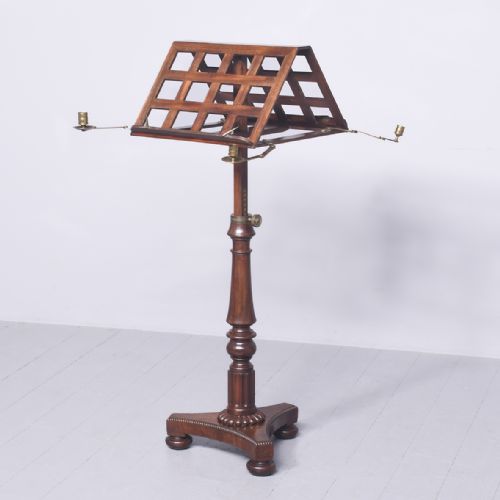


Double Sided Frame
A double sided frame displays two faces at once, offering an ingenious way to exhibit maps, prints, or signs without hiding either side.
Double Sided Frame
A double sided frame brings together varied forms such as maps, pub signs, lithographs, and mirrors across centuries of design. You encounter pieces spanning the seventeenth century through to the mid twentieth century, encompassing periods like the Victorian, Edwardian, and Art Deco eras.
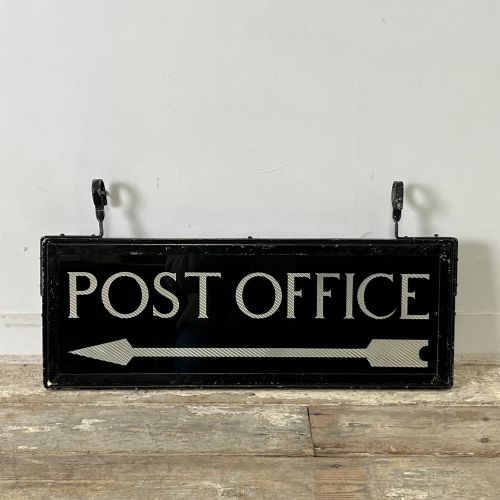
The items range from utilitarian office direction markers and station clocks to fine art prints and decorative dressing room mirrors. These objects reveal how makers solved the problem of displaying two-faced items for public or private viewing.
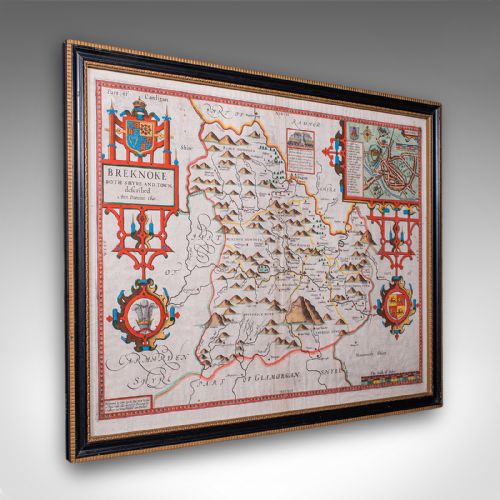
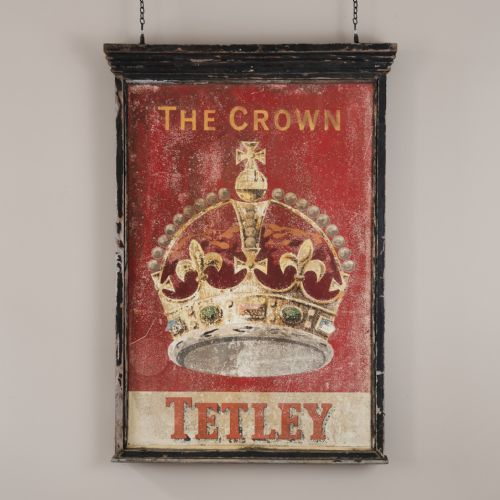
Most examples rely on pivoting mechanisms or glass enclosures to present dual surfaces clearly. Whether holding a seventeenth century county map by John Speed or a nineteen thirties pub sign, these pieces demand placement where both sides remain visible.
Materials and construction
Wood and glass dominate the construction, often paired with brass, iron, or bronze to create sturdy housings that support dual panels. Mahogany and Hungarian ash provide the timber frames, whilst heavy cast metals secure rotating mirror and sign assemblies.
Paper and paint appear on the enclosed items themselves, from early printed cartography to original lithographs and hand-painted religious panels. Glazing techniques use clear glass panes held securely within rebated wooden or metallic mouldings.
Double Sided Frame Retail Price Guide 2026
Typical asking prices for double sided frame among the pieces listed under this phrase on Sellingantiques today, from the lower quarter to the upper quarter. They describe what is for sale here now, not the wider market.
A stray nineteenth century station clock ticking quietly behind double-sided glass still tries to keep time for trains that departed long ago.
Judging quality in dual-faced pieces
Quality rests on the integrity of the pivoting mechanism and the precision of the joinery holding the dual glass plates. A superior piece operates smoothly without straining the surrounding timber or metal frame.
The merit of the contents dictates the standing of the object, whether hand-coloured cartography, signed lithography, or cast bronze mirror surrounds. Finer examples display meticulous finishing on both sides rather than treating the reverse as an afterthought.
John Speed·Gents of Leicester·Mourlot·Versace
The Double Sided Frame Glossary
- Cheval mirror
- A full-length floor mirror hung in a frame that tilts on vertical pivots. This design allows the glass to rotate freely.
- Lithograph
- A print produced by a printing process on a flat stone or metal plate. Artists use this technique to create multiple original impressions.
- Cartography
- The science or practice of drawing maps. Early examples often feature text and illustrations on the reverse side.
- Rebate
- A recess or groove cut into the edge of a piece of timber. Glazing sits inside this channel.
- Ormolu
- Gilt bronze ornamentation applied to furniture and mirrors. This material adds metallic lustre to the framework.
Double Sided Frame: Frequently Asked Questions
How do I hang a double sided frame?
These pieces generally require placement on a table, a desk, or a floor stand rather than flat against a wall. Pivoting mirrors and rotating signs need clearance on all sides to function correctly.
Position the object near a light source that illuminates both surfaces equally. Ensure the supporting structure bears the weight of dual glass panels safely.
What periods do these pieces cover?
The selection spans from the seventeenth century through the Regency, Victorian, and Edwardian eras, extending into nineteen twenties and nineteen sixties modernism.
Early items often include cartography and religious art, whilst later examples feature industrial signs and mirrors. Each era brings distinct materials and assembly methods.
Are both sides always identical?
No, the two faces frequently show completely different information, such as map text on the back of a county boundary, or entirely separate artworks.
Signage and directional markers often repeat the same lettering on both faces for legibility from multiple directions. Examine each side independently to understand the full scope of the object.
How do I clean the glass safely?
Use a soft cloth and a mild cleaning solution applied directly to the cloth rather than the frame. This prevents moisture from seeping into the timber or paper edges.
Support the frame gently if the piece rotates on pivots to avoid straining the hardware. Check that the glass remains secure within its rebates before wiping.