






Double Sapphire Ring
A double sapphire ring brings together two striking stones in one piece, offering collectors a distinctive design with notable variety across periods.
Double Sapphire Ring
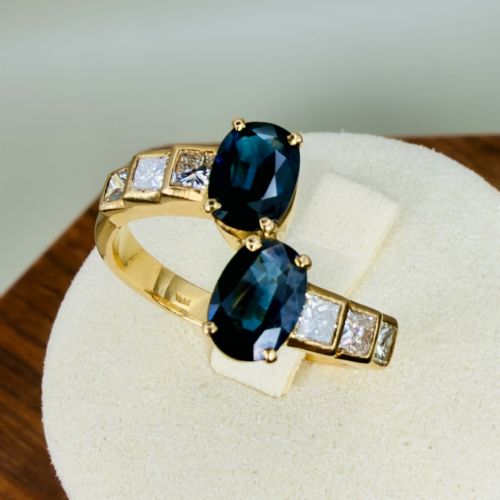
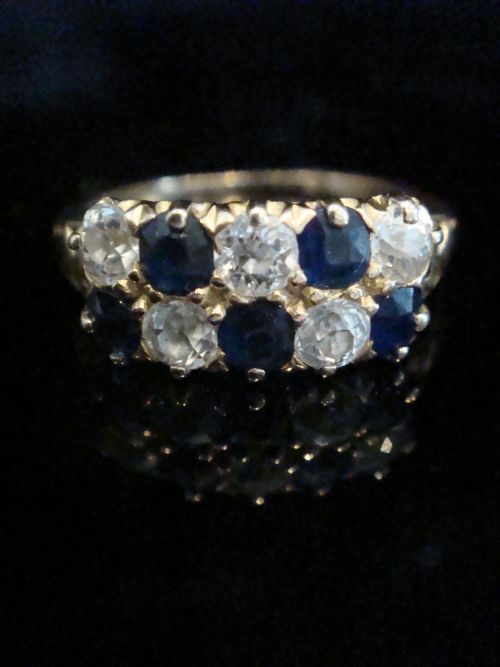
The Edwardian pieces on this page lean towards intricate serpent motifs and boat stacking formats in 18ct yellow gold. Later 1930s and mid-century examples introduce geometric cluster layouts and alternative gold tones.
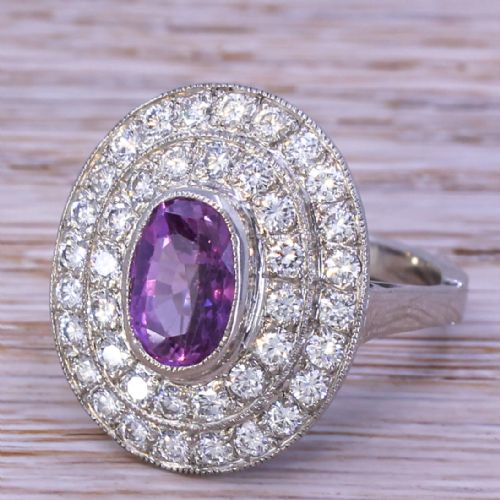
Buyers seeking a double sapphire ring will encounter styles ranging from classic Edwardian snake designs to vintage cluster and halo arrangements. Each period contributes specific mounting techniques and stone cuts that define its overall character.
Materials and construction methods
These rings are constructed primarily from 18ct yellow gold, white gold, and platinum settings that secure the central sapphires alongside old cut and princess cut diamonds. Goldsmiths utilised durable claw and bezel settings to anchor multiple stones securely within compact cluster and halo formats.
Hallmarks stamped into the gold provide official records of origin, with regional assay offices such as London and Chester certifying the metal purity. Stone combinations incorporate natural blue sapphires alongside purple and pink varieties, accompanied by hand-cut diamonds.
Double Sapphire Ring Retail Price Guide 2026
Typical asking prices for double sapphire ring among the pieces listed under this phrase on Sellingantiques today, from the lower quarter to the upper quarter. They describe what is for sale here now, not the wider market.
Listings on this page span the Edwardian era, the 1930s, and the mid-twentieth century, utilising 18ct gold, platinum, and diamonds alongside sapphires.
Assessing craftsmanship and stone selection
Quality in these rings rests upon the saturation and clarity of the sapphires, alongside the precision of the accompanying diamond cuts. Finer examples display balanced stone proportions where neither the sapphires nor the diamonds overwhelm the metalwork.
The integrity of the structural mount, particularly in intricate serpent or multi-stone cluster designs, determines the durability of the piece. Superior manufacturing ensures that delicate claws and overlapping coils remain secure through regular wear.
The Double Sapphire Ring Glossary
- Cluster ring
- A ring featuring a central stone surrounded by a grouping of smaller stones, typically diamonds encircling a sapphire.
- Toi et moi
- A French term meaning you and me, describing a ring style that showcases two main gemstones side by side.
- Old cut
- A diamond cutting style from the late nineteenth and early Edwardian periods characterised by a high crown and small table.
- Hallmark
- Official marks stamped on precious metals to indicate purity and the assay office responsible for testing.
- Halo ring
- A setting where a central gemstone is completely encircled by a ring of smaller pavé or claw-set stones.
Double Sapphire Ring: Frequently Asked Questions
How do toi et moi rings differ from clusters?
Toi et moi designs place two primary gemstones side by side to symbolise two entities, creating an intimate balance within the mounting. Cluster configurations instead centre one or two main stones within a tight arrangement of smaller accent diamonds.
Both styles utilise durable gold and platinum settings, but their visual impact and stone distribution remain distinct.
What metal is most common in these pieces?
Eighteen-carat yellow gold appears most frequently across the Edwardian and mid-century listings on this page. Platinum and white gold also feature in specific periods to provide a contrasting backdrop for the diamonds.
Each metal choice reflects the prevailing aesthetic preferences of the decade in which the ring was manufactured.
Are Ceylon sapphires used in these rings?
Specific listings incorporate Ceylon sapphires, known for their distinct coloration and geographic origin. These stones bring alternative hues, including purple shades, to the traditional double sapphire format.
Gemstone origin adds historical context for collectors interested in specific mining regions and natural stone characteristics.