

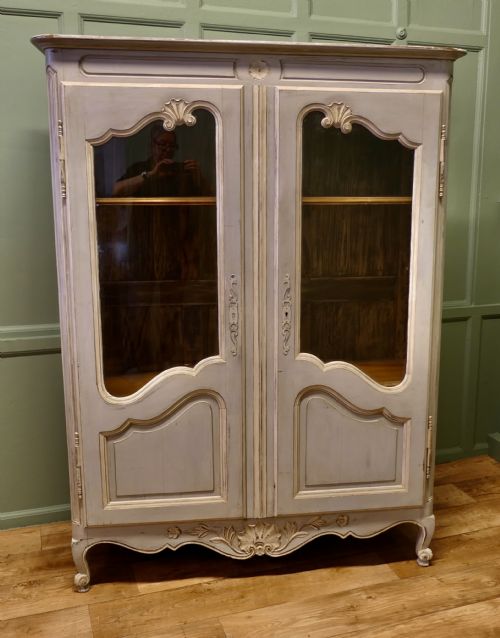
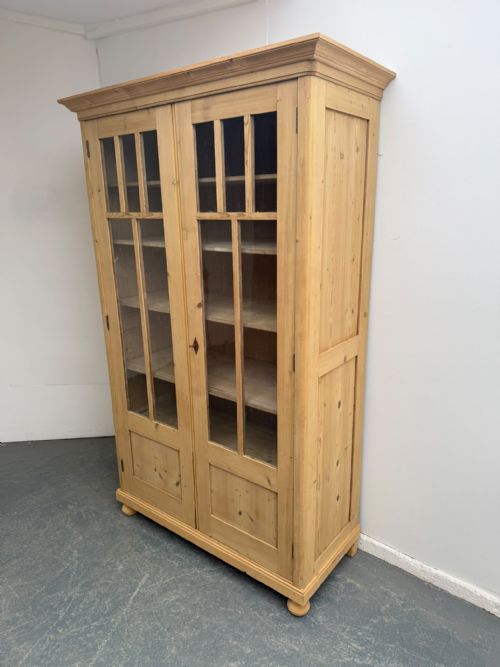
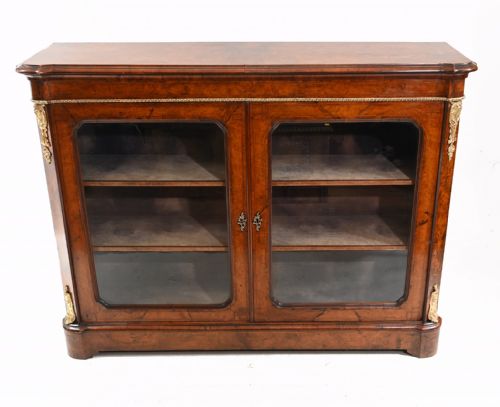
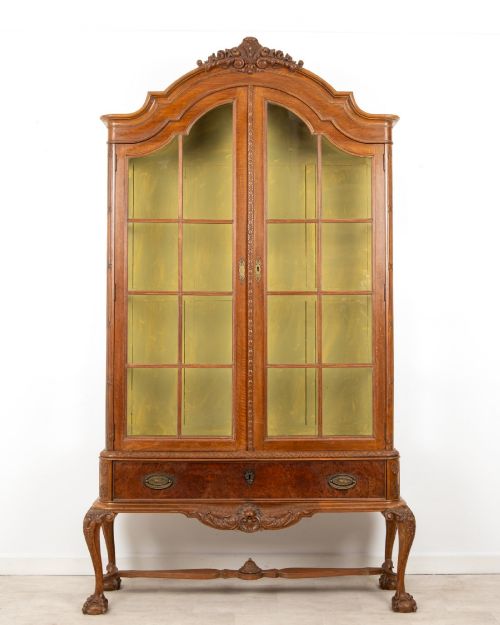


Double Glass Door Cabinet
A double glass door cabinet displays books or china behind fitted timber frames, offering a practical way to curate treasured objects in the home.
Double Glass Door Cabinet
A double glass door cabinet serves as a focal point for storage and display, appearing across periods from the Georgian era through to the Edwardian years and the nineteen-twenties. These pieces take forms such as tall bookcases, pier cabinets, vitrines, and bureau bookcases designed to house collections safely.
The most common examples on this page date from the Victorian and Edwardian periods, constructed in timbers like mahogany and walnut with glazed doors. Buyers encounter both standing bookcases and smaller display pieces featuring fitted shelves and decorative glazing bars.
Origins range from British workshops working in revival styles like Chippendale and Queen Anne to continental pieces displaying French Empire or Rococo influence. Each variant provides distinct visual weight depending on whether the timber is figured walnut, mahogany, or painted pine.
Assessing construction standards
Quality rests upon the selection of timber veneers and the precision of the joinery used in the carcass and door frames. Finer pieces demonstrate careful grain matching across double doors and well-executed inlay work rather than painted surface disguise.
The sophistication of the glazing bars and the weight of the brass or ormolu furniture indicate the original tier of manufacture. Superior examples maintain smooth operation in the doors and tight joints throughout the standing structure.
Double Glass Door Cabinet Retail Price Guide 2026
Typical asking prices for double glass door cabinet among the pieces listed under this phrase on Sellingantiques today, from the lower quarter to the upper quarter. They describe what is for sale here now, not the wider market.
Some Victorian cabinets arrived home only to reveal they were too tall for the parlour ceiling, requiring a swift relocation to the hall.
The Double Glass Door Cabinet Glossary
- Astragal glazing bar
- A slender wooden moulding that divides individual panes of glass within a cabinet door. These bars form geometric or curved patterns typical of period joinery.
- Burr walnut
- A prized timber harvested from growth deformations on walnut trees, yielding highly figured grain patterns. Cabinet makers applied it as a veneer on prominent surfaces.
- Marquetry
- The art of applying decorative pieces of veneer to a structure to form pictorial or ornamental designs. Craftsmen utilised various coloured woods to achieve contrast.
- Ormolu
- Gilded bronze mounts applied to furniture for decorative enrichment, common in continental pieces. This technique adds metallic contrast to timber surfaces.
- Pier cabinet
- A low cabinet designed to fit against the wall space between windows. These pieces often feature a single or double glass door for displaying china.
Double Glass Door Cabinet: Frequently Asked Questions
How do I style a double glass door cabinet?
Arrange books, ceramics, or glassware on the shelves with varying heights and negative space to prevent visual clutter.
Keep items grouped by colour or material so the interior looks intentional rather than crowded behind the glass.
Are these cabinets suitable for small rooms?
Glass doors reflect light and create a sense of depth, which helps smaller spaces feel less confined.
Selecting a shallower pier style or a lighter timber tone prevents the piece from dominating the room.
How do I clean the interior glass?
Use a lint-free cloth and a mild glass cleaner applied directly to the cloth rather than the wood.
Avoid spraying near antique polished surfaces to protect the timber finish from moisture damage.
Can adjustable shelves hold heavy books?
Most period bookcases use wooden support pegs or fixed internal tracks to hold shelves at different heights.
Distribute heavier volumes evenly across the shelf span to prevent bowing in older timber.