






Double Cluster Ring
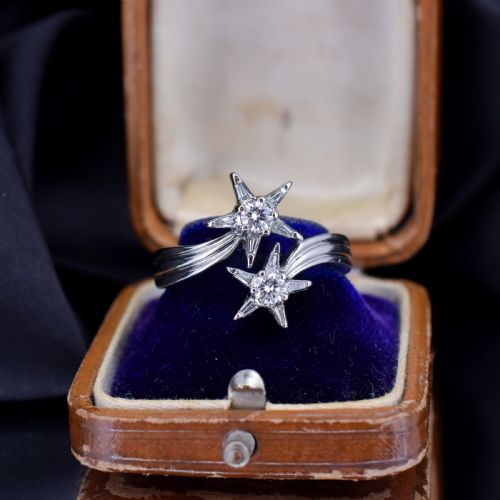
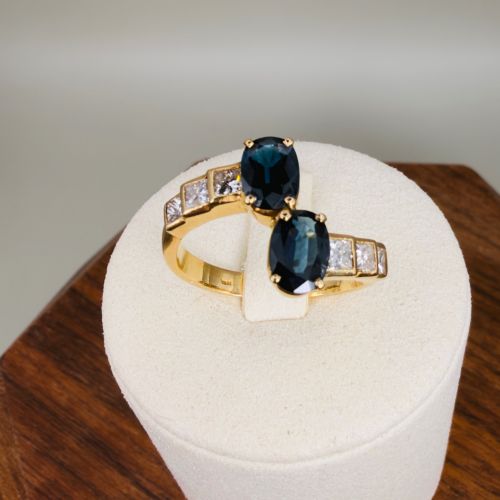
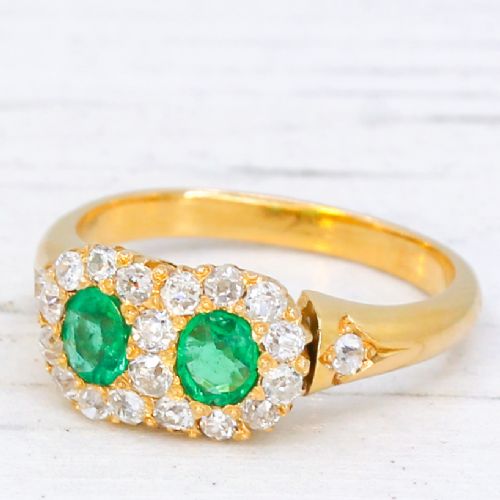
A double cluster ring brings together two concentric tiers of gemstones or paired settings, offering exceptional visual weight and brilliance on the hand.
Double Cluster Ring
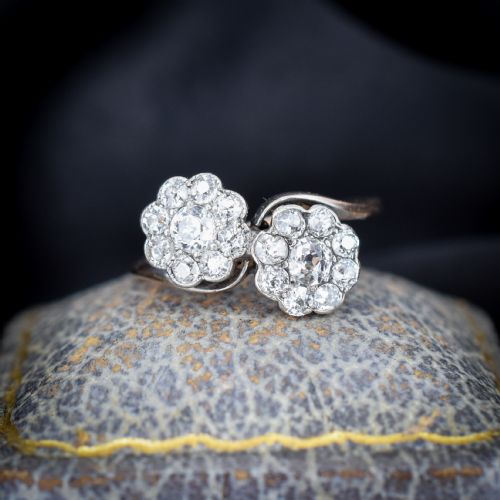
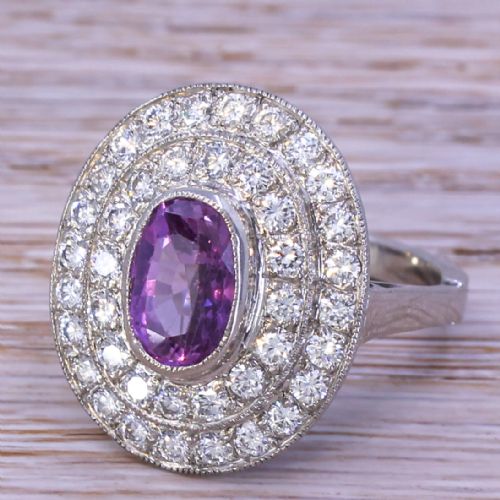
A double cluster ring presents a prominent central arrangement of stones surrounded by two distinct rings of gems or a dual-focused design. These pieces span from the 19th century through the Edwardian and Art Deco periods into the mid 20th century.
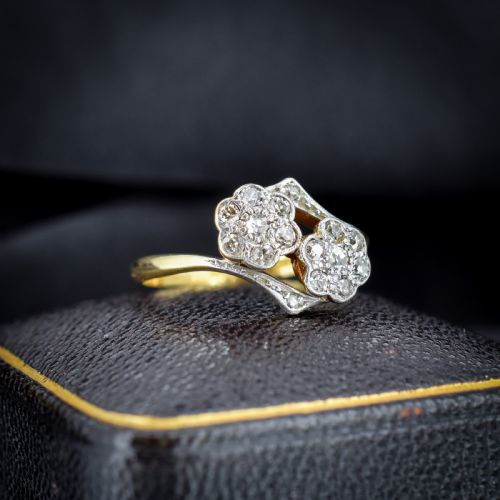
The layout often takes the form of a double daisy, twin floral motifs, or concentric halos framing diamonds, sapphires, rubies, or emeralds. Yellow gold, white gold, and platinum serve as the primary foundational metals for these layered configurations.
How they were made
Jewellers shaped these rings using 18ct yellow gold, 18ct white gold, and platinum to securely house multiple stones in close proximity. Old cut diamonds, princess cuts, and calibrated sapphires, rubies, or emeralds were hand-set into intricate multi-tiered frameworks.
Techniques evolved from early claw and collet settings in Victorian and Edwardian workshops to geometric millegrain work during the Art Deco era. The construction demands precise alignment to support two tiers of gems without compromising structural integrity.
Several rings double down on floral charm by arranging diamonds into dual daisy petals that bloom twice over the finger.
What varies in quality
Quality rests in the proportional balance between the inner and outer clusters, alongside the matching and clarity of the stones used. Superior examples maintain clean symmetry in their multi-tiered layout and secure, delicate metalwork that does not overpower the gems.
The choice of materials also dictates distinction, with fine natural sapphires, rubies, or emeralds paired with old cut diamonds representing the upper tier of craftsmanship. The integrity of the original setting work remains paramount as these layered rings age.
The Double Cluster Ring Glossary
- Double cluster
- A ring design featuring two concentric tiers of gemstones or a dual-focused arrangement surrounding central stones. This layout creates an expansive face on the finger with multiplied brilliance.
- Old cut
- A diamond facet style hand-cut before modern machinery, characterised by a smaller table, higher crown, and open culet. These stones display a softer, candlelit sparkle distinct from modern brilliant cuts.
- Toi et Moi
- French for you and me, denoting a ring design with two main gems symbolising two souls intertwined. In these pieces, the motif often merges with multi-tiered cluster work.
- Halo
- A ring of smaller pavé or prong-set gemstones encircling a larger centre stone. Double versions employ two concentric rings to magnify visual presence.
Double Cluster Ring: Frequently Asked Questions
How do I wear a double cluster ring daily?
These rings require mindful wear due to their broad multi-tiered settings and multiple stones. Rotating them off during heavy manual tasks protects the claws from catching.
Pairing them with low-profile bands prevents friction against the outer tier of gems. Regular professional checks keep the numerous settings secure.
How do I clean a double cluster ring?
Warm water with mild soap and a soft brush safely removes oils trapped beneath the dual tiers of stones. Avoid harsh chemical dips that can damage softer gems like emeralds or pearls.
Allowing the piece to dry thoroughly on a soft cloth prevents moisture retention in the enclosed backing. Professional ultrasonic cleaning should be reserved for durable stones without foil backs.
What periods do double cluster rings come from?
Examples span from the 19th century through the Edwardian, Art Deco, and mid 20th century eras. Each period imparts distinct characteristics, from Victorian floral motifs to geometric Art Deco halos.
1960s and later vintage pieces also appear, reflecting enduring favour for multi-stone layouts. Dating relies on stylistic cues and metal choices rather than a single fixed era.
How do I tell Edwardian from Art Deco examples?
Edwardian double cluster rings favour yellow gold and platinum with organic floral forms like daisies and intricate openwork. Stones are frequently old cut with soft, rounded profiles.
Art Deco pieces transition into crisp white gold or platinum with geometric lines and sharp millegrain detailing. Sapphires, rubies, and emeralds are often cut into precise calibré or princess shapes.