

Dog Portrait Art
Dog portrait art captures canine character across centuries of oil paintings, watercolours, and etchings.
Dog Portrait Art
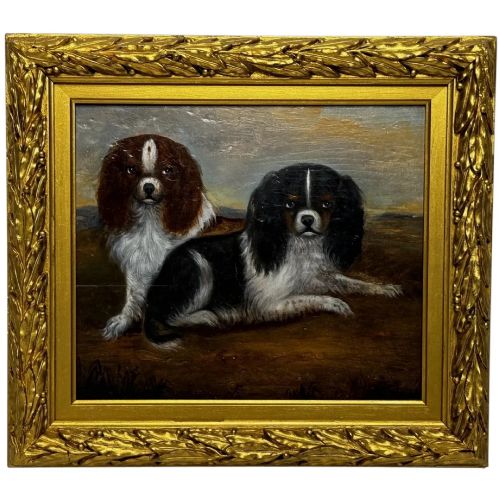
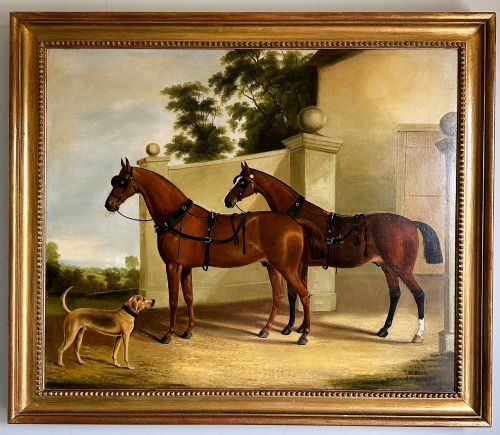
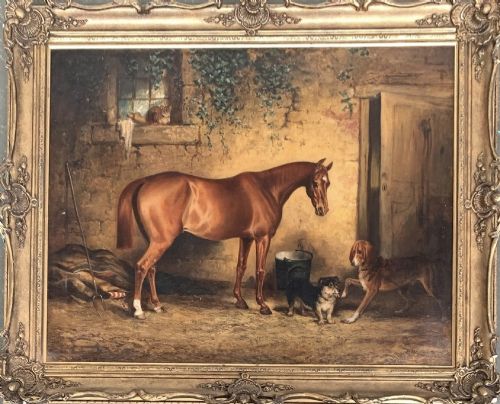
Dog portrait art encompasses painted, drawn, and printed representations of canines, ranging from working terriers and gundogs to spaniels and hounds. These pieces span multiple centuries, capturing the changing ways artists have rendered animal subjects alongside their human companions or within pastoral landscapes.
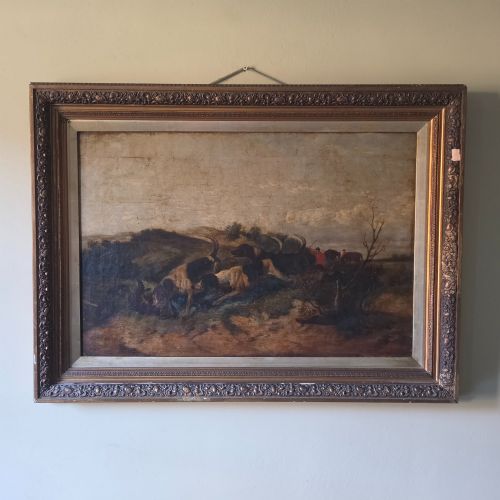
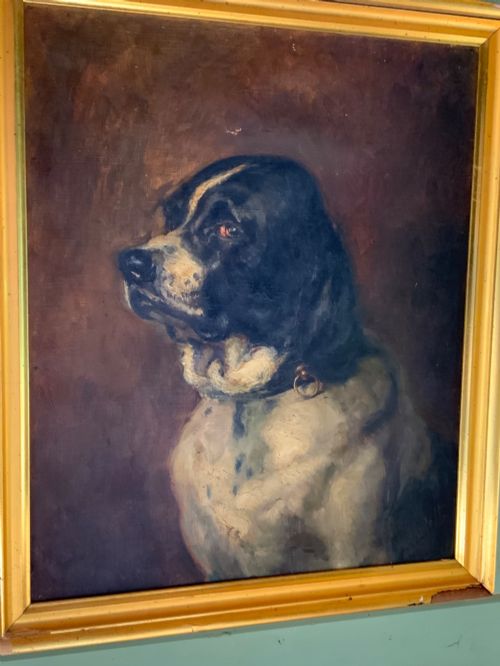
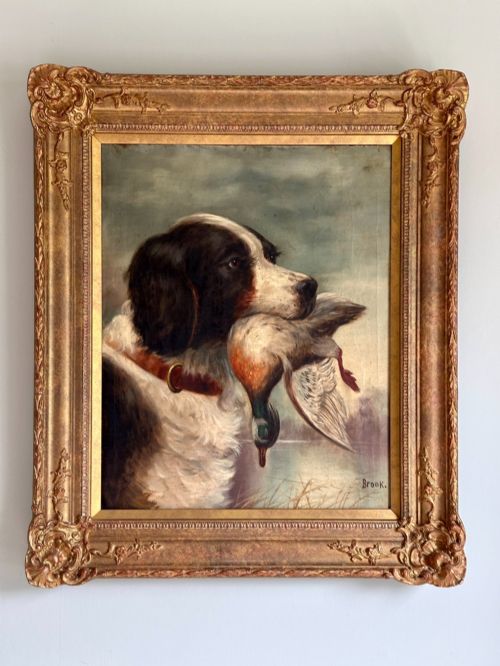
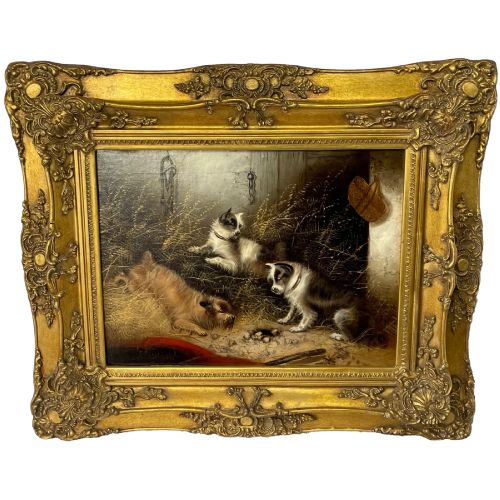
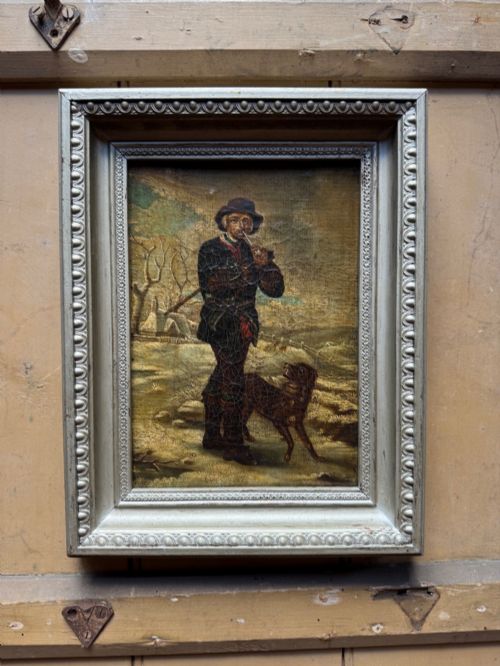
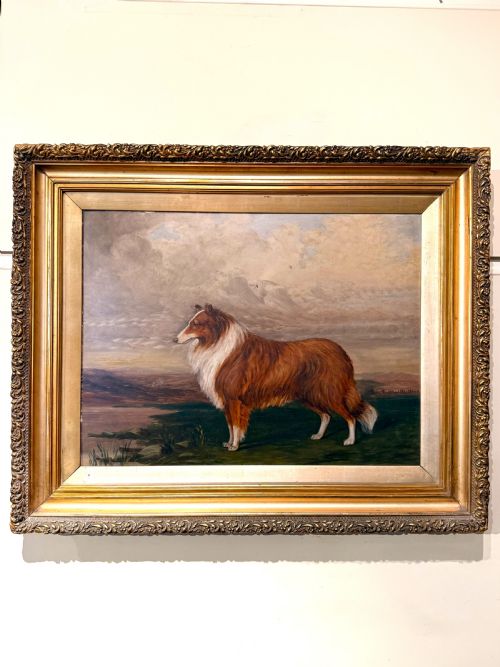
Buyers seeking dog portrait art most frequently encounter nineteenth-century oil paintings on canvas or board. These works often highlight specific breeds like spaniels, terriers, and sporting dogs, reflecting the Victorian and Edwardian fascination with sporting art and domestic animal companionship.
Materials and construction methods
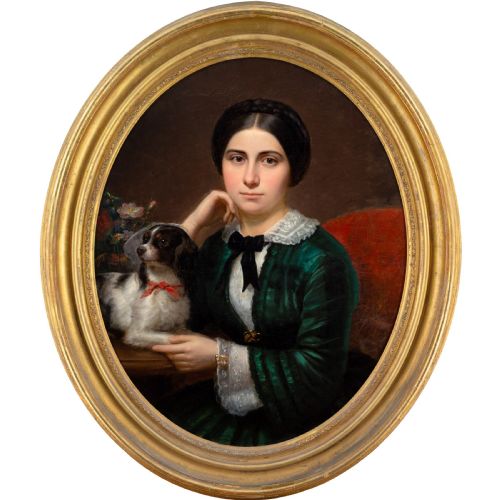
Artists creating dog portrait art relied primarily on oil paint applied to canvas or wood panel, often housed within period frames made of giltwood or burr maple. The physical support dictates much of the piece's survival, with canvas stretched over wooden frames and boards offering rigid surfaces for detailed brushwork.
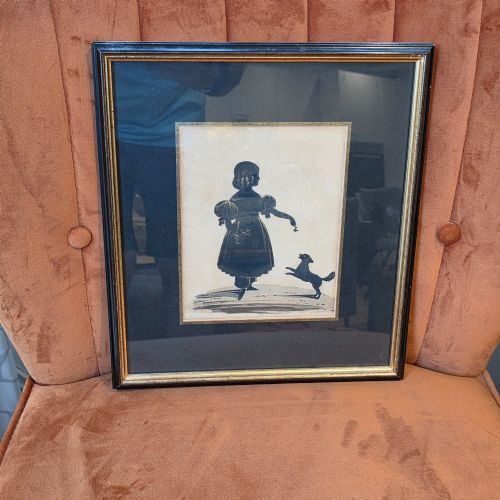
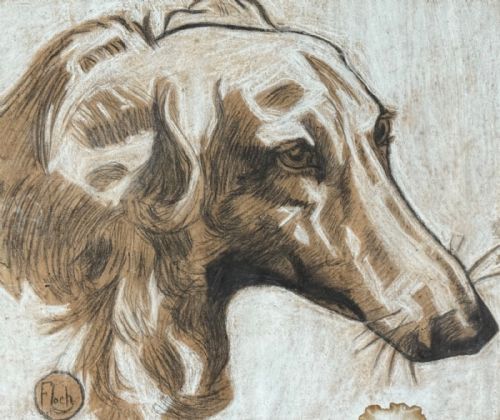
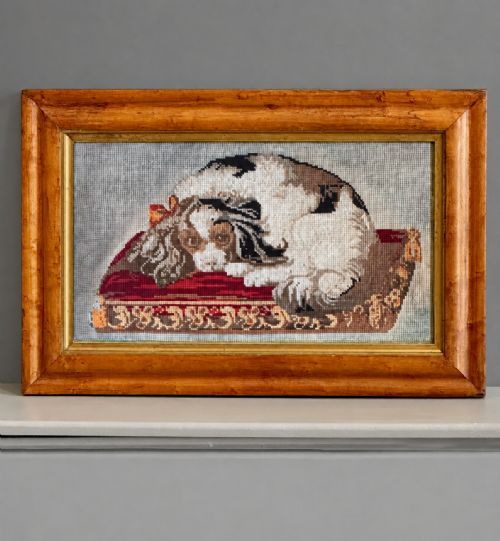
Works on paper utilise watercolour, gouache, pastel, or pencil, frequently preserved beneath protective glass. Etchings provide a printed medium through which detailed animal textures are rendered via inked plates, while needlework pieces employ coloured threads to stitch canine forms onto canvas.
Factors influencing quality
The anatomical accuracy and psychological depth of the animal subject define the upper tier of dog portrait art. Skilled painters capture the individual expression, coat texture, and alertness of the dog rather than merely rendering a generic breed type.
The integrity of the original materials, including untouched oil paint surfaces and period frames such as burr maple or giltwood, distinguishes superior pieces. Evidence of skilled draughtsmanship in preliminary pencil or pastel work underpins the success of finished drawings and watercolours.
Henry Barraud·Edward Armfield·William James Hubard·Herbert Dicksee·Valentine T. Garland·Martin Theodore Ward·John Sargent Noble·Thomas Hicks·LM Webb·Arthur Wardle·John Emms·John Frederick Herring Senior
The Dog Portrait Art Glossary
- Oil on canvas
- Pigments bound in a drying oil applied to a woven fabric support stretched across a wooden frame. This medium allows for rich blending of colours and deep tonal variations.
- Etching
- A printmaking process where lines are bitten into a metal plate with acid before being inked and pressed onto paper. Herbert Dicksee utilised this technique for detailed animal prints.
- Giltwood
- Wood that has been coated with a thin layer of gold leaf or gold paint. This finish frequently appears on nineteenth-century frames surrounding fine art paintings.
- Gouache
- An opaque water-based paint that dries to a matte finish, often combined with pencil or watercolour on paper. It provides solid areas of colour in illustrative works.
- Needlework
- Designs stitched with yarn or thread onto a canvas mesh ground, historically known as Berlin work when using coloured wools. These textiles preserve domestic scenes and animal subjects in fibre.
Dog Portrait Art: Frequently Asked Questions
What periods do these artworks come from?
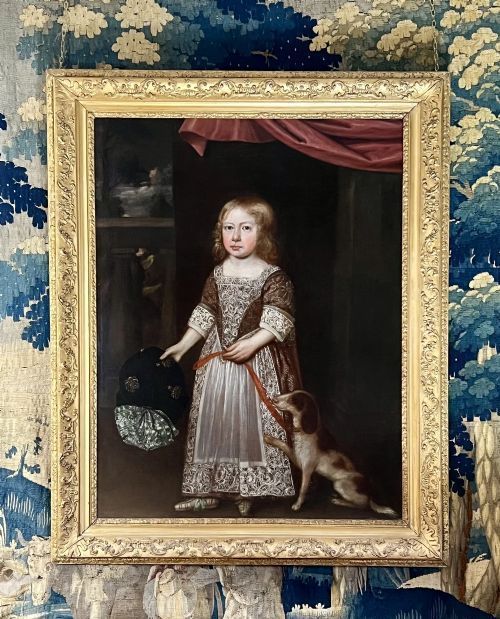
The available pieces originate primarily from the nineteenth and early twentieth centuries, encompassing Georgian, Regency, Victorian, and Edwardian eras. Certain works extend back to the seventeenth century or forward through the mid-twentieth century.
These dates derive from stylistic evidence, artist signatures, and framing materials associated with specific decades of production.
How should I display these artworks?
Framed oil paintings and watercolours suit residential walls away from direct sunlight and excessive moisture. Maintaining stable indoor temperatures protects both the canvas supports and the historic wood or gilt frames.
Works on paper require glass protection and acid-free mounts to prevent fading of pastels, gouaches, and etchings over time.
How are different dog breeds represented?
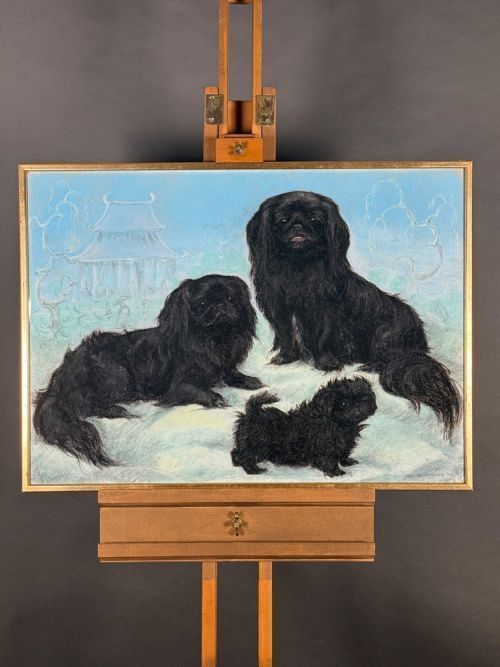
Artists record a wide variety of canines, including working terriers, spaniels, gundogs, hounds, collies, and toy breeds like Pekingese. Sporting dogs and gun dogs appear frequently in nineteenth-century hunting and landscape contexts.
The depiction ranges from individual character studies of pet dogs to working packs documented in rural sporting art.
What framing is typically found?
Many pieces retain their original period frames, including ornate giltwood designs and distinctive burr maple mouldings. These frames often match the aesthetic of the painting's era.
Original framing adds historical context and complements the visual weight of oil paintings and needlework pieces.