
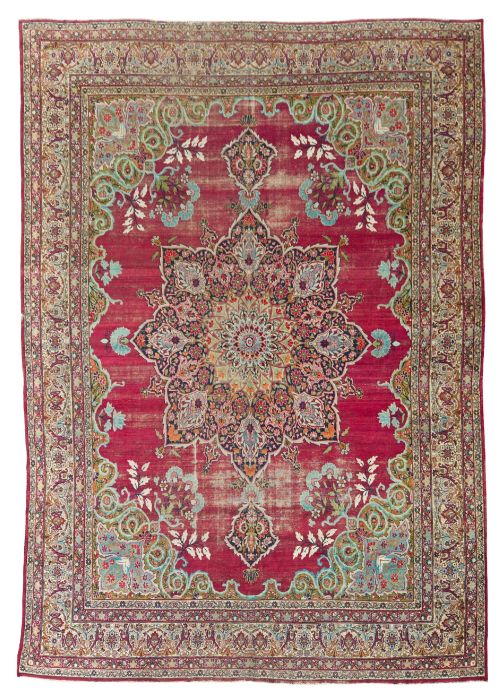
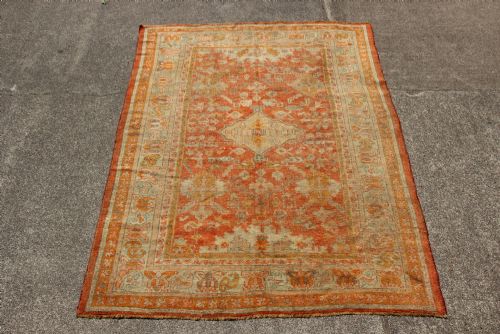
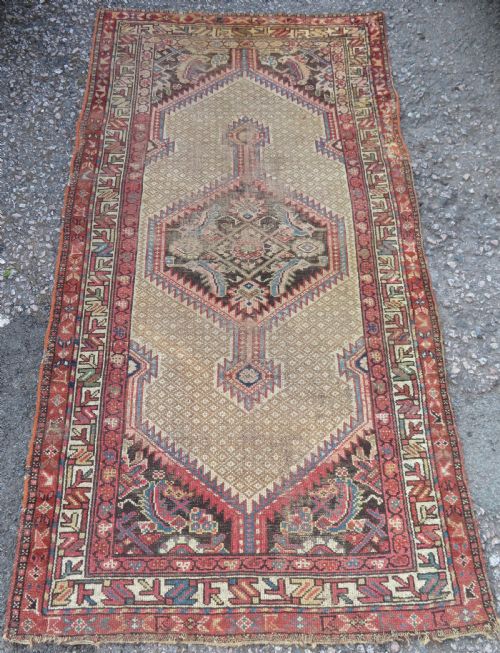
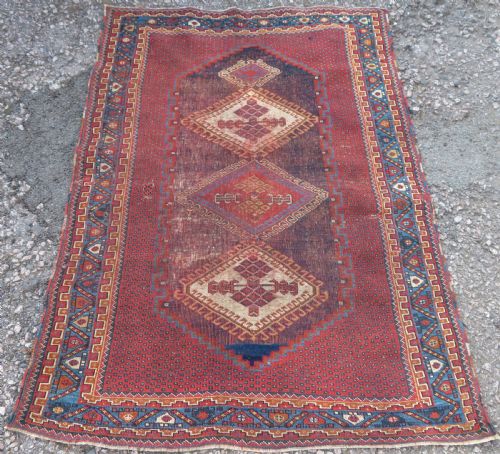
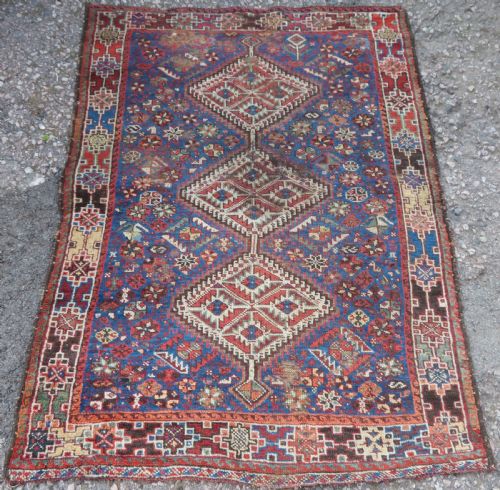
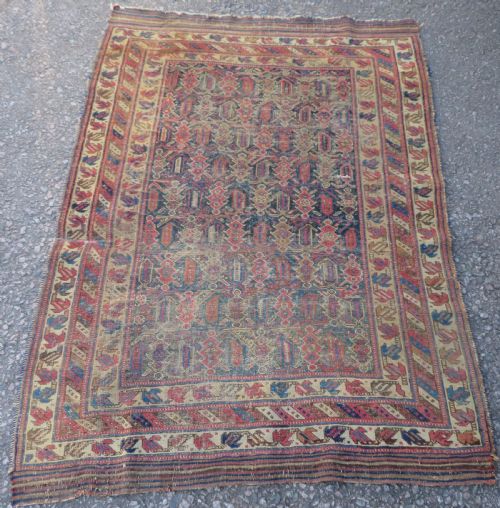
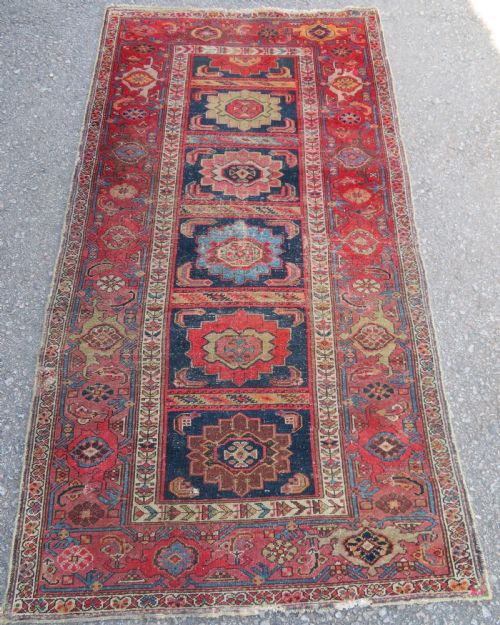
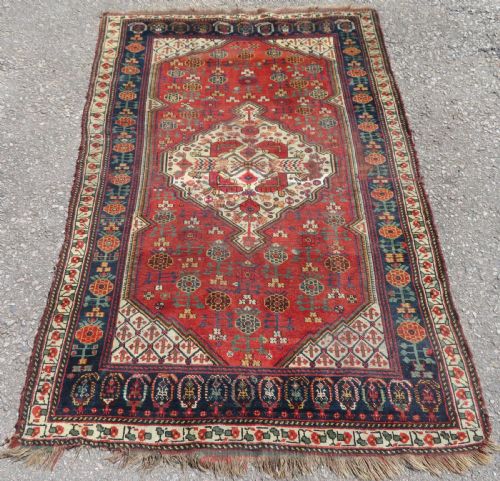
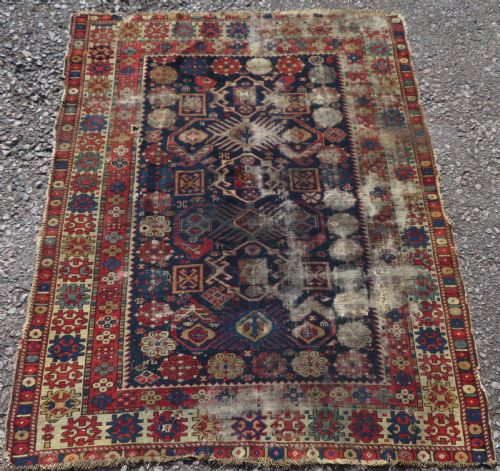
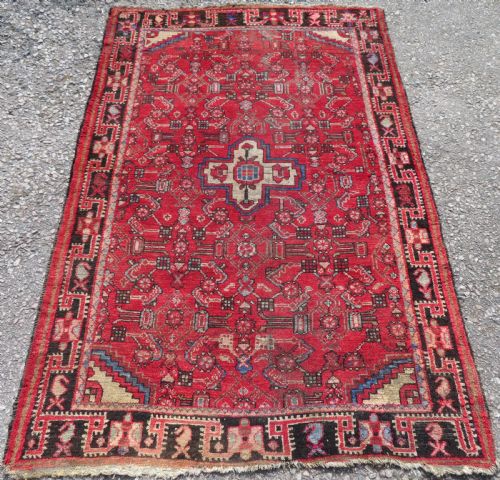
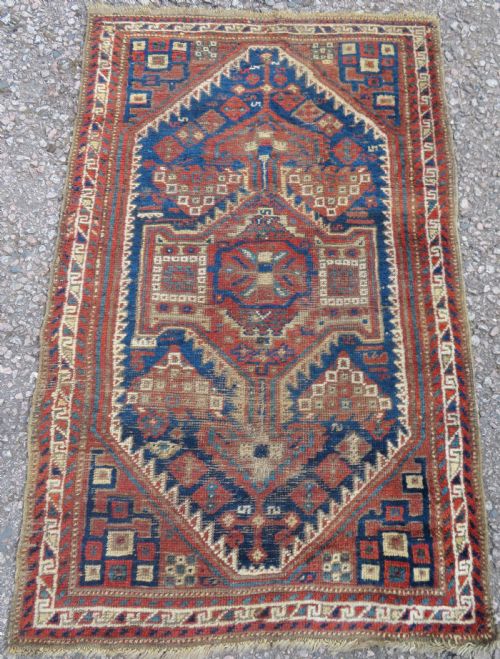
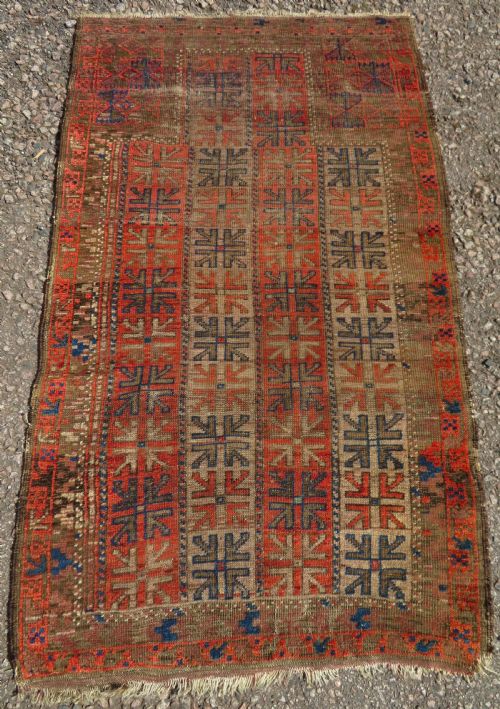
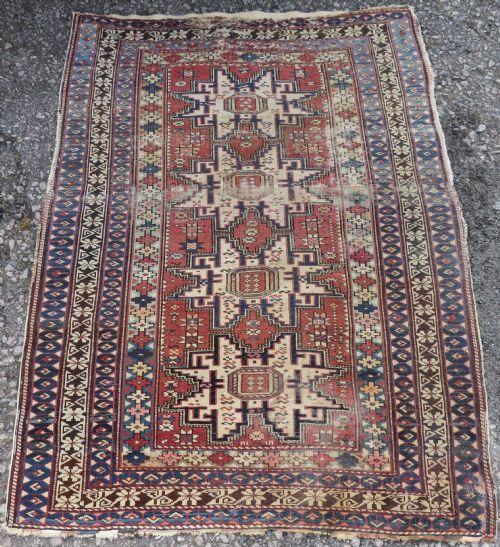


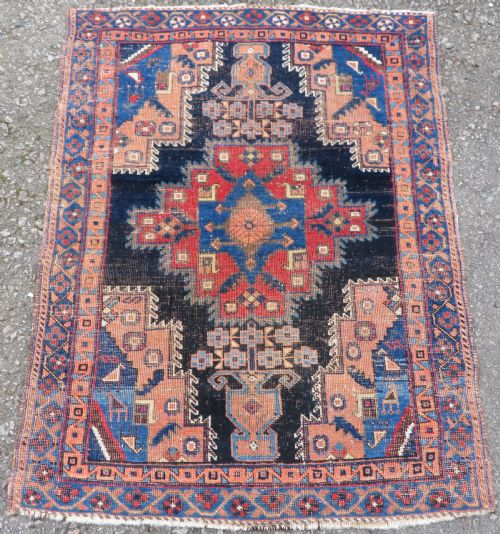
Distressed Wool Area Carpet
These distressed wool area carpets bring centuries of tribal and regional weaving traditions into modern spaces through naturally aged patinas.
Distressed Wool Area Carpet
A distressed wool area carpet provides an authentic historical anchor for a room, displaying the softened colours and worn textures that come from decades of daily use. When you search for a distressed wool area carpet, you encounter room-sized carpets and smaller floor coverings originating from nineteenth and early twentieth century workshops and nomadic tribes.
Most examples span from the late nineteenth century up to the 1930s, showing the genuine wear of time rather than artificial ageing. Buyers typically select these floor coverings to introduce character, muted colour palettes, and historic depth into contemporary or traditional interiors.
Materials and construction methods
The foundation of a distressed wool area carpet rests on sturdy hand-spun wool, often combined with cotton foundations or occasional camel hair elements. Weavers knotted these materials by hand on upright looms, creating dense pile surfaces designed to endure generations of foot traffic.
Makers utilised natural dyes derived from plants and minerals, which accounts for the rich, harmonious way these colours soften and fade over time. The natural interaction between hand-spun wool fibres and botanical dyes produces the characteristic distressed patina valued by collectors today.
Listings span production dates from 1880 through to the 1930s, covering Persian, Caucasian, and Anatolian tribal traditions.
Judging quality in aged carpets
Quality in a distressed wool area carpet depends on the integrity of the remaining foundation and the fineness of the original knotting relative to its regional type. A superior piece retains structural soundness in its warp and weft despite surface wear, ensuring the rug remains stable on the floor.
The artistic merit of the design composition and the complexity of the tribal or workshop motifs also separate standard examples from finer works. The harmonious fading of natural dyes contributes further to the visual success of the piece, as inferior chemical dyes tend to fade unevenly or harshly.
The Distressed Wool Area Carpet Glossary
- Wool
- The primary animal fibre used for the pile of traditional rugs, prized for its natural resilience and lanolin content. It accepts natural dyes deeply and wears down gradually over decades.
- Natural Dyes
- Colourants sourced from plants, insects, and minerals before the widespread adoption of synthetic alternatives in the late nineteenth century. These dyes age with subtle tonal variations.
- Pile
- The vertical or knotted surface of the carpet that stands up from the foundation, forming the soft layer underfoot. Wear reduces this layer to create the distressed texture.
- Warp
- The vertical foundation threads stretched lengthwise on the loom, carrying the tension of the weave. The visible fringes at either end of the carpet are typically extensions of these threads.
- Weft
- The horizontal threads passed back and forth through the warp threads between rows of knots to bind the structure together. In many tribal rugs, the weft uses dyed wool or cotton.
- Patina
- The surface sheen and softening of colour accumulated through age, handling, and light exposure. In antique carpets, this quality represents authentic historic use.
Distressed Wool Area Carpet: Frequently Asked Questions
How do I clean an antique wool carpet?
Gentle surface vacuuming without the rotating brush turned on removes embedded dust safely without catching loose knots or worn foundation threads.
Professional specialist cleaning remains necessary for deeper washing to protect natural dyes and fragile wool fibres from damage.
Are these carpets suitable for heavy traffic?
Many sturdy tribal and village weaves possess dense wool piles that withstand moderate to high daily use when supported by a quality underlay.
Extremely low-pile or heavily worn sections require placement in lower-traffic zones to preserve the remaining structure of the textile.
Do I need an underlay underneath?
A specialist non-slip rug underlay prevents slipping on hard floors while absorbing foot impact that can otherwise stress aged wool foundations.
It also stops the carpet from creeping and reduces friction between the historic fibres and the floorboards below.
How do I identify different regional styles?
Regional attribution relies on observing specific design motifs, border arrangements, and structural characteristics unique to areas like Caucasia, Persia, or Anatolia.
Tribal pieces often display geometric memory patterns, whereas workshop carpets from centres like Oushak or Kirman favour sweeping floral compositions.