





Distressed White Desk
A distressed white desk brings a weathered charm to a room, offering practical surface space paired with a softly worn painted finish.
Distressed White Desk
A distressed white desk combines functional writing surfaces with aged, painted finishes that show years of character. These tables span several distinct eras, drawing on traditional forms from the eighteenth and nineteenth centuries as well as early twentieth-century designs.
The selection on this page leans heavily toward side tables, writing tables, and bureaux finished in weathered white or cream paint. Alongside these workspaces, you will find occasional tables, pigeon holes, and matching seating designed to complement a period study or bedroom.
Geographic influences vary widely across the inventory, ranging from English Georgian cabinetry to rustic French country styles and pale Swedish country pieces. This diversity allows you to choose between the restrained elegance of French Neoclassical design and the simpler lines of Scandinavian farmhouse furniture.
How they were made
Carpenters built these pieces primarily using solid timbers like pine and mahogany, constructing robust frames intended for daily writing and administrative tasks. Secondary woods and traditional joinery methods ensured durability across centuries of use.
Surface treatments rely on layered paint over wood, which has weathered naturally or been intentionally distressed to reveal the grain beneath. Metal elements such as brass and iron appear on fixtures and hardware, while occasional pieces incorporate fabric or leather inserts.
Distressed White Desk Retail Price Guide 2026
Typical asking prices for distressed white desk among the pieces listed under this phrase on Sellingantiques today, from the lower quarter to the upper quarter. They describe what is for sale here now, not the wider market.
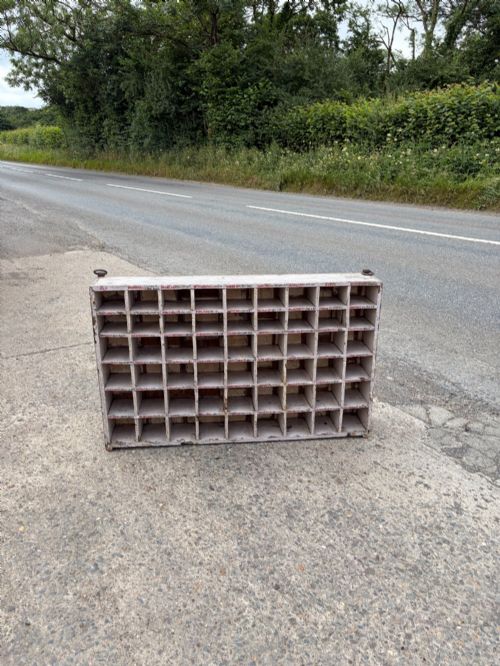
A sturdy set of pigeon holes ready to swallow up your unanswered post with vintage efficiency.
What varies in quality
The distinction between ordinary and exceptional pieces lies in the integrity of the original construction and the subtlety of the painted finish. Superior examples display harmonious proportions, balanced distressing that mimics natural ageing, and well-preserved timber frames.
Finer items often feature period-correct hardware, such as original brass handles or locks, alongside careful hand-applied paint layers. Lesser examples may exhibit clumsy alterations or heavy-handed modern distressing that obscures the underlying character of the wood.
The Distressed White Desk Glossary
- Distressed
- A surface finish intentionally weathered or worn through use and time to expose underlying layers of paint and wood.
- Bureau
- A slope-front desk enclosing a writing surface and small compartments, often raised on legs or a chest of drawers.
- Pigeon holes
- Small compartments built into a desk or cabinet for sorting letters and documents.
- Gustavian
- The Swedish interpretation of French neoclassical style, characterised by pale painted finishes and restrained classical ornamentation.
Distressed White Desk: Frequently Asked Questions
What is a distressed white desk?
A distressed white desk is a writing table or bureau finished in a worn, aged white paint that highlights its texture and history. These pieces combine practical workspace with a decorative antique aesthetic.
They draw on various historical design traditions, ranging from English country houses to Scandinavian estates, bringing a bright yet lived-in feel to an interior.
How do I style a distressed white desk?
These desks pair naturally with traditional wooden chairs, upholstered armchairs, or contrasting industrial elements. Their neutral, weathered finish allows them to anchor both contemporary and period rooms.
Keep surface accessories simple to let the aged texture of the paint and the grain of the wood remain the focal point of the arrangement.
Are these desks from the eighteenth century?
Some pieces originate from the eighteenth century, such as Georgian writing furniture and English bureaux, while others date from the nineteenth and early twentieth centuries.
Styles span various regional traditions, including French provincial and Swedish country designs, meaning construction methods and decorative details vary by era and origin.
What materials are used in these desks?
Construction relies primarily on traditional solid woods like pine and mahogany, finished with layered paint surfaces. Hardware typically includes brass or iron details.
Some related items in this category incorporate fabric or upholstered elements, particularly when matching chairs accompany the writing tables.