





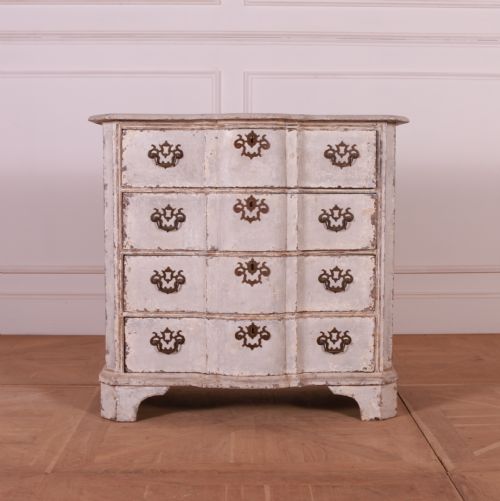


Distressed White Chest
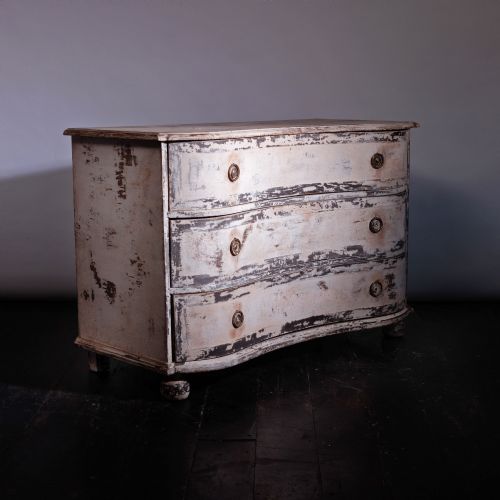
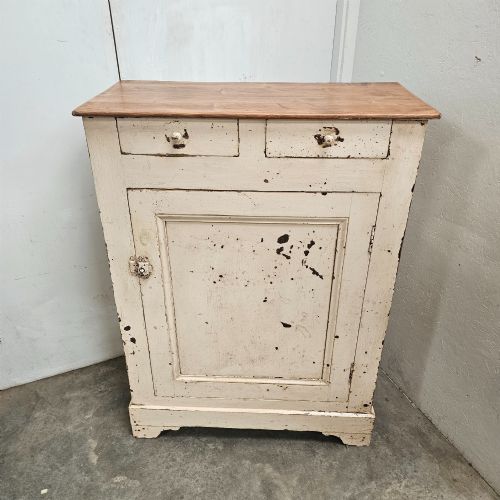
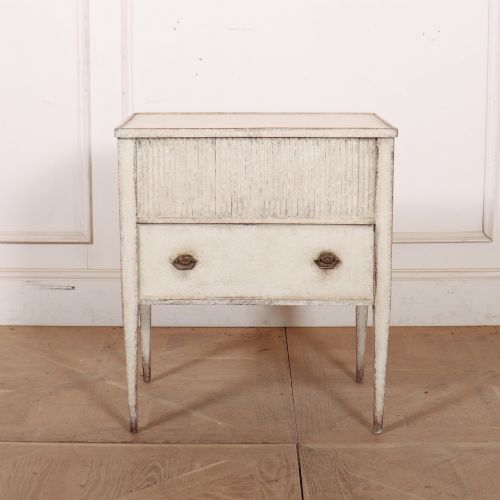
A distressed white chest brings together weathered character and practical storage, offering the painted surface and aged timber that anchor a period room.
Distressed White Chest
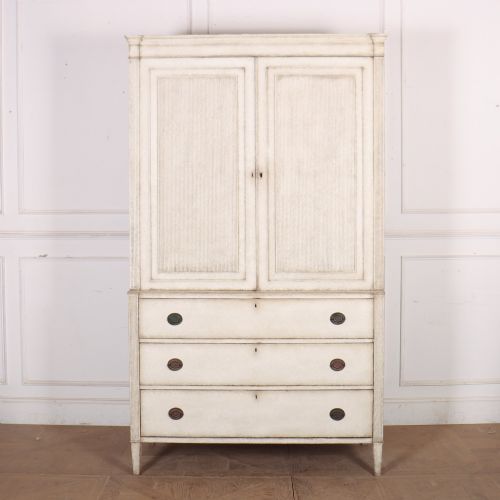
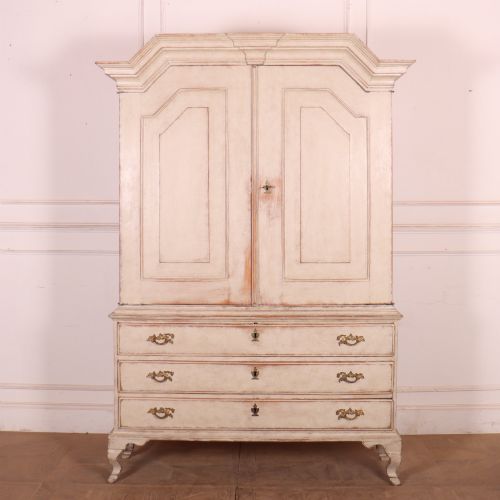
A distressed white chest encompasses regional European storage pieces, primarily taking the form of commodes, linen cupboards, and chests of drawers from the eighteenth and nineteenth centuries. These pieces originate from traditions such as French Provincial, Scandinavian Country, and Gustavian workshops.
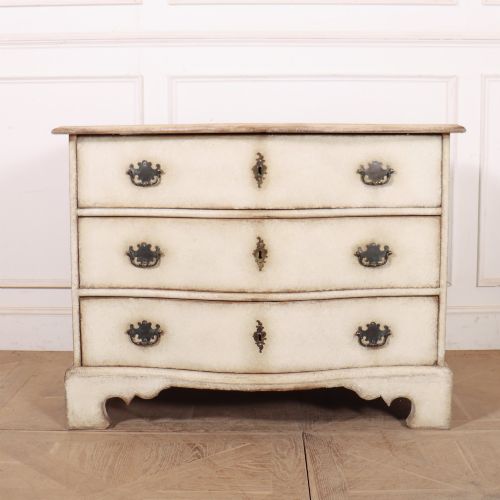
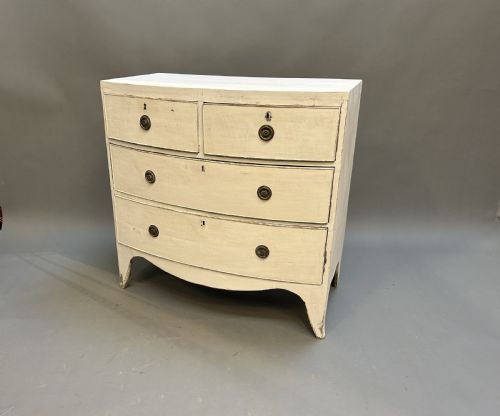
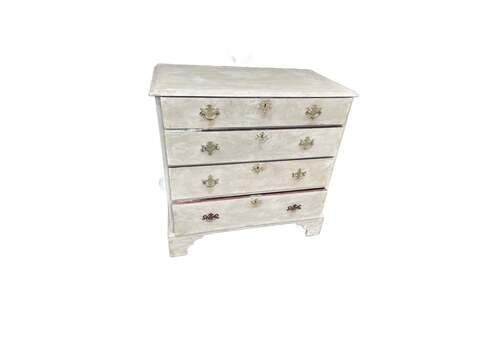
The inventory on this page shows pieces built from pine, oak, and mixed timber, finished with layered paint that has worn down naturally through generations of use. Common variations include serpentine fronts, bombe profiles, and straightforward upright drawer configurations.
How they were made
Constructed predominantly from solid pine, oak, and painted timber, these pieces rely on traditional joinery such as dovetail drawers and pegged frames. Carved details appear on select panels and drawer fronts, particularly on items originating from French and Italian makers.
The distinctive white and pale painted finishes are applied over wood using historic distemper or oil-based paints, which develop their characteristic distress over decades of wear. Brass hardware, including drop handles and key escutcheons, provides functional contrast to the painted wood bodies.
Distressed White Chest Retail Price Guide 2026
Typical asking prices for distressed white chest among the pieces listed under this phrase on Sellingantiques today, from the lower quarter to the upper quarter. They describe what is for sale here now, not the wider market.
The listings span the eighteenth, nineteenth, and early twentieth centuries, featuring pine, oak, and brass across French, Scandinavian, Dutch, and Italian styles.
What varies in quality
Quality rests in the harmony of the proportions, the depth of the timber beneath the paint, and the crispness of any hand-carved ornamentation. Pieces from established makers or distinct regional traditions demonstrate finer structural integrity in their drawer construction and framing.
The character of the painted surface also dictates distinction, with original layered patination holding greater interest than uniform modern repainting. Well-executed serpentine and bombe shapes require advanced joinery skills that elevate the standing of the piece.
Edwards and Roberts
The Distressed White Chest Glossary
- Commode
- A low chest of drawers or cabinet, frequently featuring decorative serpentine or bombe shaping. This form is common in French and Italian eighteenth-century furniture traditions.
- Serpentine
- A front profile that curves inward in the centre and swells outward at the sides. It demands skilled woodworking and indicates a finer grade of construction.
- Bombe
- A heavily curved or bulging chest profile associated with Dutch and continental cabinetmaking. This shape creates a robust silhouette requiring specialised timber bending techniques.
- Gustavian
- The Swedish neoclassical style developed during the late eighteenth century, characterised by pale painted finishes and restrained classical ornamentation.
Distressed White Chest: Frequently Asked Questions
What is a distressed white chest?
A distressed white chest is a period storage piece finished in aged white or pale paint, encompassing eighteenth and nineteenth-century commodes, cupboards, and drawer units from across Europe.
These items combine practical storage capacity with the distinct aesthetic of worn historic surfaces, making them functional focal points for traditional interiors.
How do I date an antique painted chest?
Dating relies on examining the timber construction methods, such as hand-cut dovetails, alongside the style of the hardware and the characteristics of the paint layers.
Pieces originating from the eighteenth century often feature more complex serpentine or bombe silhouettes, whereas nineteenth-century examples frequently adopt simpler upright chest or commode formats.
Where did these painted chests originate?
The pieces seen here stem from various European regions, including French provincial workshops, Scandinavian country homes, and Italian cabinetmakers.
Each region imparted distinct design traits, such as the restrained elegance of Gustavian pieces or the expressive curves found in Dutch and German commodes.
How do I care for a painted antique surface?
Preserving historic paint requires keeping the piece away from direct sunlight and fluctuating humidity to prevent further flaking or wood movement.
Dusting gently with a dry cloth is sufficient for maintenance, avoiding modern chemical cleaners that might strip the delicate patination.