

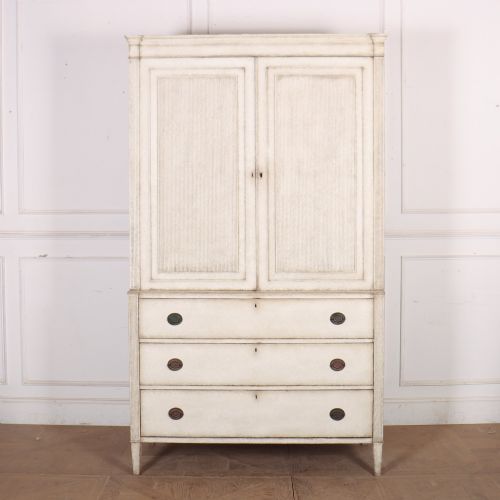
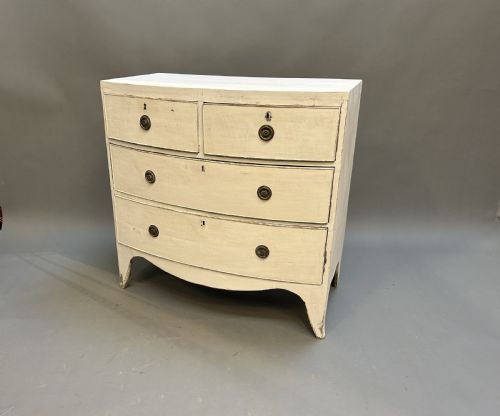

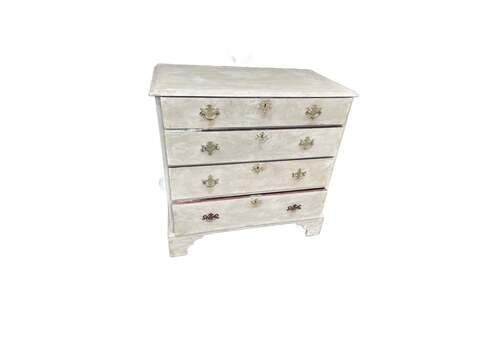


Distressed White Bedroom Chest
A distressed white bedroom chest brings painted European character to a room, offering practical storage through time-worn finishes.
Distressed White Bedroom Chest
A distressed white bedroom chest encompasses painted commodes, linen cupboards, and drawer chests originating from diverse periods such as the eighteenth and nineteenth centuries. These pieces typically display painted wooden surfaces that have aged to reveal underlying textures, combining aesthetic charm with functional bedroom storage.
The selections available on this page lean heavily towards continental European aesthetics, specifically French Provincial, French Chateau, Gustavian, and Scandinavian Country styles. Buyers are most likely to encounter nineteenth-century pine and painted wood examples featuring two-drawer or multi-drawer formats.
Forms range from simple pine chests to elaborate serpentine commodes and tall linen cupboards. Each piece provides a distinct silhouette rooted in traditional cabinetmaking, finished in distressed white or pale paint.
How they were made
Construction relies primarily on pine and various hardwoods shaped into solid wood frames and drawer carcases. Cabinetmakers utilised traditional joinery methods to build these chests, ensuring structural durability alongside decorative appeal.
Surfaces were finished with layers of paint, often applied over pine or mixed wood substrates, then subjected to natural wear or deliberate distressing over decades of use. Brass hardware frequently complements the painted wooden exteriors on key pieces.
Distressed White Bedroom Chest Retail Price Guide 2026
Typical asking prices for distressed white bedroom chest among the pieces listed under this phrase on Sellingantiques today, from the lower quarter to the upper quarter. They describe what is for sale here now, not the wider market.
Listings feature pieces spanning from the mid-eighteenth century to the early twentieth century, constructed primarily in pine and painted wood.
What varies in quality
Quality differences rest largely on the sophistication of the regional cabinetmaking and the authenticity of the surface finish. Finer examples, such as eighteenth-century serpentine commodes, display complex curved wooden fronts and superior joinery that demand advanced carpentry skills.
The integrity of the painted surface and the retention of original brass fittings also dictate the standing of a piece within its period. Pieces bearing documented maker attribution or refined continental styling sit at the upper end of the spectrum.
Edwards and Roberts
The Distressed White Bedroom Chest Glossary
- Commode
- A low chest of drawers or cabinet, typically originating from French traditions. These pieces often feature decorative painted finishes and serpentine or straight drawer configurations.
- Serpentine
- A furniture front shape characterised by a central convex curve flanked by concave curves. This contour requires precise woodworking skills to execute successfully on solid wood.
- Gustavian
- A Swedish neoclassical style popular in the late eighteenth and early nineteenth centuries. It is known for pale painted finishes, restrained carving, and functional elegance.
- Linen Press
- A tall piece of furniture designed for storing textiles and garments, combining upper cupboard space with lower drawers. They provide substantial storage capacity within a bedroom setting.
- Pine
- A soft timber frequently utilised in country-made furniture across Europe. It accepts painted finishes readily and serves as the primary material for numerous regional chests.
Distressed White Bedroom Chest: Frequently Asked Questions
What is a distressed white bedroom chest?
A distressed white bedroom chest is a painted storage unit, typically dating from the eighteenth to early twentieth centuries, featuring a worn or aged pale finish. These items serve as functional drawer space while introducing historical character to interior schemes.
Originating mostly from French and Scandinavian workshops, they include commodes, linen cupboards, and standard drawer chests made from pine and other woods.
How do I identify a French Provincial chest?
French Provincial chests are identified by their regional cabinetmaking traits, softer wood selections like pine, and traditional carved detailing. They often display curved lines and muted painted finishes.
These pieces reflect domestic French craftsmanship from rural areas, distinguishing them from formal court furniture through simpler proportions and practical utility.
How do I care for a painted antique chest?
Care for a painted antique chest involves keeping the piece away from direct heat sources and drastic humidity shifts to protect the aged wood and paint layers. Dusting with a dry, soft cloth prevents surface buildup without harming delicate finishes.
Avoiding harsh chemical cleaners ensures the historical patina and distressed character remain intact for years to come.