

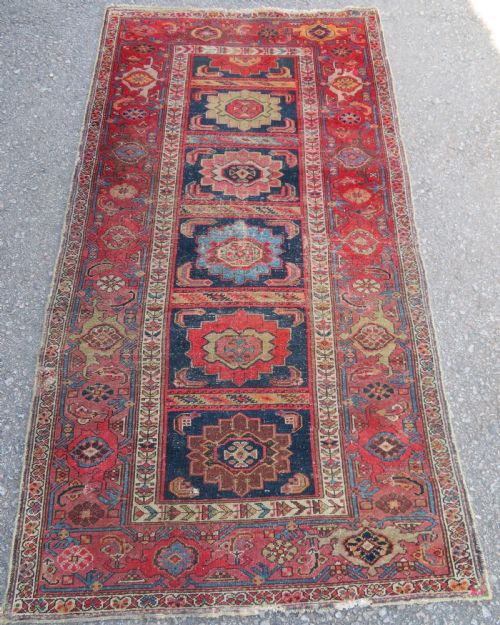
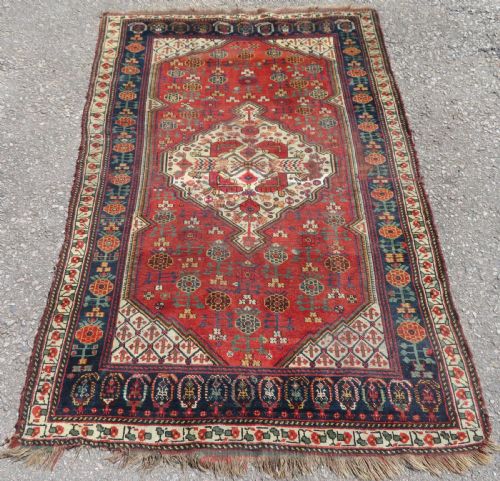
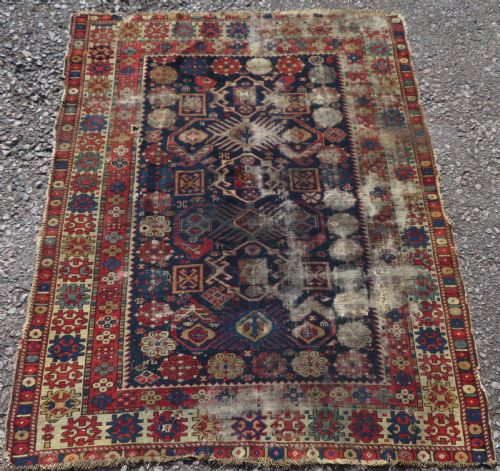
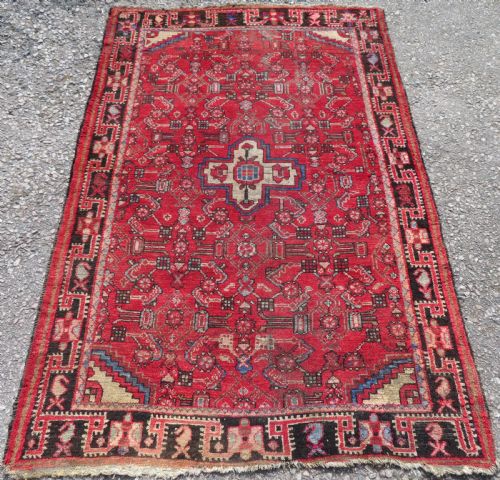
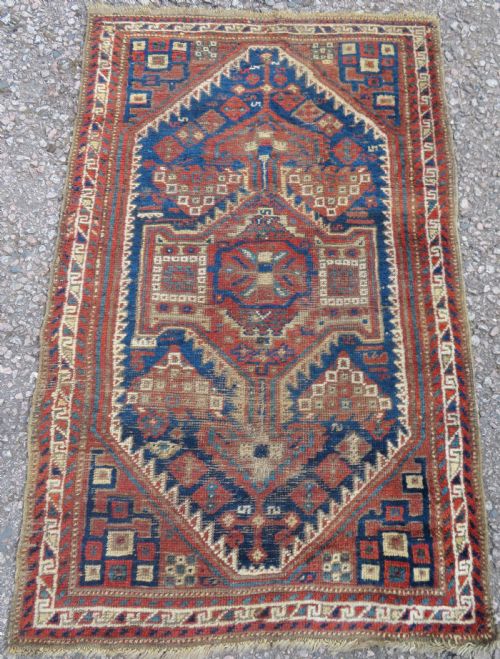
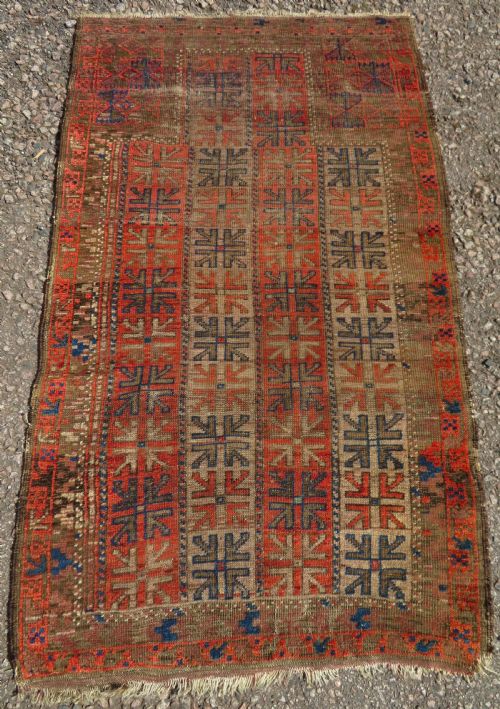
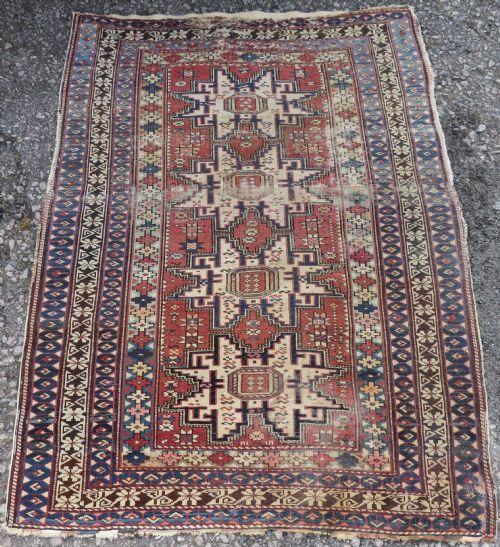
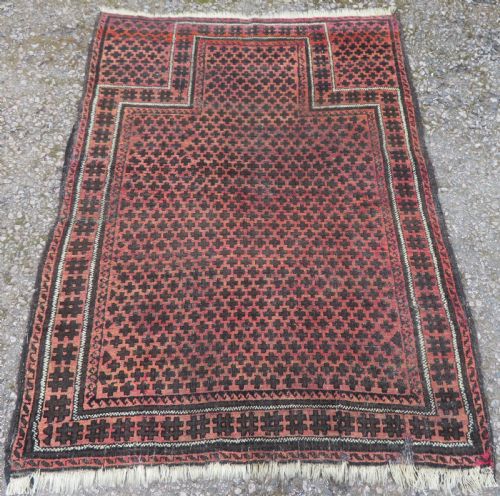

Distressed Tribal Carpet
A distressed tribal carpet brings the lived-in warmth of nomadic heritage straight onto the floor.
Distressed Tribal Carpet
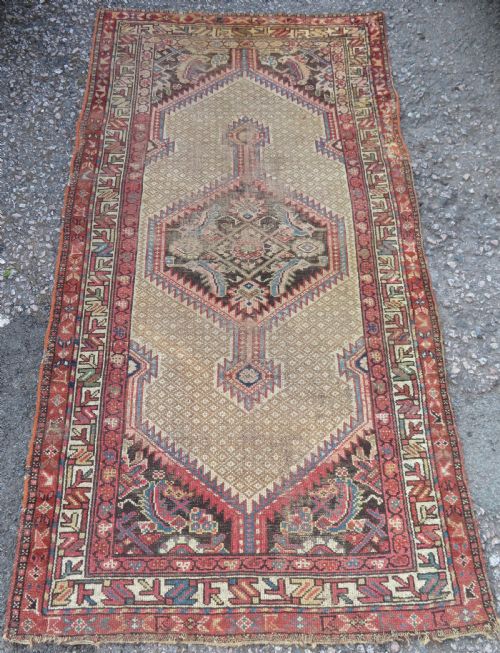
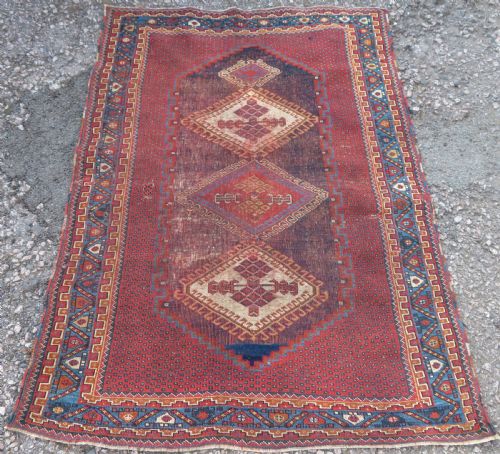
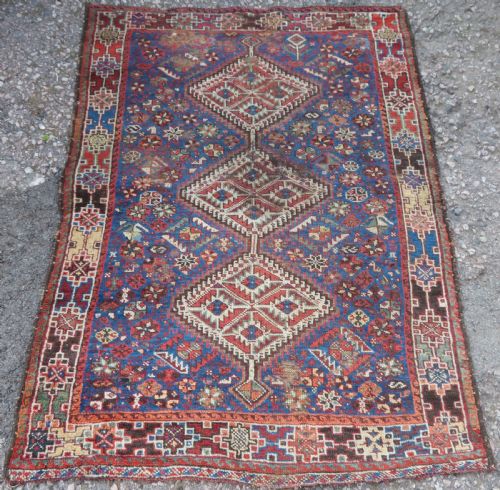
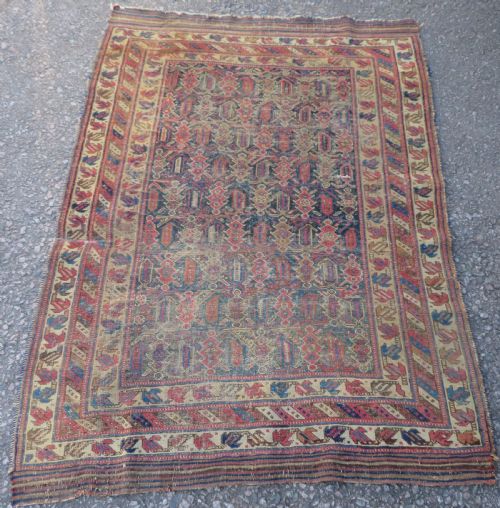
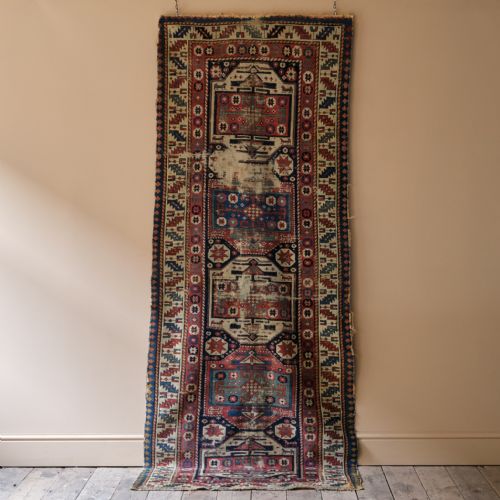
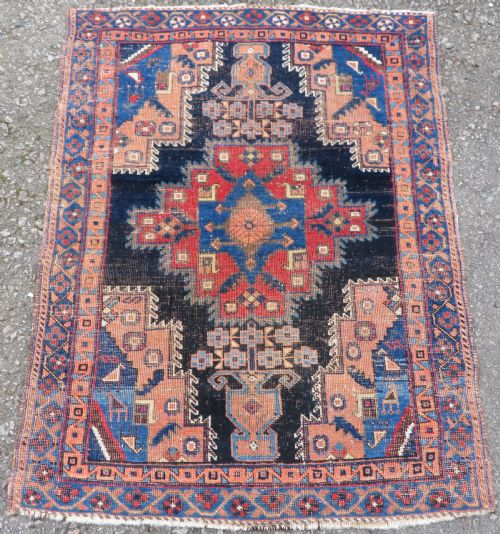
When searching for a distressed tribal carpet, a buyer encounters woven floor coverings originating from nineteenth and early twentieth-century traditions across Persia, the Caucasus, and Anatolia. These pieces include formats such as area rugs, prayer rugs, and long runners shaped by nomadic and village workshops.
The most common examples on this page are antique room-size rugs and smaller floor pieces bearing the worn patinas of age. Stylistic groupings range from Afshar and Khamseh to Caucasian Kazak and Daghestan designs, each displaying distinct regional geometry.
How they were made
The construction relies heavily on hand-spun wool and cotton foundations, often utilising natural dyes derived from plants and minerals to produce deep, enduring tones. Camel hair also appears in the pile composition of specific nomadic weaves, adding natural variation to the texture.
Weavers knotted these wool foundations by hand on vertical or horizontal looms, applying traditional techniques passed down through generations of tribal makers. The passage of time and daily foot traffic then create the characteristic distressed surface texture.
Some antique runners carry crooked geometries where the weaver shifted patterns halfway up the loom.
What varies in quality
The integrity of the foundation and the density of the wool knotting dictate the structural soundness of each textile. Pieces with resilient hand-spun wool retain their character despite heavy wear.
Subtlety in natural dye distribution and the crispness of tribal motifs separate exceptional village weaving from standard production. The balance of proportion within the geometric field reveals the skill of the original weaver.
The Distressed Tribal Carpet Glossary
- Prayer rug
- A small textile featuring a mihrab or niche design historically used for daily devotion. These pieces often direct the eye toward a central focal point.
- Natural dye
- Colour extracted from botanical or mineral sources prior to the introduction of synthetic alternatives. This material creates a harmonious fading pattern over decades.
- Hand-spun wool
- Yarn spun by hand rather than by industrial machinery, yielding irregularities that absorb dye uniquely. This fibre forms the durable pile of traditional nomadic weaving.
- Runner
- A long, narrow carpet format designed for hallways, corridors, or narrow spaces. These formats repeat central medallions or geometric motifs along an elongated axis.
Distressed Tribal Carpet: Frequently Asked Questions
How do I clean a worn antique rug?
Gentle surface brushing and professional specialist washing preserve the fragile wool fibres of older textiles.
Avoid immersion cleaning unless handled by an expert familiar with natural dyes.
Are these carpets suitable for heavy hallways?
Thickly knotted wool piles withstand moderate foot traffic when paired with a quality underlay.
Runners adapt well to corridors, though extremely delicate pieces prefer lighter use.
How do I identify a tribal design?
Tribal patterns rely on geometric motifs, stylized animals, and repeating symbols rather than courtly floral curves.
Weavers drew these designs from memory rather than drawn cartoons.
Why do these carpets look faded?
Decades of sunlight, natural wear, and gentle washing soften the original intensity of botanical dyes.
This patination gives antique textiles their characteristic distressed appearance.