






Distressed Kitchen Server
A distressed kitchen server brings centuries of working character and honest utility directly into a modern culinary space.
Distressed Kitchen Server
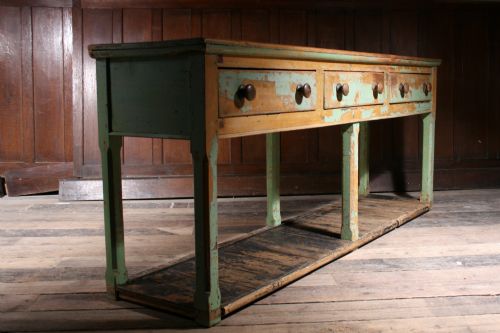
A distressed kitchen server spans practical prep tables, shop counters, and robust dresser bases originating from eighteenth and nineteenth-century domestic and commercial settings. These utilitarian pieces emerge from English country houses, French provincial homes, and rural workshops where heavy daily labour shaped their durable forms.
The selection on this page relies heavily on nineteenth-century and eighteenth-century examples, alongside specific pieces from eighteen-fifty, eighteen-eighty, and eighteen-ninety. Forms range from three-drawer dresser bases and drapers tables to monumental country house prep tables.
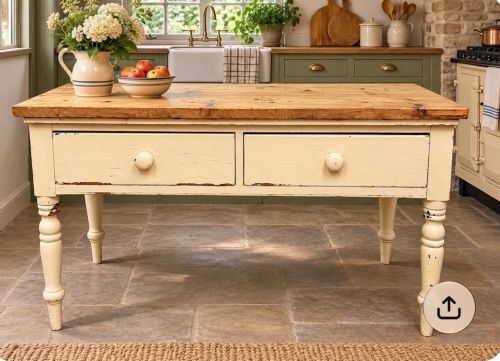
Buyers frequently encounter rustic farmhouse styles alongside English country house and French provincial aesthetics. These items function naturally as kitchen islands, sideboards, or console tables in contemporary homes.
How they were made
Construction relies primarily on sturdy timbers such as pine, oak, and general painted timber, chosen for absolute resilience in busy kitchens and shops. Cabinetmakers and joiners built these items for hard work rather than show, employing honest joinery that withstands generations of heavy use.
Distressed Kitchen Server Retail Price Guide 2026
Typical asking prices for distressed kitchen server among the pieces listed under this phrase on Sellingantiques today, from the lower quarter to the upper quarter. They describe what is for sale here now, not the wider market.
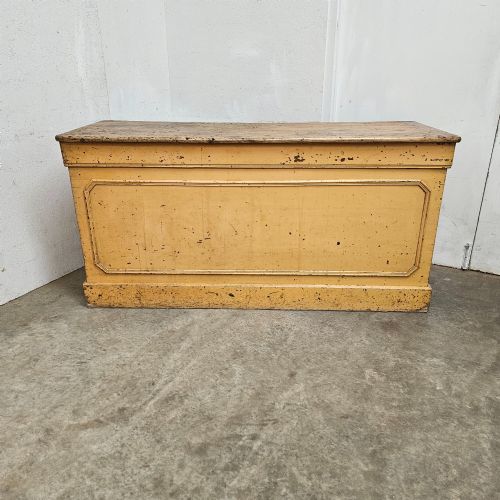
Some shop counters still carry the quiet ghosts of fabric bolts and daily commerce in their scrubbed pine tops.
What varies in quality
Quality rests in the integrity of the original structure and the unforced character of the surface wear. Pieces that retain their genuine working paint layers and untouched timber proportions hold a distinct advantage over heavily altered examples.
Proportion and scale also dictate value, with monumental country house pieces and well-balanced provincial tables commanding particular attention. The depth of the timber grain and the honesty of the past repairs tell the true story of each item's working life.
The Distressed Kitchen Server Glossary
- Dresser base
- The lower section of a traditional kitchen dresser, typically featuring drawers above cupboards or an open pot board. It serves as a standalone sideboard or prep surface.
- Drapers table
- A long, narrow commercial counter traditionally used in fabric shops for measuring and displaying textiles. They make exceptional narrow kitchen islands or console tables.
- Shop counter
- A heavy-duty commercial fixture built to handle retail traffic and customer transactions. These pieces offer deep proportions and robust construction suited to heavy kitchen use.
- Prep table
- A utilitarian working table designed for food preparation or trade tasks. These tables feature unpretentious wooden tops shaped by generations of use.
- Patina
- The surface sheen and softening of material developed through years of handling, cleaning, and exposure. It represents the authentic physical history of the timber.
- Original paint
- Pigment applied during the period of manufacture that has survived largely undisturbed. This surface provides vital evidence of the piece's historical context.
Distressed Kitchen Server: Frequently Asked Questions
What is a distressed kitchen server?
A distressed kitchen server is a heavy-duty working table, dresser base, or shop counter dating from the eighteenth or nineteenth century. These pieces were built for practical labour in domestic kitchens or rural shops.
Today, they function as kitchen islands, sideboards, and prep tables. Their worn surfaces and solid timber construction bring immediate character and utility to modern rooms.
How do I choose the right size?
Consider the proportions of your room and the intended daily use of the piece. Lower dresser bases and prep tables come in various lengths, from compact three-drawer units to monumental country house examples.
Measure your available floor space carefully, leaving enough clearance to walk and open drawers comfortably. Taller counters work well as serving stations, while lower tables suit food preparation.
Are these pieces suitable for daily kitchen use?
These servers were originally built for rigorous daily tasks in busy environments, making them remarkably resilient for modern kitchen life. Solid pine and oak construction handles heavy items and regular activity with ease.
Maintenance involves simple care appropriate for historic wood and painted surfaces. Using proper protection for heat and moisture preserves the historic finish while allowing you to use the piece daily.
How do I distinguish eighteenth and nineteenth-century pieces?
Eighteenth-century pieces, including those from the Georgian era, often exhibit hand-cut joinery and deeper timber patination shaped by extended use. Nineteenth-century examples frequently reflect Victorian country or provincial styles with robust utility.
Examining the construction methods, drawer linings, and tool marks helps reveal the period of origin. Original paint layers and hardware also provide clear chronological clues.