

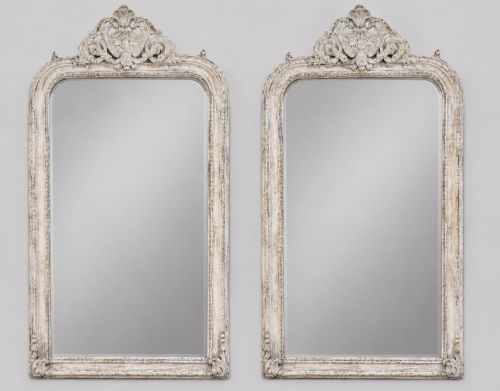
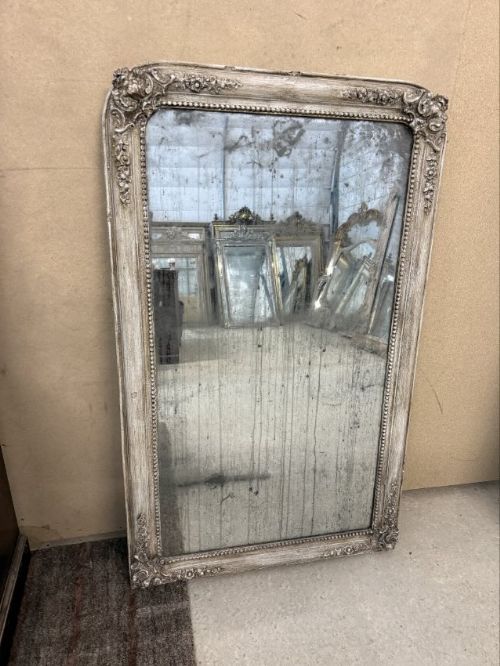
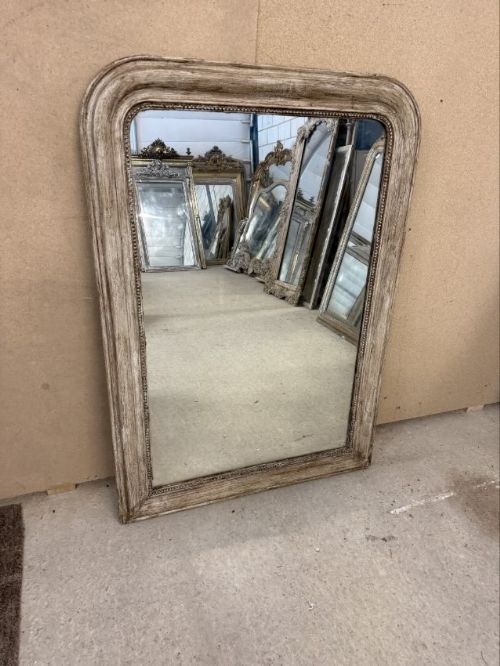
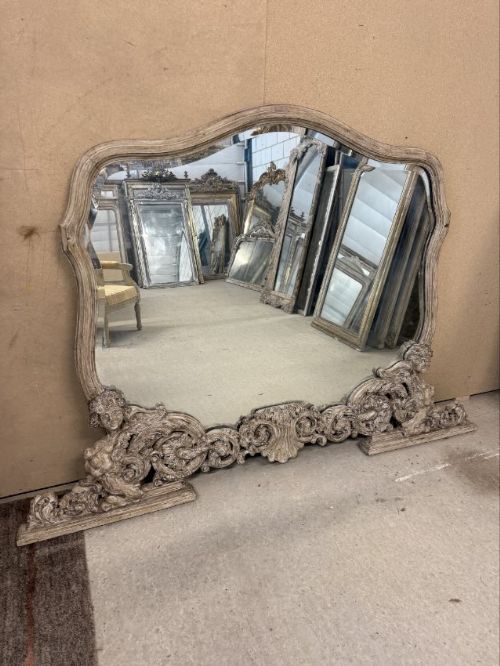


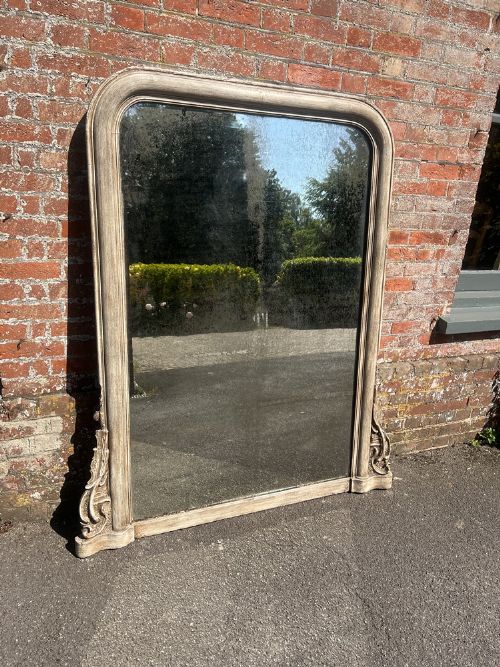
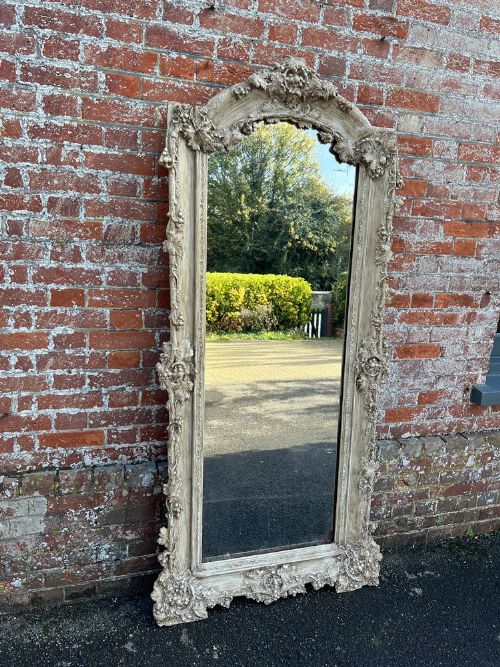

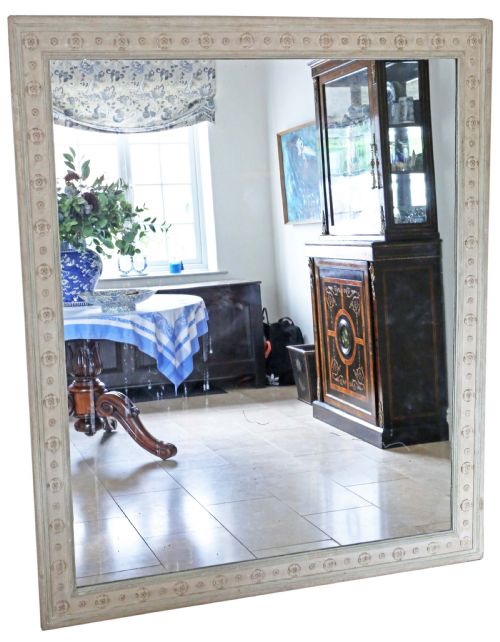
Distressed Grey French Mirror
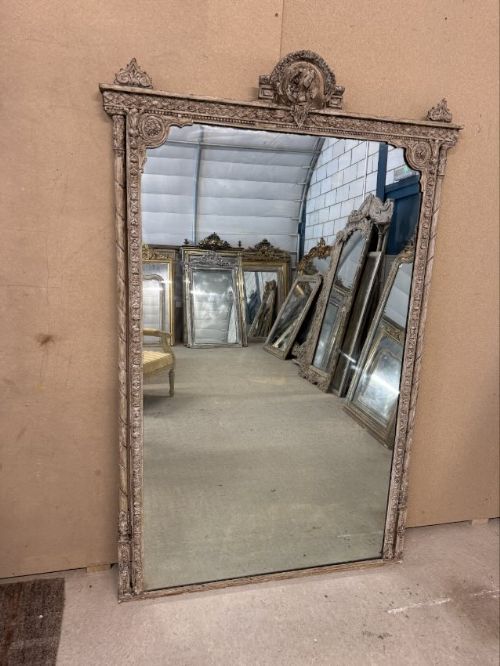
A distressed grey French mirror brings weathered charm and classic continental elegance to a room.
Distressed Grey French Mirror
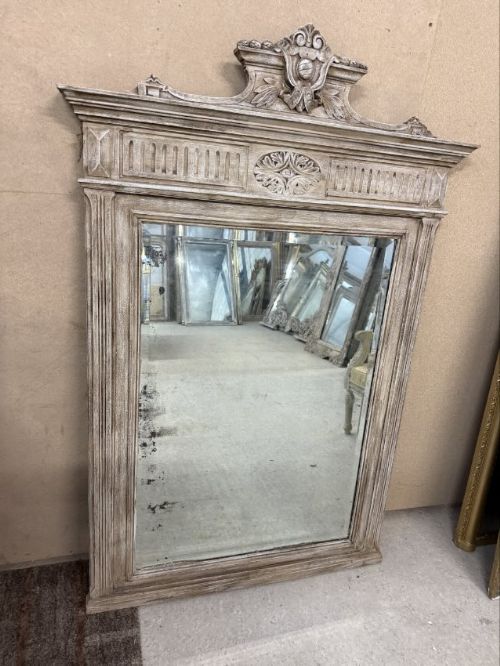
A distressed grey French mirror combines aged painted wooden frames with traditional continental forms, creating a statement piece for domestic interiors. These items primarily date from the nineteenth century, reflecting periods such as the Victorian era, the Georgian era, and various French provincial styles.
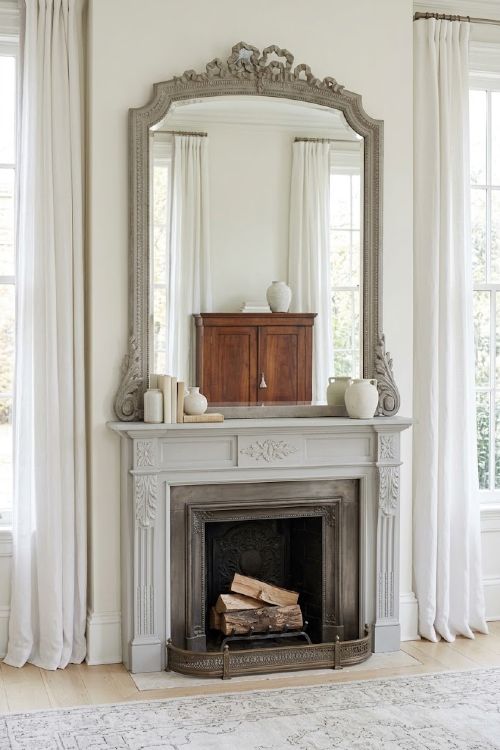
Buyers will frequently encounter wall mirrors and overmantel mirrors designed with architectural shapes like arched tops, shaped tops, or column frames. Styles range from Louis Philippe and Louis XV to Rococo Revival and French chateau aesthetics, often manifesting as large formats suited for prominent placement above mantelpieces or consoles.
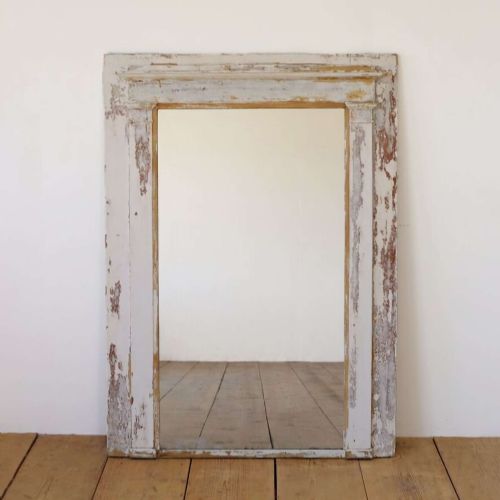
The aesthetic relies on a weathered painted surface, typically in shades of grey, sometimes paired with gilt accents or exposed wood underneath. These furnishings serve both functional reflection and decorative depth, anchoring traditional or eclectic rooms with historic character.
How they were made
Makers constructed these frames predominantly from wood, including pine and carved timber, applying layers of gesso to create smooth surfaces for decorative mouldings and relief details. Artisans then painted the frames, achieving the characteristic distressed appearance through historic wear or intentional finishing techniques.
Mirror glass was set within these ornate wooden structures, occasionally utilising mercury glass in period pieces to yield a distinctive speckled reflection. Structural integrity relied on traditional joinery within the carved wood and gesso frameworks to support the substantial weight of large wall and overmantel formats.
Distressed Grey French Mirror Retail Price Guide 2026
Typical asking prices for distressed grey french mirror among the pieces listed under this phrase on Sellingantiques today, from the lower quarter to the upper quarter. They describe what is for sale here now, not the wider market.
Materials recorded across the selection include carved wood, gesso, painted pine, and traditional mirror glass.
What varies in quality
The sophistication of the hand-carved wood and gesso ornamentation dictates the distinction between standard production and superior craftsmanship. Finer examples display crisp detail in moulded frames, column designs, and shaped arches that remain balanced across large proportions.
The integrity of the painted surface and the original glass contribute significantly to the character and desirability of each piece. Variations in the depth of the grey paint layers, the retention of underlying gilt work, and the historic preservation of the mirror plate separate standard wall mirrors from exceptional overmantel editions.
The Distressed Grey French Mirror Glossary
- Gesso
- A plaster-like mixture applied to wood frames to create a smooth surface for painting and intricate low-relief carving. It provides the foundation for detailed moulding on antique mirrors.
- Overmantel mirror
- A large mirror specifically proportioned to hang on the wall directly above a fireplace mantelpiece. These pieces often feature wide horizontal formats and decorative arched or shaped tops.
- Louis Philippe
- A mid-nineteenth-century French style characterised by understated elegance, gently rounded top corners, and simple classical proportions. It avoids the heavy ornamentation of earlier baroque designs.
- Trumeau mirror
- An antique wall mirror incorporated into wooden wall panelling or designed to replicate the appearance of a decorative architectural panel. They frequently combine painted woodwork with upper panels containing artwork or mirrors.
- Mercury glass
- A type of double-walled silvered glass produced in the nineteenth century by pouring a liquid mercury amalgam between glass layers. It creates a warm, mottled reflection with characteristic dark spots.
Distressed Grey French Mirror: Frequently Asked Questions
Where should I hang an overmantel mirror?
These large mirrors traditionally mount directly above a fireplace mantelpiece to reflect light and anchor the room's proportions. They also function effectively on main living room walls above low sideboards or console tables.
Ensure the wall fixings are secured firmly into structural studs or masonry, given the substantial weight of nineteenth-century wood and gesso frames.
What is mercury glass?
Mercury glass is a double-walled silvered glass popular in the nineteenth century, known for its distinctive speckled, foggy reflection. It creates a softer, more atmospheric image than modern mirror glass.
This historic material develops natural foxing over time, which collectors value as an authentic sign of age.
Are these mirrors suitable for bathrooms?
Nineteenth-century painted wood and gesso frames react sensitively to sustained high humidity and direct water contact. Placing them in damp environments risks softening the gesso and damaging the historic painted finish.
Dry interior rooms such as hallways, bedrooms, and sitting rooms provide the stable climate required to preserve antique painted surfaces.