

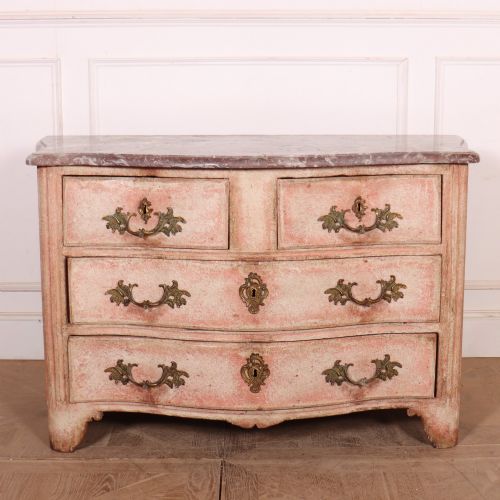
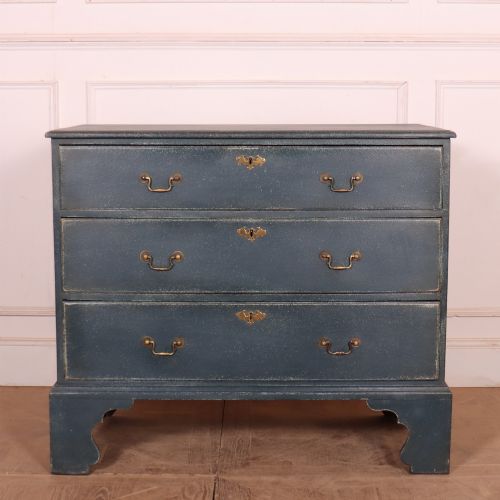
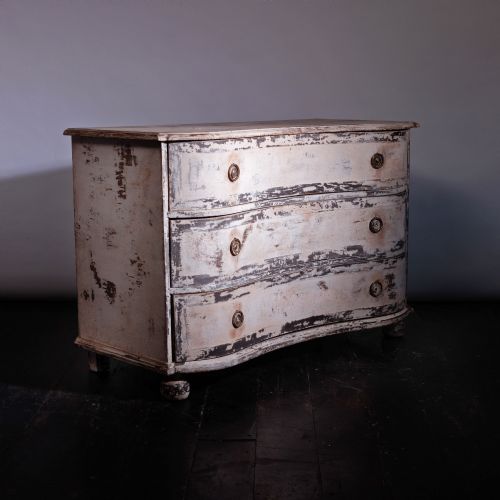
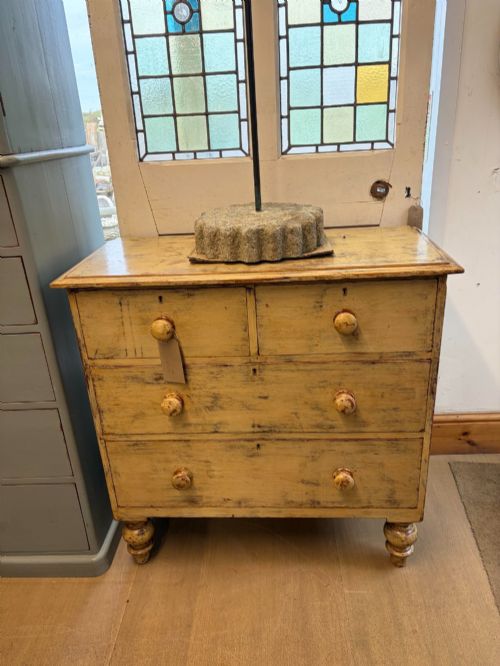
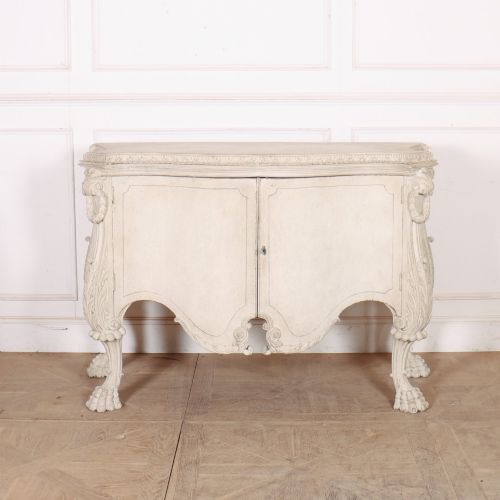
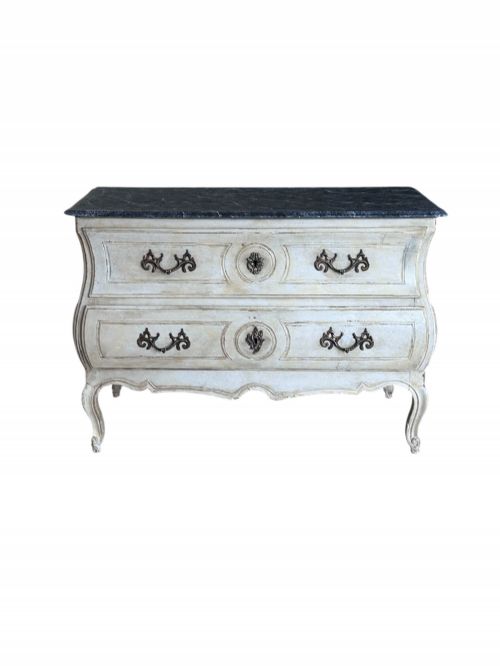
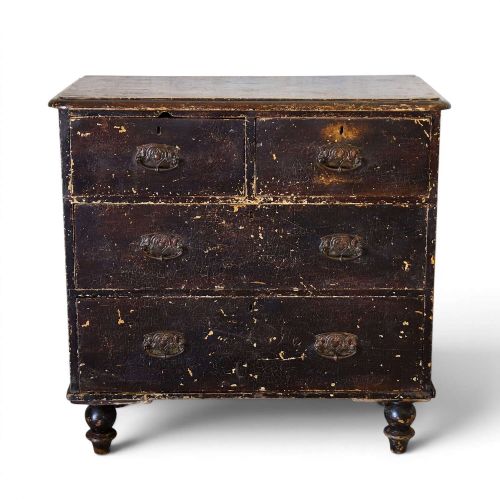
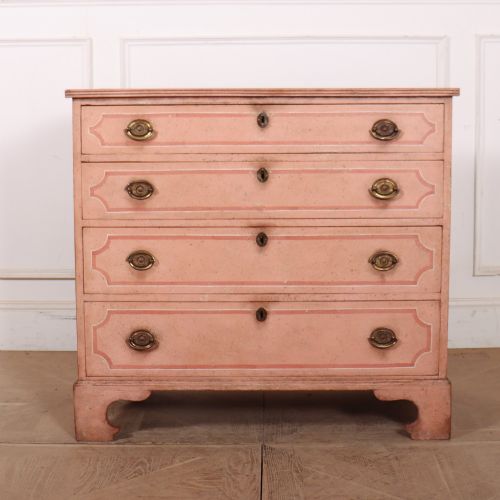
Distressed Commode
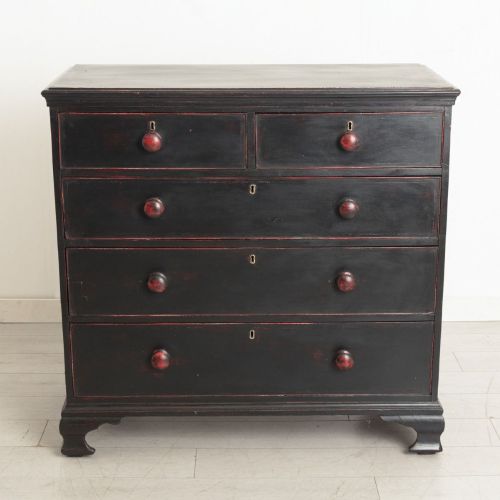
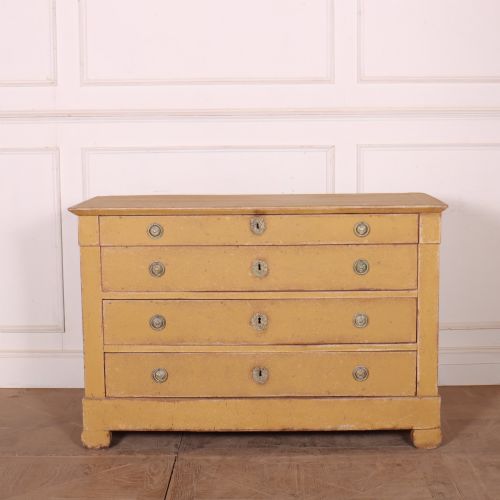
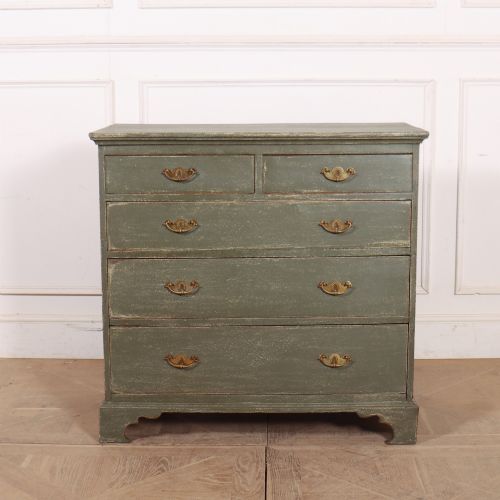
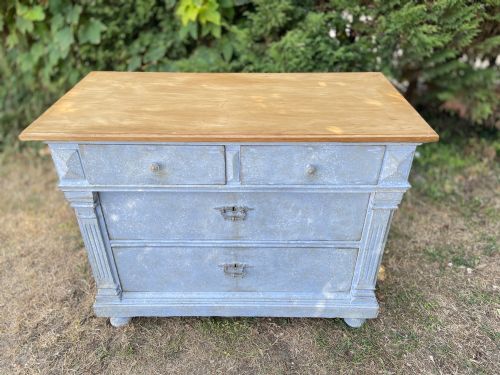
A distressed commode brings storied character to a room through weathered painted timber and time-softened surfaces.
Distressed Commode
A distressed commode is a storage chest designed with a decorative focus on painted or aged surfaces, frequently found in forms such as chests of drawers, side cabinets, and bedside tables. These pieces originate from a broad span of periods, ranging from the eighteenth century through the nineteenth century and into the early twentieth century.
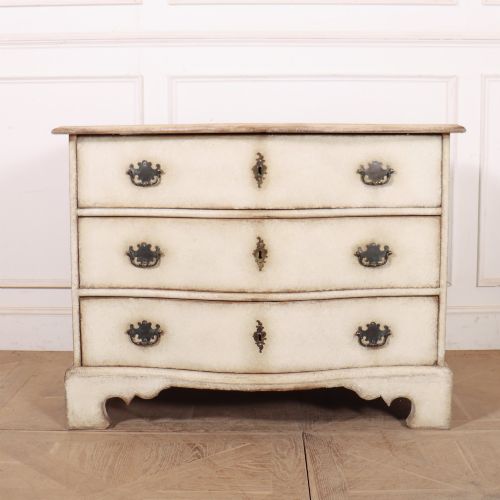
The selection on this page leans heavily towards regional European aesthetics, including French provincial, Swedish Gustavian, English country, and Italian styles. Buyers encounter both original historical paint finishes and later decorative treatments applied to pine, oak, and other woods.
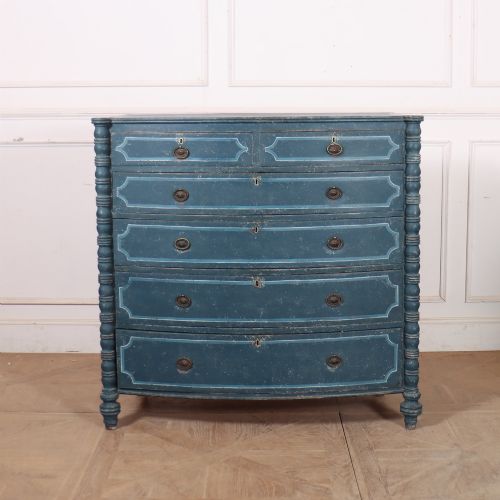
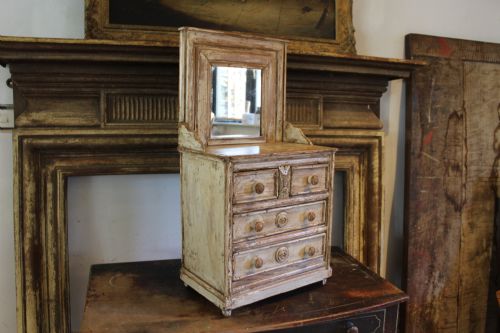
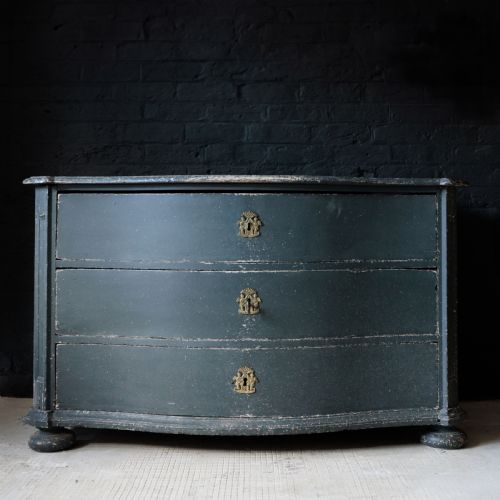
Forms vary from compact miniature apprentice pieces and two-drawer commodes to larger serpentine fronts, breakfronts, and bowfront chests. This diversity allows the furniture to function practically in bedrooms or living spaces while serving as a distinct focal point.
Materials and Construction
Makers utilised solid timbers such as pine, oak, and regional hardwoods to build the structural carcase and drawer boxes of these chests. Construction methods relied on traditional joinery techniques appropriate to the period, supporting heavy use over centuries.
Surfaces were frequently finished with paint, scumble glazes, or brass hardware accents, while certain examples incorporated marble or faux marble tops. The ageing process visible today results from decades of natural wear or historical decorative painting techniques like diamond-point carving and scumble finishes.
Distressed Commode Retail Price Guide 2026
Typical asking prices for distressed commode among the pieces listed under this phrase on Sellingantiques today, from the lower quarter to the upper quarter. They describe what is for sale here now, not the wider market.
Regional styles represented include Gustavian, French provincial, Italian rococo, and English country forms.
Judging Quality and Character
Quality in a distressed commode rests upon the integrity of the underlying timber construction and the authenticity of the surface finish. Pieces featuring original paint surfaces, such as early brown scumble or period regional pigments, hold greater interest than modern alterations.
Refinement is also visible in the sophistication of the form, such as serpentine or breakfront profiles, hand-carved details, and proportion. Well-executed drawer construction and balanced proportions distinguish finer workshop output from simpler utilitarian items.
Edwards and Roberts
The Distressed Commode Glossary
- Commode
- A low chest of drawers or cabinet, typically standing on legs or a short plinth. This form developed in France during the seventeenth century before spreading across Europe.
- Serpentine
- A furniture front or top curving outward in the centre and inward at the sides. This contour requires skilled woodworking to shape harmoniously.
- Scumble paint
- A translucent or semi-opaque glaze applied over a lighter base coat and manipulated with combs or brushes to imitate wood grain. It was widely utilised on nineteenth-century pine furniture.
- Breakfront
- A piece of furniture whose central section projects forward from the flanking sections. This architectural arrangement adds depth and visual rhythm to case furniture.
- Bowfront
- A convex, outwardly curved front profile popular on nineteenth-century chests of drawers. It softens the rigidity of standard rectangular case pieces.
Distressed Commode: Frequently Asked Questions
What is a distressed commode?
A distressed commode is a low chest of drawers or storage cabinet featuring an aged, painted, or weathered surface finish. These pieces combine practical storage with decorative presence.
Originating across various European regions, they reflect distinct local styles from the eighteenth century onward.
How were these commodes used originally?
Historically, commodes served primarily as bedroom or reception room furniture for storing linens, clothing, or personal valuables. Their surfaces also provided space for displaying decorative objects.
Over time, their decorative utility has made them popular for hallways and living areas.
How do I distinguish original paint from later finishes?
Examining the underlying timber, surface craquelure, and wear patterns helps determine the age of a finish. Original historical paint layers show natural oxidation and wear consistent with the period of the wood.
Later decorative applications often display uniform distressing rather than authentic historical patina.
Where do these painted commodes originate?
The listings include pieces from England, France, Sweden, Italy, Germany, Denmark, and the Netherlands. Each country developed distinct regional characteristics in form and colour.
Swedish Gustavian and French provincial examples often feature lighter palettes, while English and German pieces frequently utilise darker woods or scumble glazes.