


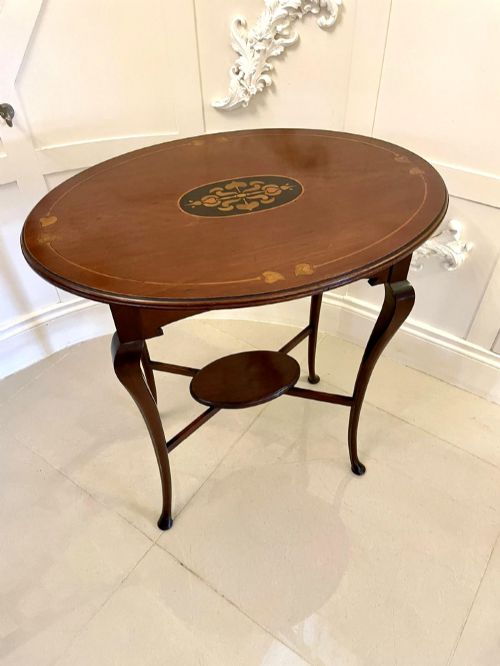


Display Table Furniture
Display table furniture encompasses etagères, whatnots and plant stands designed to showcase precious objects and hold lamps in elegant domestic spaces.
Display Table Furniture
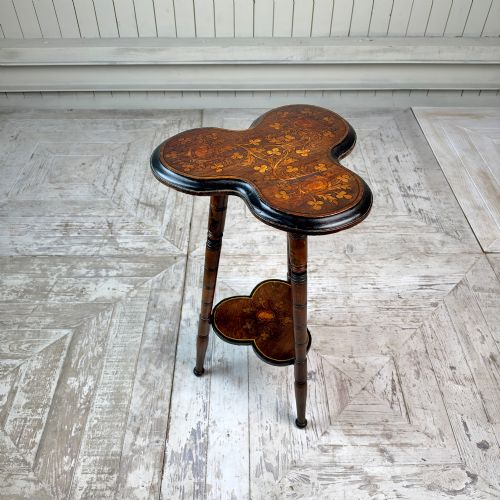
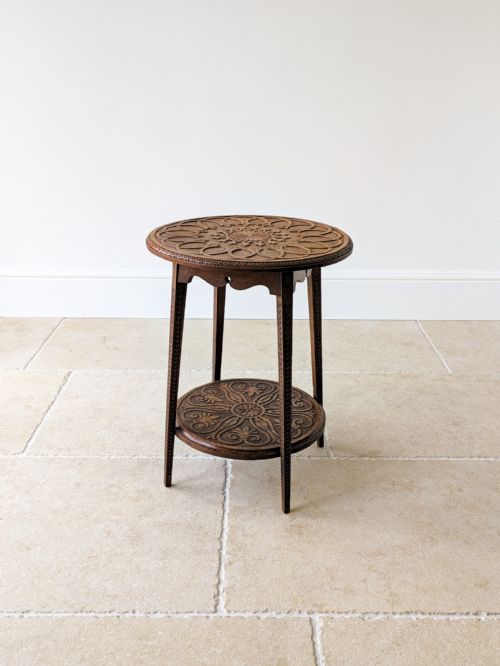
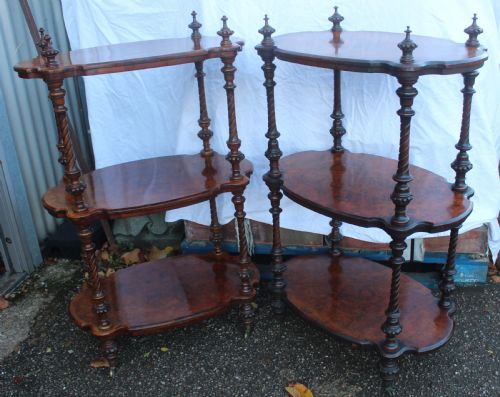
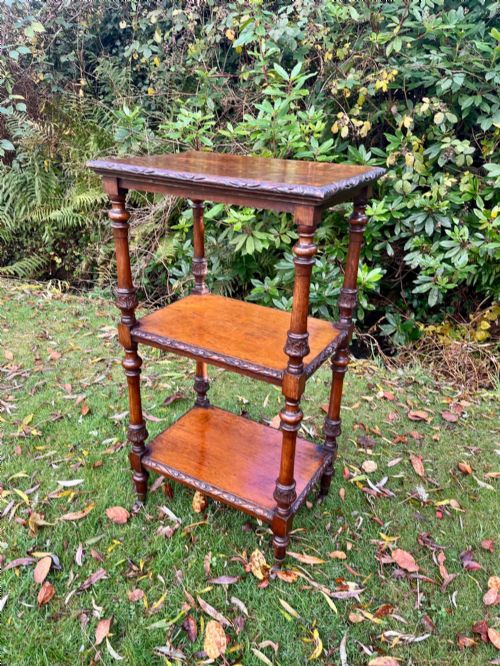
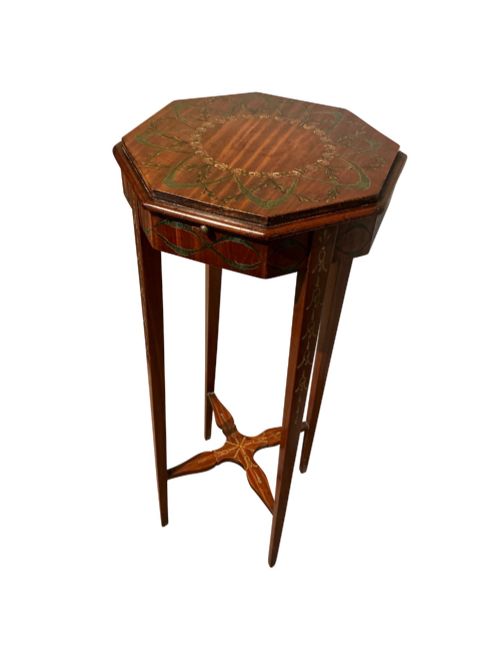
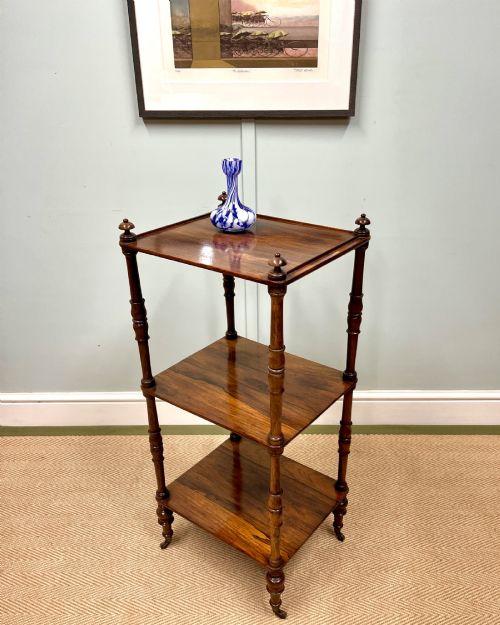
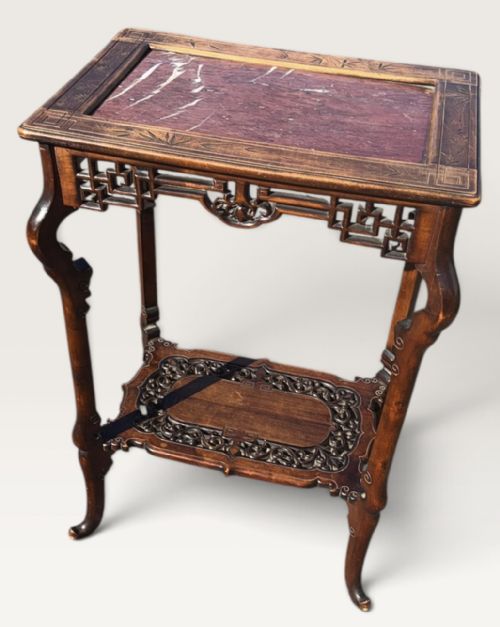
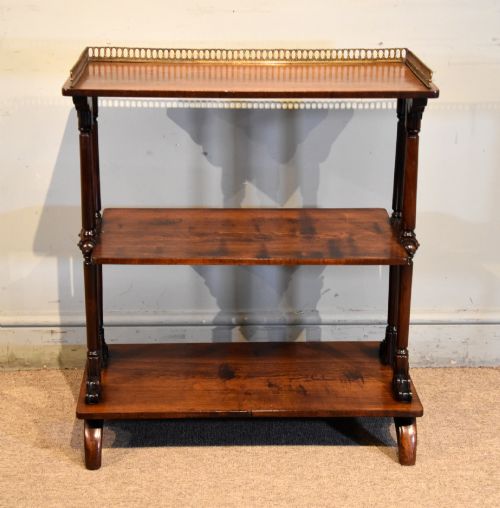
When you search for display table furniture, you encounter a variety of multi-tiered surfaces intended for presentation, from Victorian whatnots and etagères to Edwardian lamp tables and plant stands. These pieces range from Georgian mahogany corner stands to French-influenced marquetry etagères and Art Deco occasional tables. The selection heavily relies on multi-tiered wooden furniture designed to elevate objects of interest.
You are most likely to meet Edwardian and Victorian examples on this page, particularly mahogany, satinwood and walnut etagères or plant stands featuring lower shelves and galleries. Pieces span multiple periods including Georgian, Regency and the later Arts and Crafts and Art Deco movements. Forms include side tables, console tables, corner stands and tiered trolleys.
Materials and construction methods
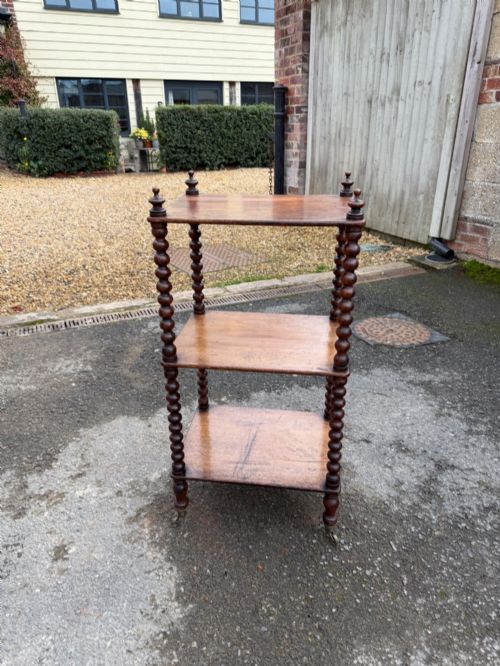
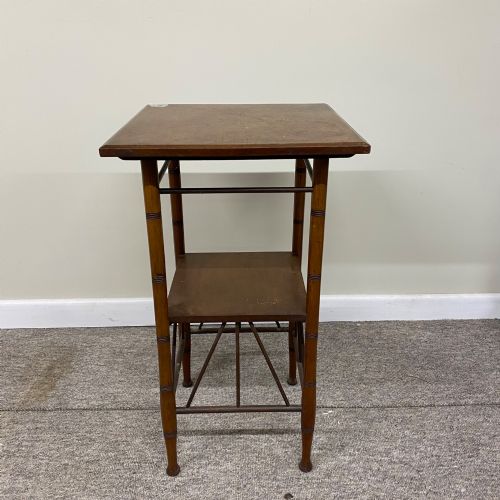
Construction techniques involve multi-tiered wooden platforms supported by turned legs, barley twist columns or bamboo frameworks. Marquetry, carving and raised galleries demonstrate the joinery skills applied across different stylistic periods from the Georgian era through to the twentieth century.
Display Table Furniture Retail Price Guide 2026
Typical asking prices for display table furniture among the pieces listed under this phrase on Sellingantiques today, from the lower quarter to the upper quarter. They describe what is for sale here now, not the wider market.
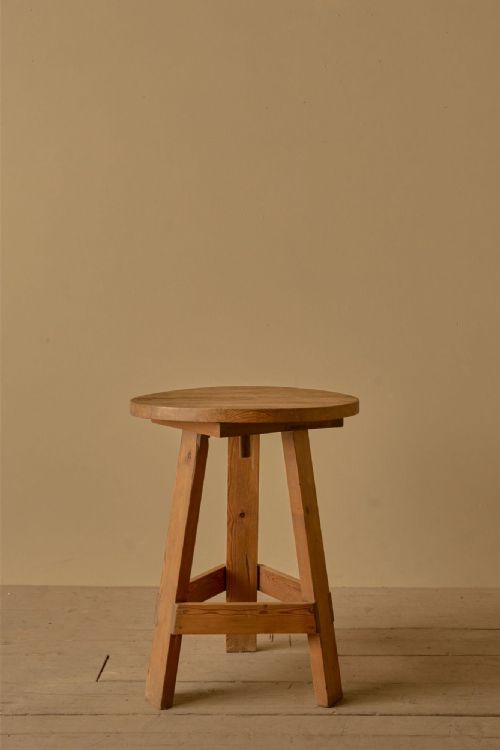
Sculptors occasionally utilised sturdy pine stands to hold heavy blocks of clay while modelling.
Distinctions in quality
Quality reveals itself in the selection of timber veneers and the crispness of inlay, such as satinwood stringing or intricate marquetry on walnut and mahogany surfaces. The integration of brass galleries and turned columns shows greater attention to detail in higher-grade pieces.
Design complexity and structural harmony separate standard items from exhibition examples, seen in multi-tiered etagères with balanced proportions and refined carving. The execution of specific stylistic revivals, from Sheraton Revival to Chinoiserie and Art Nouveau, dictates the refinement of the finished item.
Trevor Page And Co
The Display Table Furniture Glossary
- Etagere
- A piece of furniture consisting of a set of open shelves for displaying small objects or ornaments. These typically feature multiple tiers supported by slender columns.
- Whatnot
- An open set of shelves used for storing or displaying ornaments, books or other small items. They commonly appear with three or more tiers and sometimes incorporate a drawer.
- Gallery
- A low railing or raised edge bordering the top shelf or tier of a table or stand. This prevents items from sliding off the surface.
- Bijouterie
- A small glass-topped display table designed specifically for showcasing jewellery and small precious objects. They date prominently to the Victorian period.
- Jardiniere stand
- A tall table or pedestal intended to hold a plant pot or flower arrangement. These frequently appear in Edwardian and Arts and Crafts contexts utilising oak or mahogany.
Display Table Furniture: Frequently Asked Questions
What is an etagere used for?
An etagere serves primarily to display ornaments, porcelain and small decorative items across its multiple open shelves. The stepped tiers allow various objects to be seen clearly without cluttering the surface.
Historically placed in reception rooms and drawing rooms, these pieces combine decorative appeal with practical display space. Their multi-tiered design makes them suitable for contemporary interiors as lamp tables or corner display units.
How do I date a mahogany whatnot?
Dating a mahogany whatnot involves examining the timber grain, turning style and edge details. Earlier Georgian and Regency examples exhibit robust proportions and refined joinery, while Victorian versions often feature heavier turned columns or barley twist supports.
Later Edwardian and revival pieces frequently incorporate satinwood inlay or delicate galleries. Comparing the construction methods on the lower tiers helps clarify the period of manufacture.
Where should I place a plant stand?
Plant stands work best in corners, beside windows or near seating areas where they receive adequate light. Their tall, narrow profile allows them to fit into spaces unsuited to standard side tables.
These stands provide height variation in a room layout. They suit both traditional floral displays and modern sculptural greenery.
What distinguishes a lamp table?
A lamp table offers a compact surface specifically proportioned to hold a table lamp alongside small items. These tables often include a lower shelf for additional storage or display.
They appear frequently in Edwardian and Art Deco designs, utilising timbers such as mahogany or satinwood with inlaid details. Their modest footprint makes them adaptable for placement beside armchairs and sofas.