




Display Hand Sculpture
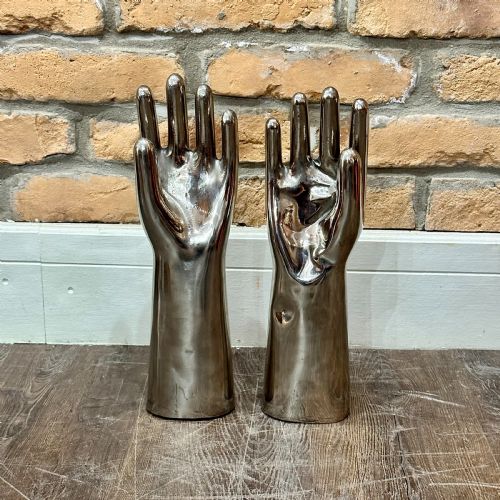
These display hand sculpture pieces offer striking sculptural forms carved from wood, soapstone, and metal to hold gloves or catch the eye.
Display Hand Sculpture
When you search for a display hand sculpture, you encounter carved and moulded objects originating from various periods such as the nineteenth century and the early twentieth century. These pieces appear in forms including industrial glove moulds and folk art milliner's heads, reflecting diverse historical functions.
The versions most commonly met on this page combine practical trades with decorative appeal, spanning materials like aluminium and painted timber. They serve as tactile sculptural objects that bring character and historical depth to modern interiors.
How they were made
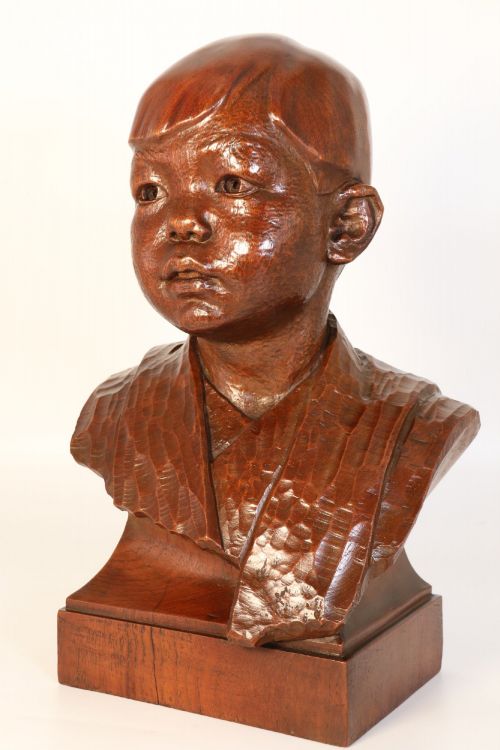
Carving remains a dominant technique across these items, utilising hardwoods, dark oak, walnut, and soapstone to achieve anatomical detail and textured surfaces. Artisans shaped these materials using traditional hand tools, leaving subtle tool marks that reveal the handmade nature of each piece.
Industrial manufacturing methods also shape the selection, notably through cast aluminium glove moulds designed for commercial use. Painted finishes and enamel are applied to wood and metal bases, adding colour and surface protection to the sculptural form.
Display Hand Sculpture Retail Price Guide 2026
Typical asking prices for display hand sculpture among the pieces listed under this phrase on Sellingantiques today, from the lower quarter to the upper quarter. They describe what is for sale here now, not the wider market.
Milliner's heads occasionally retain faint traces of twentieth-century face powder from decades of trying on vintage hats.
What varies in quality
The distinction between standard examples and superior ones lies in the precision of the carving and the preservation of original painted surfaces. Finer pieces demonstrate careful anatomical observation and confident tool work, whereas lesser examples present simpler forms with generalized shaping.
Material selection further defines the hierarchy, with dense hardwoods and well-cast metals commanding greater visual weight than softer timbers. The integrity of the original finish, whether unpolished wood or aged enamel, plays a central role in the overall character of the piece.
George Henry Paulin RBS·Volkstedt Porcelain
The Display Hand Sculpture Glossary
- Folk Art
- Objects created by self-taught or traditional artisans outside academic traditions. These pieces often prioritize functional utility and direct expression over strict classical proportions.
- Soapstone
- A talc-schist metamorphic rock known for its soft, soapy feel and ease of carving. It is frequently utilised for detailed Asian sculptural work.
- Glove Mould
- A metal or ceramic form used in the manufacture and display of gloves. Aluminium versions offer industrial durability and a clean silhouette.
Display Hand Sculpture: Frequently Asked Questions
What is a display hand sculpture used for?
These sculptures were originally created for commercial window displays, glove manufacturing, or millinery shops to showcase wearable accessories. Today, collectors utilise them as striking decorative objects on mantelpieces, bookshelves, or desks.
Their distinct silhouettes and tactile materials make them engaging focal points in contemporary interiors. They bring a sense of historical narrative and sculptural presence to any room.
How are different periods identified?
Periods are determined through a combination of material analysis, manufacturing techniques, and stylistic cues. Nineteenth-century pieces often display hand-carved patinas and traditional joinery, while early twentieth-century examples incorporate industrial metals like aluminium.
Examining tool marks and surface wear helps establish the age of wooden items. Comparing construction methods with known trade practices provides further chronological context.
How do I care for a display hand sculpture?
Wooden and painted pieces require protection from direct sunlight and excessive humidity to prevent warping or paint flaking. Gentle dusting with a dry microfibre cloth preserves the surface without introducing moisture.
Metal items benefit from occasional wiping with a soft cloth to remove dust. Avoiding chemical polishes ensures the original patina remains intact over time.