



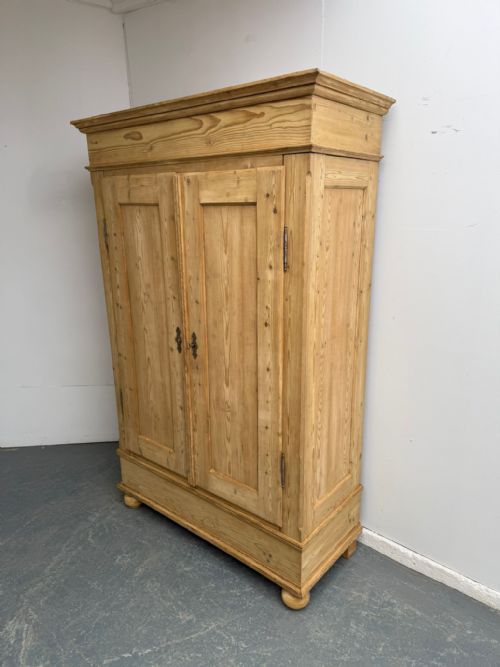


Dismantling Wardrobe
A dismantling wardrobe solves the enduring problem of moving heavy timber furniture through tight stairs and narrow doorways.
Dismantling Wardrobe
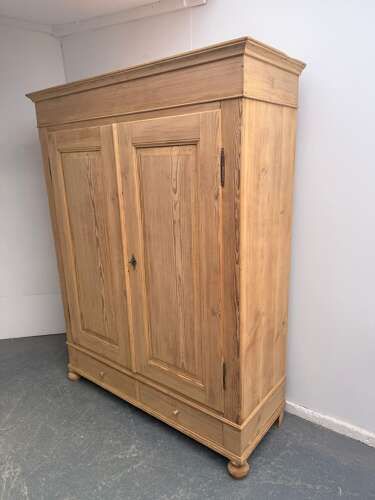
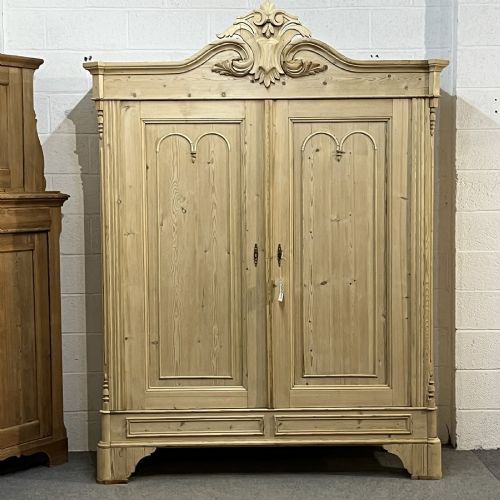
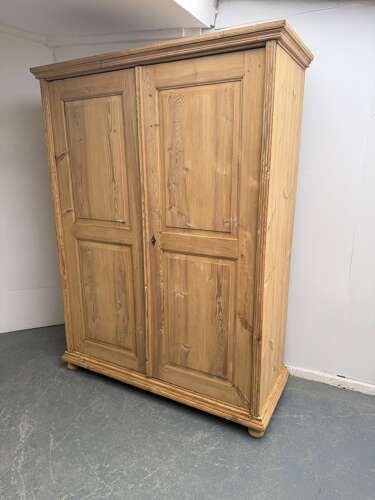
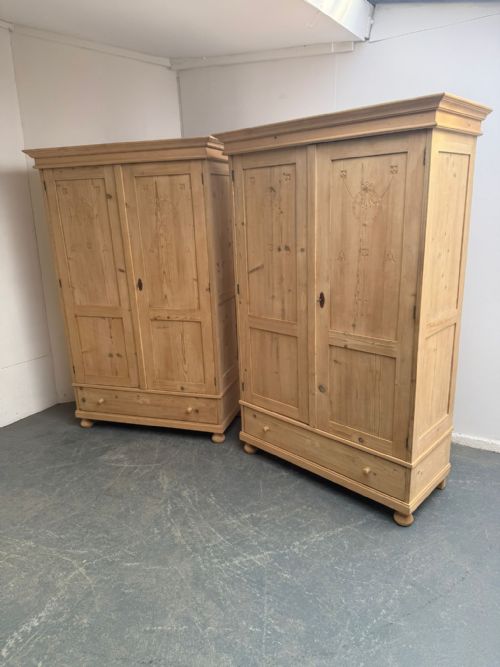
A dismantling wardrobe is a large storage piece engineered to take apart into panels, cornices, and bases for transport and reassembly. When people search for a dismantling wardrobe, they are looking for functional antique storage that fits modern domestic spaces without sacrificing traditional proportions. The examples seen here belong predominantly to the Victorian and Georgian periods, alongside pieces from 1910, 1920, and 1800.
The dominant material across these pieces is pine, often described as old pine or antique pine, though oak also appears in the record. Forms range from two-door cupboards and linen wardrobes to massive ladies wardrobes and bedroom units that dismantle or partially dismantle. Buyers encounter country vernacular pieces alongside columned designs and flat pack armoires.
Stylistic variations span Georgian Country and Victorian Country interpretations, French Provincial influences, and Arts and Crafts examples. Many of these items are finished to be waxed or painted, suiting interiors that favour stripped timber or bespoke painted surfaces. Internal configurations include hanging spaces and shelved interiors for linen.
Construction and materials
Pine and oak form the primary structural timbers, shaped into heavy doors, sides, and cornices designed to withstand repeated dismantling and reassembly. Iron and brass provide the metal hardware, hinges, and internal fittings necessary to secure the large panels together without permanent gluing.
Dismantling Wardrobe Retail Price Guide 2026
Typical asking prices for dismantling wardrobe among the pieces listed under this phrase on Sellingantiques today, from the lower quarter to the upper quarter. They describe what is for sale here now, not the wider market.
Some nineteenth-century makers numbered their knockdown panels with roman numerals scratched into the wood so exhausted servants could rebuild them without a manual.
Judging quality
Quality rests in the precision of the dismantling mechanism and the stability of the timber when reassembled. Pieces with robust, original peg or bolt systems hold their alignment far better than those compromised by makeshift repairs or stripped screw holes.
The grade of the pine or oak dictates the visual weight of the piece, with dense grain and minimal splitting separating superior examples from simpler utilitarian cupboards. Well-proportioned cornices and cleanly fitted doors indicate a higher standard of original carpentry.
The Dismantling Wardrobe Glossary
- Knockdown wardrobe
- A large piece of furniture designed to be taken apart into component pieces for transport and reassembly. This construction method allows bulky furniture to pass through narrow doorways.
- Armoire
- A tall wardrobe or cupboard, traditionally used for storing clothing. The term often describes Continental European pieces or formal British examples.
- Cornice
- The ornamental moulding running round the top of a wardrobe structure. It usually lifts off independently during the dismantling process.
- Linen wardrobe
- A specialised storage cupboard fitted internally with shelves rather than hanging space. These pieces were historically designated for folded textiles and bedding.
- Arts and Crafts
- A design movement valuing handcraft and honest material expression. Pieces from this era emphasise simpler lines and construction honesty.
Dismantling Wardrobe: Frequently Asked Questions
How do dismantling wardrobes work?
These wardrobes use modular construction where the top, base, sides, and doors separate into individual flat panels. They are held together by internal wooden pegs, metal bolts, or slot-in joints rather than permanent glue.
This engineering allows owners to move massive bedroom furniture up tight stairwells and through small doors. Reassembly simply requires fitting the panels back into their designated slots and securing the fixings.
Are they difficult to put together?
Most pieces require two people for assembly due to the weight of the solid pine or oak panels. Basic competence with a screwdriver or spanner is usually enough to manage the fixings.
Many historic examples are marked with matching numbers or symbols on the joints to guide the correct placement of each panel. Taking your time ensures the wardrobe squares up properly before loading the interior.
What is the difference between pine and oak versions?
Pine examples tend to be lighter in colour and grain, frequently found in country and Victorian domestic pieces. They were often built to be painted or waxed depending on interior tastes.
Oak versions offer a darker, denser finish with prominent grain patterns, typically associated with earlier periods like 1800. Oak provides greater structural rigidity but significantly increases the overall weight of the individual panels.
Can I use them for modern clothes hangers?
Many older wardrobes were designed for folded linen or short garments, meaning the internal hanging depth can be shallower than modern standards. Some pieces retain original shelving rather than hanging rails.
Buyers often adapt the interiors by installing contemporary wooden rails to suit modern clothing lengths. It is worth checking the internal depth of the specific unit before planning your storage.