
Diamond Target Halo Ring
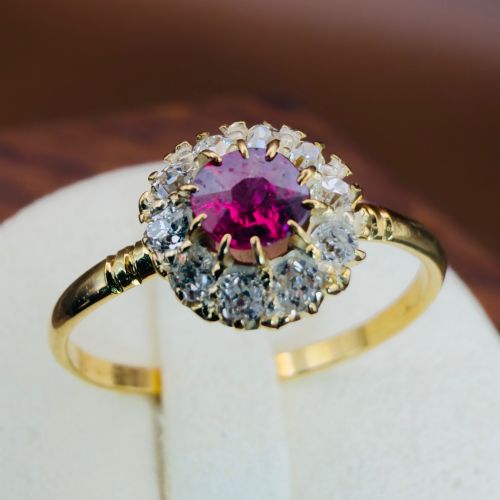
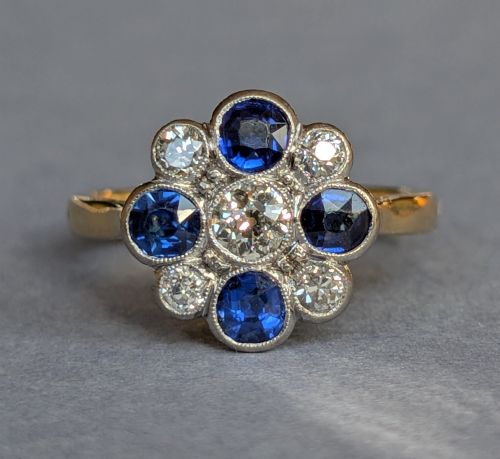
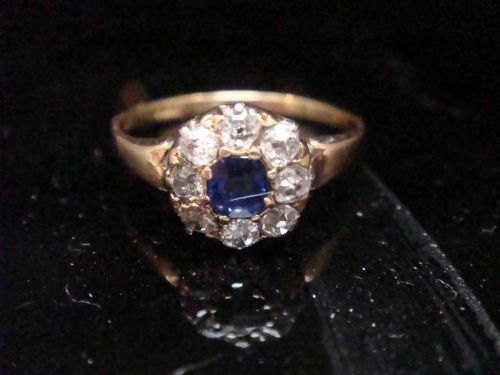
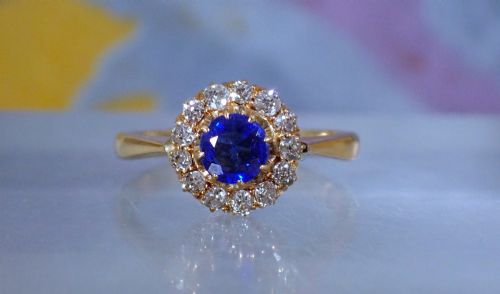
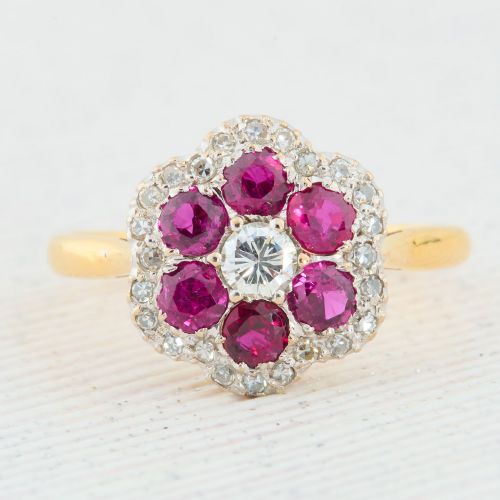
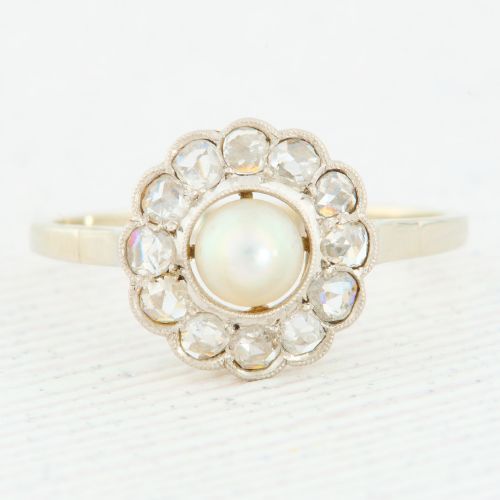
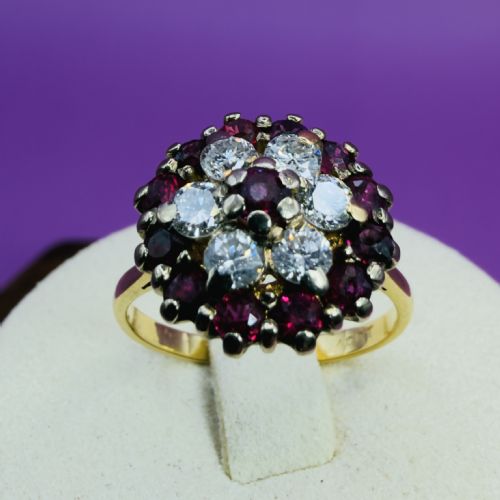
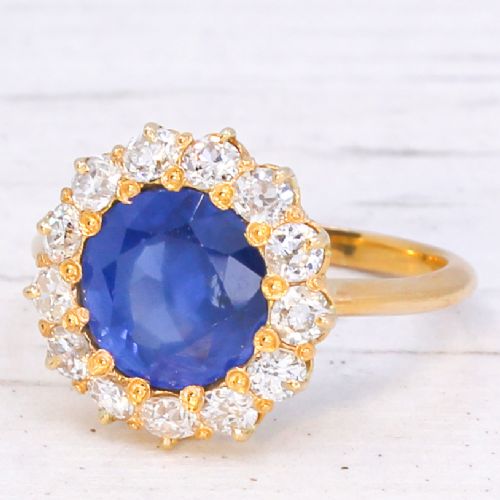
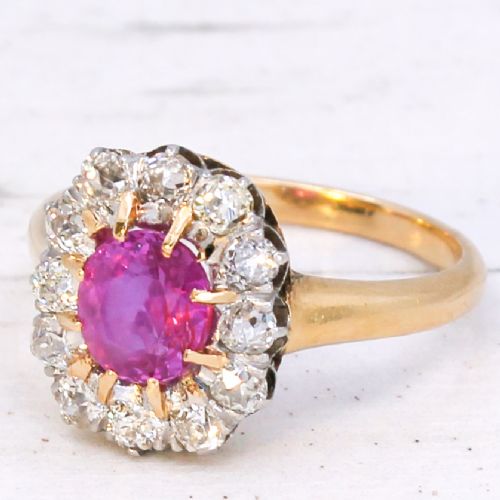
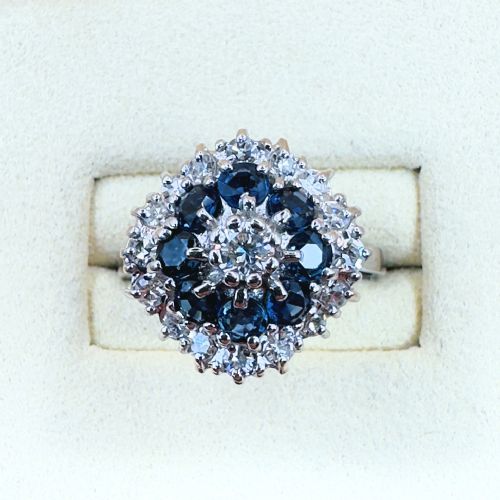
A diamond target halo ring concentrates the eye on a central gemstone encircled by concentric tiers of smaller diamonds, creating a precise geometric focal point.
Diamond Target Halo Ring
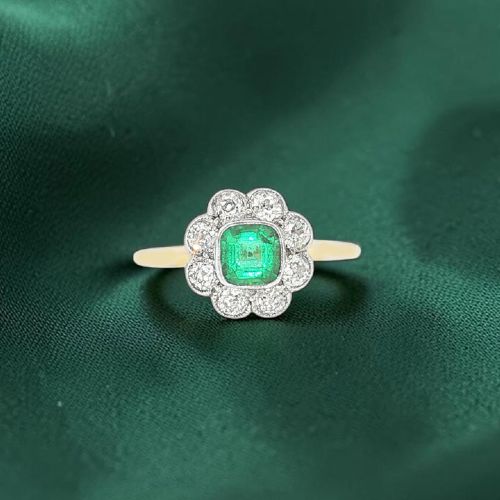
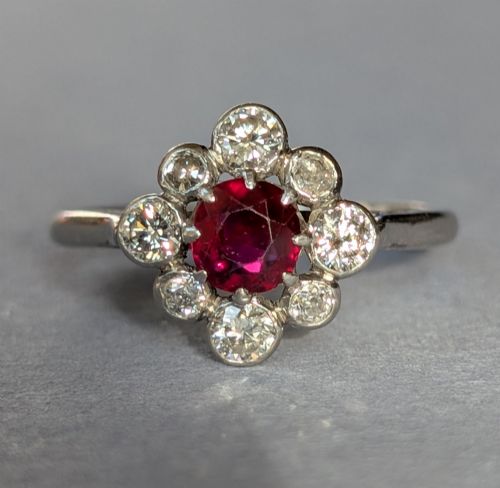
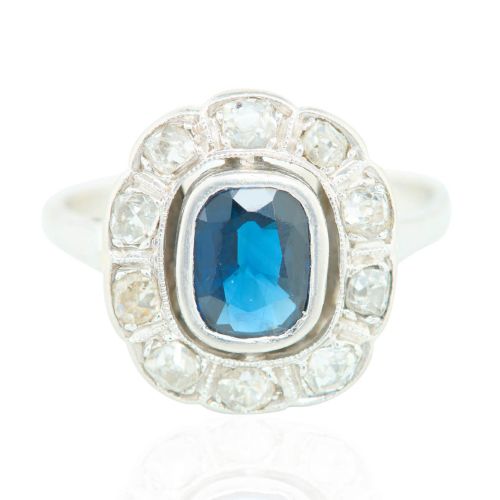
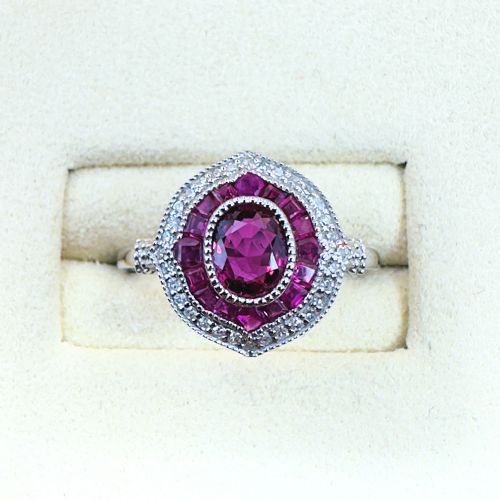
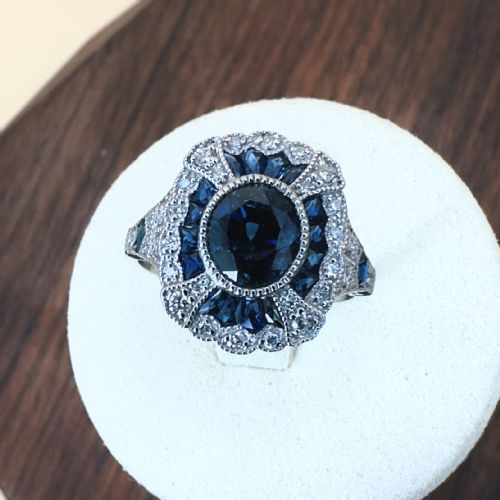
A diamond target halo ring uses concentric rings of contrasting gemstones or smaller diamonds to frame a central stone like a sapphire, ruby, or emerald. This concentric arrangement creates the distinct optical effect of a bullseye or target, particularly prominent in pieces from the Art Deco period.
The selections available span from the delicate floral clusters of the Edwardian era through the sharp geometry of the 1920s and 1930s to the bolder mid-century interpretations. Rings commonly feature a central round or oval gem set in platinum or 18ct gold, surrounded by step-cut or brilliant-cut stones.
Makers utilised contrasting colour palettes, pairing deep blue sapphires or vibrant rubies with bright white diamonds to emphasise the distinct tiers of the halo. These cluster and dress ring forms served as signature evening wear jewellery throughout the early and mid-twentieth century.
Materials and construction methods
Goldsmiths worked extensively in platinum and 18ct yellow or white gold to construct the complex multi-tiered settings required for a diamond target halo ring. Platinum gained favour during the Edwardian and Art Deco periods for its strength, allowing fine, secure claw and bezel settings that held multiple small stones close together.
Gemstones in these rings frequently feature old-cut diamonds alongside calibré-cut sapphires, rubies, or emeralds shaped specifically to fit the tight geometric borders of the target motif. The integration of millegrain edging on platinum or white gold added a textured, light-catching border to the outer tiers.
Target rings demand such strict symmetry that a single slightly misaligned outer sapphire can turn a formal geometric bullseye into an eccentric abstract swirl.
Evaluating design execution and stone selection
Quality rests upon the precision of the geometric layout and how tightly the concentric tiers fit around the central stone. Superior examples display exact symmetry in the calibré-cut outer borders and seamless matching of colour and cut across the surrounding diamonds.
The integrity of the underlying metalwork also distinguishes finer pieces, particularly where delicate millegrain work and platinum settings remain crisp and unaltered by wear or later resizing. Natural, unheated origin stones and original old-cut diamonds preserved in their settings elevate the overall character of the piece.
The Diamond Target Halo Ring Glossary
- Calibré cut
- Gemstones specifically shaped and cut into small, uniform geometric forms to fit tightly together within a designated channel or border. This technique defined the sharp lines of Art Deco jewellery.
- Millegrain
- A decorative technique featuring a row of tiny, raised metal beads along the edges of a setting. It softens the transition between metal and stone while adding texture.
- Old cut
- A diamond facet style hand-cut before modern brilliant proportions were standardised in the early twentieth century. These stones typically feature smaller tables and larger culets that catch candlelight effectively.
- Target ring
- A ring design featuring concentric circles of stones surrounding a central point, resembling a bullseye. The style reached peak popularity during the 1920s and 1930s.
- Cluster ring
- A jewellery configuration where multiple smaller stones are grouped tightly around a central focal gemstone. This layout maximises visual presence and sparkle.
Diamond Target Halo Ring: Frequently Asked Questions
How do I date an antique halo ring?
Dating relies on examining the combination of materials, gemstone cuts, and structural framing techniques used in the setting. Edwardian pieces often incorporate softer floral motifs with millegrain platinum, whereas 1920s and 1930s examples favour sharp lines and calibré-cut coloured stones.
Looking closely at the cut of the diamonds also helps determine the era. Old-cut diamonds typically indicate Edwardian or early twentieth-century origins, while mid-century pieces often display more standardised brilliant cuts.
Can I wear a target ring daily?
Wearing an antique target ring daily is possible with mindful care, particularly given the delicate nature of multi-tiered stone settings. Platinum and 18ct gold provide durable foundations, but the numerous small claw or bezel settings require regular inspection by a jeweller to ensure stones remain secure.
Removing the ring during manual tasks or heavy lifting prevents unnecessary wear on the outer halo and protects the calibré-cut stones from accidental impact.
What stones are used in these rings?
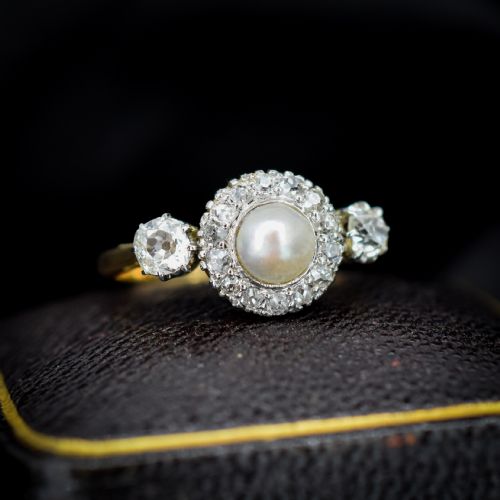
Diamonds form the primary framing element, usually paired with a central coloured gemstone such as sapphire, ruby, emerald, or pearl. Sapphires and rubies appear frequently in unheated varieties originating from regions like Burma or Ceylon.
The contrast between white diamonds and saturated primary colours defines the visual impact of the design. Platinum and 18ct yellow or white gold serve as the primary precious metals holding these stones.