



Diamond Set Pin
A diamond set pin offers enduring sparkle and intricate detail, bringing refined period craftsmanship straight to a modern lapel.
Diamond Set Pin
A diamond set pin encompasses a diverse array of antique and vintage jewellery, ranging from delicate stick pins to substantial floral and figural brooches. When exploring this selection, buyers encounter everything from early nineteenth-century rose cut examples to sleek geometric designs of the twentieth century.
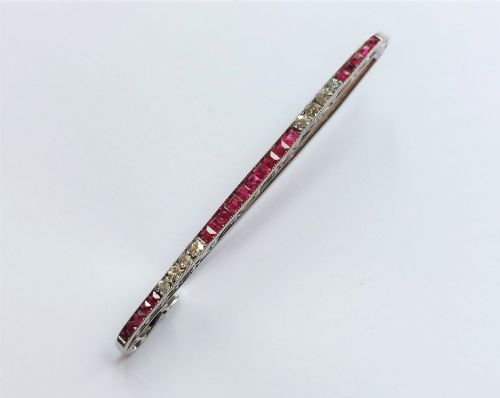
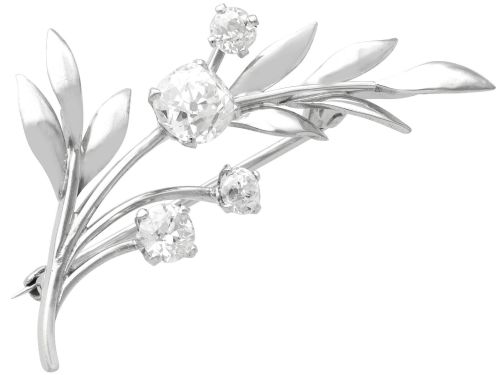
The most frequent forms found here are bar brooches and thematic pieces shaped as insects, animals, or floral sprays. These items originate across multiple eras, with Victorian and Edwardian iterations appearing alongside Art Deco and later twentieth-century creations.
Makers utilised various mounting styles, incorporating central gemstones into intricate silver or gold frameworks designed to catch the light. Each diamond set pin serves as a tangible link to past aesthetic movements, valued for both its decorative charm and historical resonance.
What varies in quality
Quality in a diamond set pin is determined by the crispness of the metalwork, the symmetry of the stone arrangement, and the integrity of the original settings. Superior examples display harmonious proportions where the mounting complements rather than overpowers the central gems.
The selection of secondary stones, such as calibrated rubies or carved onyx, also dictates the calibre of the piece. Enhanced artistry appears in figural or botanical subjects that capture natural movement and texture with precision.
Diamond Set Pin Retail Price Guide 2026
Typical asking prices for diamond set pin among the pieces listed under this phrase on Sellingantiques today, from the lower quarter to the upper quarter. They describe what is for sale here now, not the wider market.
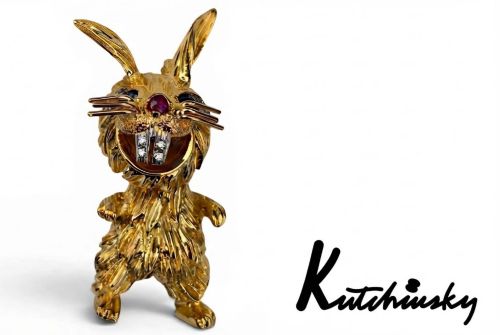
A charmingly startled monkey occasionally peers out from the collection, reminding us that antique jewellers possessed a delightful sense of humour.
Kutchinsky
The Diamond Set Pin Glossary
- Old cut diamond
- A hand-faceted diamond shape typical of older jewellery, featuring a small table and high crown designed under candlelight. These stones possess a softer, deeper glow compared to modern brilliant cuts.
- Bar brooch
- A narrow horizontal pin featuring gemstones or decorative motifs arranged along a linear metal shaft. This form gained immense popularity during the Victorian and Edwardian eras.
- Stick pin
- A long pin topped with a decorative head, originally designed to secure neckties or lapels in place. They often feature miniature diamond or multi-gem settings.
- Rose cut
- An antique diamond cut featuring a flat base and a domed crown with triangular facets arranged in a star-like pattern. It imparts a subtle, understated shimmer.
- Platinum
- A dense, strong, and naturally white precious metal utilised in fine jewellery manufacture, particularly during the Edwardian and Art Deco periods for secure stone settings.
Diamond Set Pin: Frequently Asked Questions
How do I wear a diamond set pin today?
These pieces fasten securely to lapels, scarves, velvet bands, or structured knitwear to add a distinct focal point to daily attire.
Heavier brooches require sturdy fabrics to prevent sagging, while lighter stick pins suit delicate silks and lapel buttonholes.
What is the difference between Victorian and Art Deco pins?
Victorian designs lean towards naturalistic motifs like flowers, insects, and star bursts, often utilising yellow gold and silver-topped settings.
Art Deco pieces favour geometric precision, stylised symmetry, and platinum or white gold mountings accented by contrasting coloured gemstones.
How do I care for antique gemstone jewellery?
Clean these items gently using a soft brush with warm soapy water, avoiding harsh ultrasonic cleaners that might dislodge old stones.
Store each piece individually in a lined box to prevent metal scratches and protect delicate settings from pressure.
Are these pins made with natural diamonds?
Pieces from these historical periods feature genuine natural diamonds cut by hand before the advent of modern commercial machinery.
Their facets reflect the technological limitations and aesthetic preferences of their respective centuries rather than automated symmetry.