



Diamond Set Pendant
A diamond set pendant brings together precious stones and enduring metals to sit at the collarbone, offering elegance for everyday wear and formal occasions alike.
Diamond Set Pendant
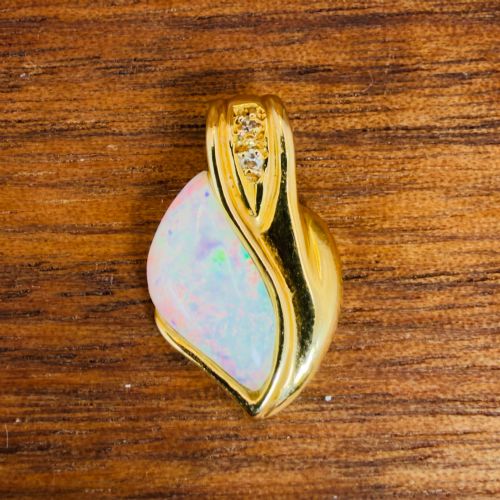
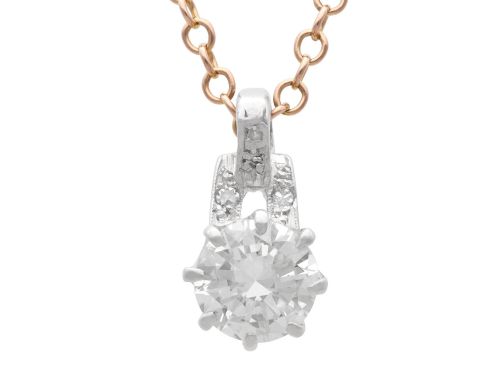
A diamond set pendant is a focal piece of jewellery suspended from a chain, designed to draw the eye with brilliant stones. When exploring this selection, buyers frequently encounter pieces originating from the Victorian era, Edwardian period, and mid-twentieth century decades such as the 1930s, 1950s, and 1960s.
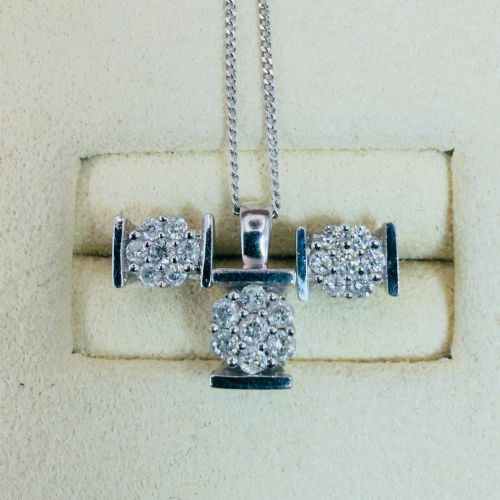
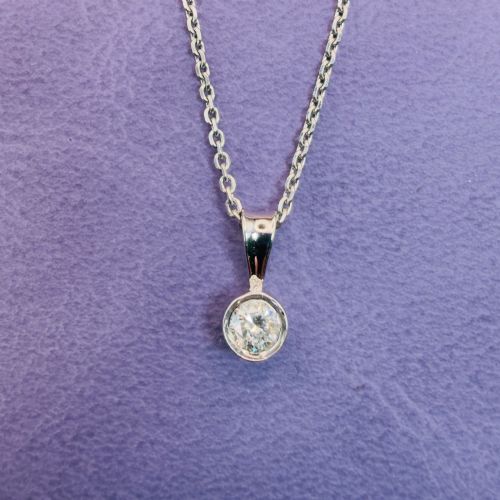
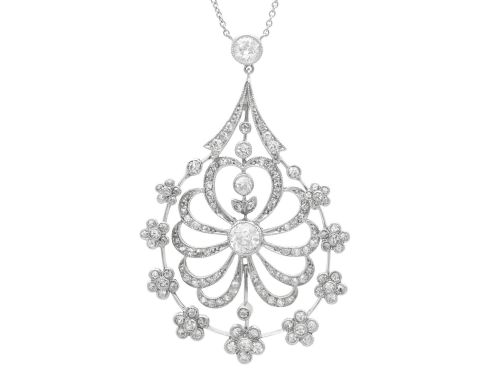
The forms vary from simple solitaire drops in white gold to complex cluster settings and convertible brooches that double as pendants. Platinum and gold, both yellow and white, serve as the primary foundations for these hanging ornaments, often paired with emeralds or sapphires alongside the central diamonds.
Materials and construction
The creation of these pieces relies on precious metals such as platinum, silver, and various karats of gold, including 9ct, 14ct, and 18ct, shaped into bezels, prongs, and intricate wirework. Platinum provides a strong, bright setting favoured in Edwardian and Art Deco designs, holding stones securely with minimal visible metal.
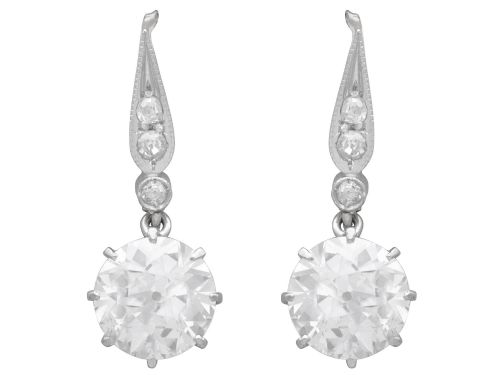
Diamonds are integrated using techniques suited to their cut, from older Old Cut stones in early twentieth-century mounts to brilliant cuts in mid-century items. Additional gemstones like emeralds and sapphires are occasionally flush or bezel set alongside the diamonds to add colour contrast.
Diamond Set Pendant Retail Price Guide 2026
Typical asking prices for diamond set pendant among the pieces listed under this phrase on Sellingantiques today, from the lower quarter to the upper quarter. They describe what is for sale here now, not the wider market.
Listings feature periods spanning the Victorian era through the 1960s, utilising platinum, silver, and gold alongside diamonds and emeralds.
Assessing quality and craftsmanship
Quality rests in the precision of the metalwork and the integration of the stones into the overall design, whether in a delicate solitaire or a larger multi-stone cluster. Superior pieces demonstrate careful hand-finishing in the gallery and secure setting of every diamond.
The choice of heavier mounting materials, such as platinum or solid 18ct gold, distinguishes sturdier constructions from lighter 9ct alternatives. Finer items maintain proportional balance between the chain or bale and the pendant body, ensuring the piece hangs correctly when worn.
The Diamond Set Pendant Glossary
- Solitaire pendant
- A single diamond mounted as the sole focal point of the necklace. This minimalist setting places the emphasis entirely on the quality and cut of one stone.
- Cluster setting
- An arrangement where smaller diamonds surround a central stone or form a dense geometric pattern. This technique maximises visual impact and sparkle.
- Old cut
- A diamond cutting style prevalent in earlier periods, characterised by a high crown, small table, and deep pavilion. These cuts produce a softer, candlelight shimmer compared to modern brilliant cuts.
- Convertible brooch
- A versatile piece designed with a hidden loop or pin mechanism so it functions as either a chest brooch or a neck pendant. This dual purpose was particularly popular in Victorian and Edwardian workshops.
- Bale
- The ring or loop attached to the top of a pendant through which the chain passes. Its construction quality ensures the pendant remains balanced during wear.
Diamond Set Pendant: Frequently Asked Questions
What is a diamond set pendant?
A diamond set pendant is a decorative item of jewellery designed to hang from a chain around the neck, featuring one or more diamonds mounted in precious metal. These pieces range from simple single-stone drops to intricate multi-gem clusters.
They serve as personal adornments that can be worn daily or reserved for special events, depending on their size and complexity.
How do I care for my pendant?
Caring for a diamond set pendant involves gentle cleaning with warm soapy water and a soft brush to remove oils and dust from beneath the settings. Store the piece individually in a lined box to prevent the metal and stones from scratching other items.
Regular checks by a jeweller will ensure the claws and bezels holding the diamonds remain secure over time.
Can I change the chain?
Most pendants can be worn on alternative chains provided the bale is large enough to accommodate the new thickness. Matching the metal colour, such as white gold with white gold or platinum with platinum, helps maintain a cohesive appearance.
Heavier antique pieces generally require sturdier chains to support their weight safely during wear.
How do I identify the period?
Identifying the period relies on examining the mounting style, metal choices, and the specific cuts of the diamonds used within the design. Edwardian pieces often feature delicate platinum work, while mid-century items frequently utilise 9ct white gold in geometric or classic solitaire forms.
Hallmarks stamped on the metal can also provide official clues to the date and place of manufacture.